Archives

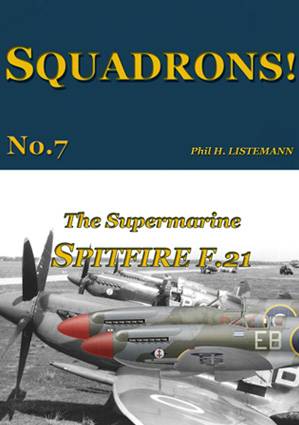
SQUADRONS! No.07: The Supermarine Spitfire F.21

S-07-PAGE

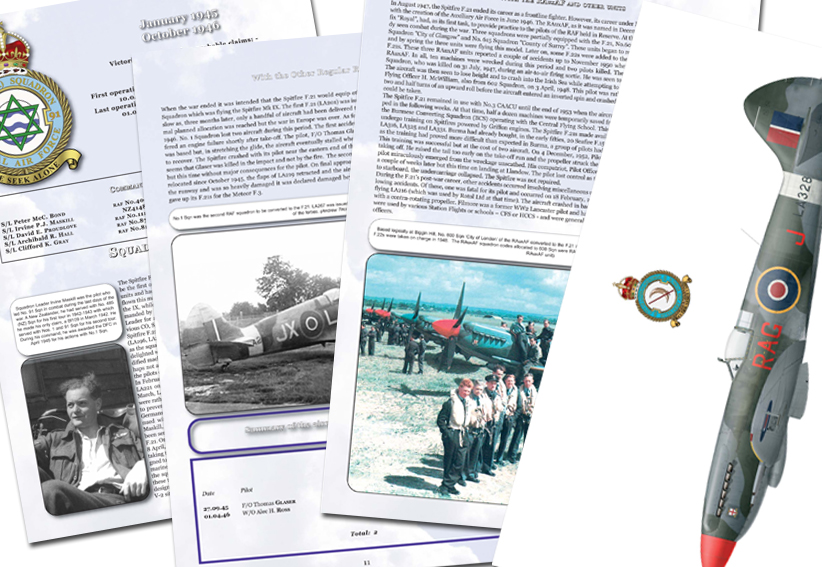
The Spitfire F.21 was the last Spitfire mark to be introduced into service before the end of WW2. It belongs to what we usually call the third generation of the Spitfire, and the F.21 was the first, preceding the F.22 and F.24; however, the F.21 is generally seen as being an interim mark only. This study of 28 pages, 29 photos and 5 colour profiles, gives the details of the career of the F.21, during and after the war.

REVISED February 2019, March 2021

Profiles:

LA200/DL-E – 91 Sqn

LA301/JX-S – 1 Sqn

LA283/EB-? – 41 Sqn

LA328/RAG-J – 600 Sqn

LA253/WAG – Colitishall Wing

A paperback copy is available with ISBN: 978-2918590-46-0

********************

HOW TO ORDER:

Send your mailing address  with your phone number in using ‘contact’ button and we will respond with a Paypal request with the following amount:

EU, UK and USA: 13.00 Euros postage included

Rest of the World: 15.50 Euros postage included

Multiple purchases with combined postage possible.

********************

PDF version is available with ISBN: 978-2918590-40-8

(new PDF uploaded August 2023)

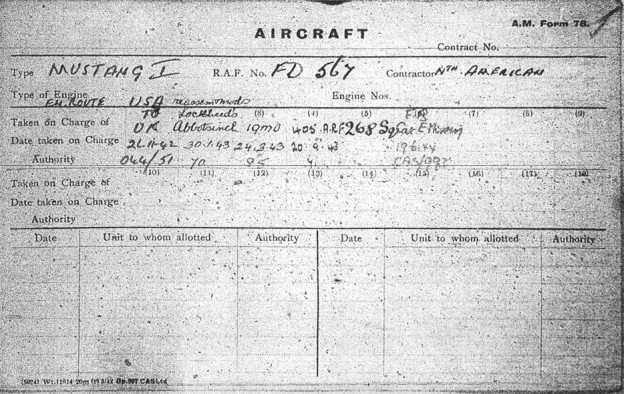
September 2014: 92 Movement Cards – Mustang IA, Lend-Lease batch

AMF78 (RAF Movement cards) on pdf of

92 Mustang IAs from batch FD418 – FD567

Originally ordered via Lend-Lease on 10 April 1941, only 92 of 150 aircraft were actually delivered between September 1942 and January 1943. The balance was diverted to USAAF when the USA entered unto war.

Delivered to the British:

FD438-FD449, FD470-509, FD528-FD567

in all 92 pages

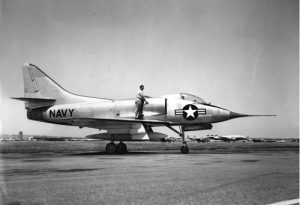
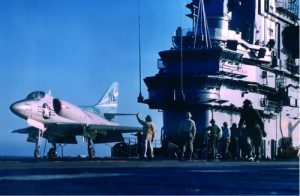
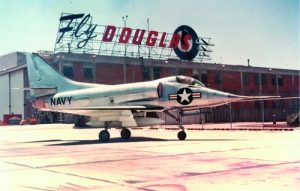
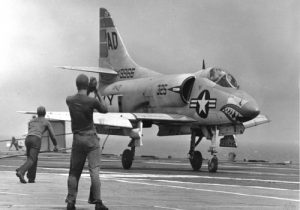
August 2014: Douglas A4D-1 & A-4A Skyhawk – 19 photos

Each photograph is offered at a 300dpi res/13x8cm size making them available for a very good quality digital print, but also for Iphone/IPad, smartphone or computer screen (but should convert the image into a jpeg format for doing so)
 

More details about this aircraft can be found in the publication USN Aircraft 1922-1962 Volume 2 for the paperback version, but the e-books are available in this site.


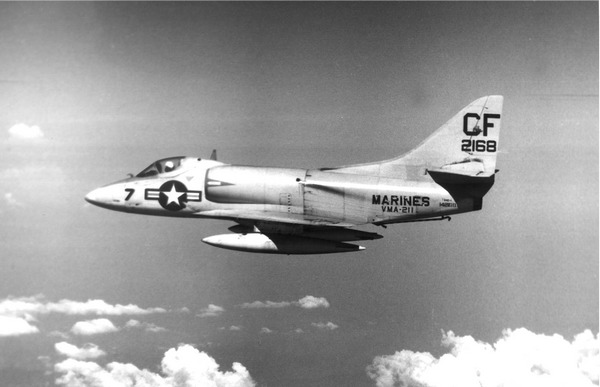
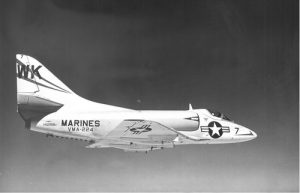
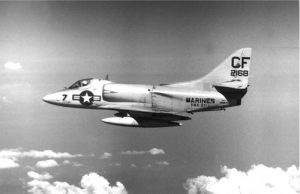
Photo Skyhawk A-4A – 01: The USMC was quick to introduce the Slyhawk into its inventory. VMA-224 was one of the first to do so in late 1956. This Skyhawk, 142168 was issued in March 1957 and later passed on to VMA-211.

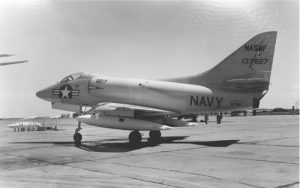
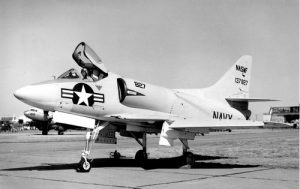
Photo Skyhawk A-4A – 02: Skyhawk YA4D-1 137827 of the first bacth built and maily used as test aircraft. This Skyhawk is seen here while assigned to the NASWF.

Photo Skyhawk A-4A – 03: Skyhawk YA4D-1 137827 of the first bacth built and maily used as test aircraft. This Skyhawk is seen here while assigned to the NASWF.

Photo Skyhawk A-4A – 04: Skyhawk A4D-1 142168, seen here flying while serving with VMA-211. It was previously used by VM-224 (see photo 01).

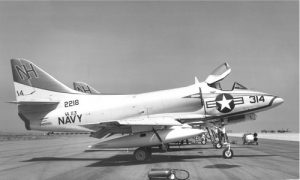
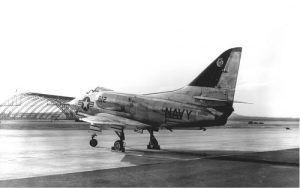
PhotoSkyhawk A-4A – 05: Skyhawk A4D-1 142218 of VA-113 assigned to the Pacific Fleet. This Skyhawk became an A-4A in September 1962 and was lost in an accident in October 1967.

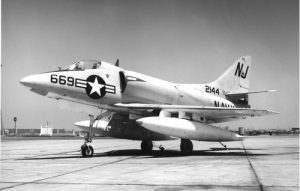
Photo Skyhawk A-4A – 06: Skyhawk A4D-1 142144 of VA-125. This squadron used the A4D-1 a few months only in 1958 before swithching to the dash 2.

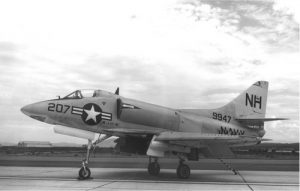
Photo Skyhawk A-4A – 07: VA-112 based at NAS Miramar, operated the A4D-1 Skyhawk a couple of months in 1959-1960 including 139947. It was later issued to VA-126 also based at NAS Miramar.

Photo Skyhawk A-4A – 08: Skyhawk A4D-1 142176 of VA-83 before to be passed on to VA-44 with which it will be lost in an accident in February 1959.

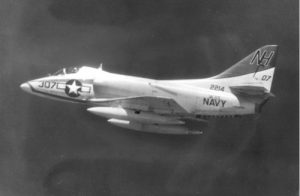
Photo Skyhawk A-4A – 09: Skyhawk A4D-1 142214 of VA-113 seen in flight before being lost in an accident in November 1957. Accepted by the Navy in May 1957, It had flown 170 hours only.

Photo Skyhawk A-4A – 10: Skyhawk A4D-1 142145 of VA-43. This squadron was part of the Replacement Air Group Atlantic (RAG Atlantic) which was providing the final pilot training prior to Atlantic Fleet assigment.

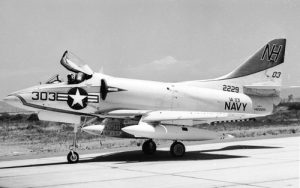
Photo Skyhawk A-4A – 11: Another A4D-1 of VA-113, 142229, one of the last accepted by the USN during the summer 1957. It is one of the 84 surviving A4D-1s to receive the denomination A-4A in September 1962.

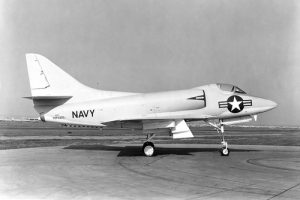
Photo Skyhawk A-4A – 12: The prototype XA4D-1 seen on the ground.

Photo Skyhawk A-4A – 13:  Skyhawk A4D-1 137829 seen before the acceptance by the Navy. It was used as a test aircraft and was withdrawn from use in April 1963.

Photo Skyhawk A-4A – 14: The prototype XA4D-1 on the ground at El Segundo.

Photo Skyhawk A-4A – 15: Skyhawk A4D-1 142169 from VA-113 ready to be launched from USS Hancock in the late fifties.

Photo Skyhawk A-4A – 16: The first Skyhawk rolling out from Douglas facilities.

Photo Skyhawk A-4A – 17:  Shyhawk A4D-1 139966 of VA-43 on the deck of USS Antietam. This Skyhawk was redominated A-4A in 1962 but was lost soon after in February 1963.

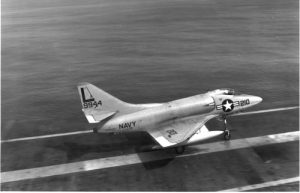
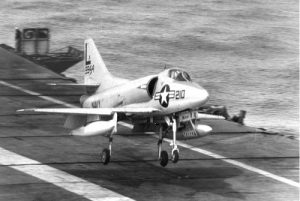
Photo Skyhawk A-4A – 18: Skyhawk A4D-1 139944 while conducting carrier suitability testing with VA-72. This Skyhawk was lost in an accident in December 59 with VA-44.

Photo Skyhawk A-4A – 19: The same Skyhawk (photo 18), a few seconds before the deck landing.

July 2014: Supermarine Spitfire F. 24 – 19 photos


Each photograph is offered at a 300dpi res/13x8cm size making them available for a very good quality digital print, but also for Iphone/IPad, smartphone or computer screen (but should convert the image into a jpeg format for doing so)

This photo album is extracted from the publication Allied Wings 18The Supermarine Spitfire F.24. (click the link)

pdf, Epub and Kindle versions are available in this site: 978-2918590-33-0


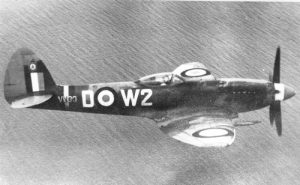
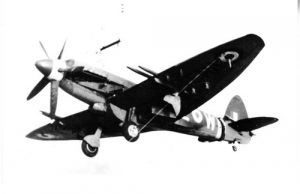
Photo Spitfire 24 – 01: Spitfire F. 24 VN309/W2-D taken in flight off Hong Kong.


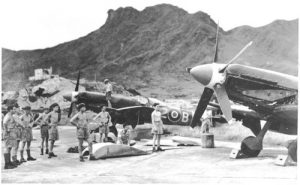
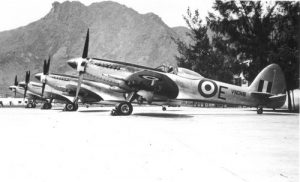
Photo Spitfire 24 – 02: No. 80 Squadrons’s Spitfire F. 24s at Kai Tak airfield with the mountainous terrain around the colony. This photo was taken in November 1949. W2-B is still using the pre-1947 roundels.


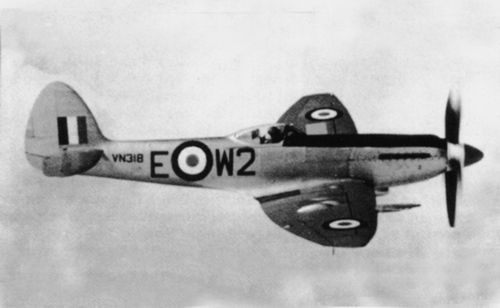
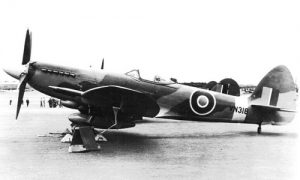
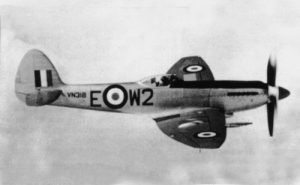
Photo Spitfire 24 – 03: Spitfire F. 24 VN318 was issued to 80 Sqn and shipped out to the Far East. It was later handed over to the HKAAF in 1952.


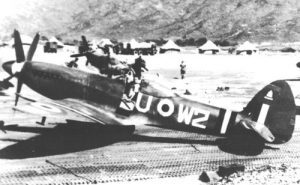
Photo Spitfire 24 – 04: An unidentified Spitfire F. 24 seen at Set kong. Only the two letters of the serial (PK) are visible, the rest being overpainted by what it is sometime called, the ‘Korean bands’.


Photo Spitfire 24 – 05: Spitfire F. 24 VN318 was among the aircraft which were used by 80 Sqn in the Far East.


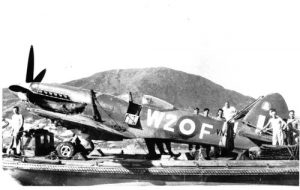
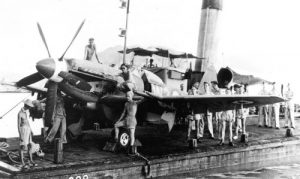
Photo Spitfire 24 – 06: Upon arrival in Hong Kong harbour, No. 80 Sqn Spitfires F.24s were craned from the carrier HMS Ocean on to a lighter transfer ahsore.


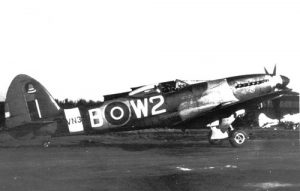
Photo Spitfire 24 – 07: Spitrfire F. 24 VN314/W2-W being disembarked from HMS Ocean.


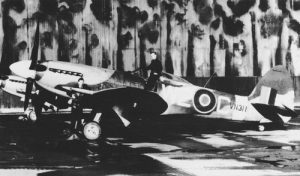
Photo Spitfire 24 – 08: Spitfire F. 24 VN311 seen at Lübeck in Germany in 1948.


Photo Spitfire 24 – 09: Spitfire F. 24 VN311/W2-C seen at Lübeck (Germany) in 1948.


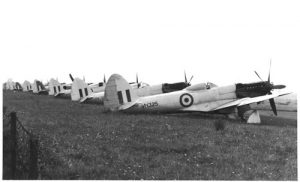
Photo Spitfire 24 – 10: View of a line-up of Spitfire F. 24s at Cosford waiting for their final fate – be scrapped!


Photo Spitfire 24 – 11: Spitfire F. 24 VN318 seen while being on display in England, just before being issued to No. 80 Sqn in February 1948.


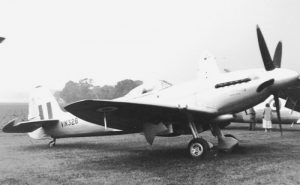
Photo Spitfire 24 – 12:  Spitfire F. 24 VN328 in June 1953 at Hatfield. VN325 was never issued to any unit.


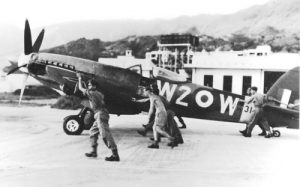
Photo Spitfire 24 – 13: Some of the eight Spitfire F. 24s of the RHKAAF. They remained in service until 1955.


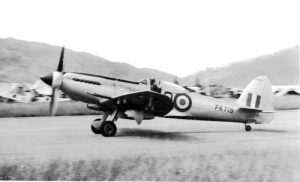
Photo Spitfire 24 – 14: Spitfire F. 24 PK719 of the RHKAAF taxiing.


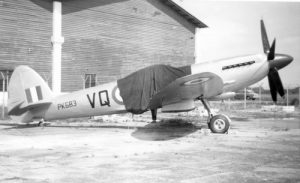
Photo Spitfire 24 – 15: Spitfire F. 24 PK683, a gate guardian at RAF Changi. It subsequently returned to the UK.


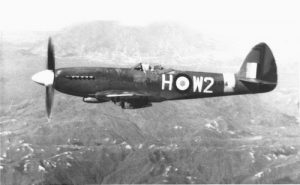
Photo Spitfire 24 – 16: Spitfire F. 24 VN484/W2-H taken in flight in 1949 with basic markings painted on. Note the absence of the badge on the fin, rather unusual for a 80 Squadron’s F.24.


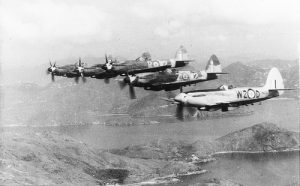
Photo Spitfire 24 – 17: Photo of poor quality but seeing some Spitfire F. 24s flying in formation is rare. This photo highlights the various markings the F.24s had worn while in service in Hong Kong, with a mixture of roundels – pre and post 1947 -, lack of camouflage for an handful of aircraft and even the squadron’s codes are not painted in the same order! . Note the spinner, either painted partially in red (for W2-D in the front), either in blue for all the other four. Silver finish seems to have appeared by the end of its service life in the Far East.


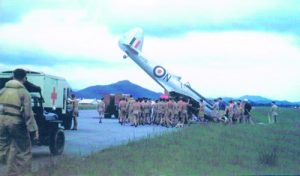
Photo Spitfire 24 – 18: Spitfire F. 24 VN492/N of the HKAAF seen on 03.10.53 after it swung while landing at Sek Kong and went off the runway. The port wheel struck a drainage ditch, the starboard undercarriage was damaged and the aircraft tipped up on its nose. The pilot, P/O Rufus Heard escaped injuries.


Photo Spitfire 24 – 19: Spitfire F.24 VN318/W2-E, No. 80 Squadron, Kong Kong

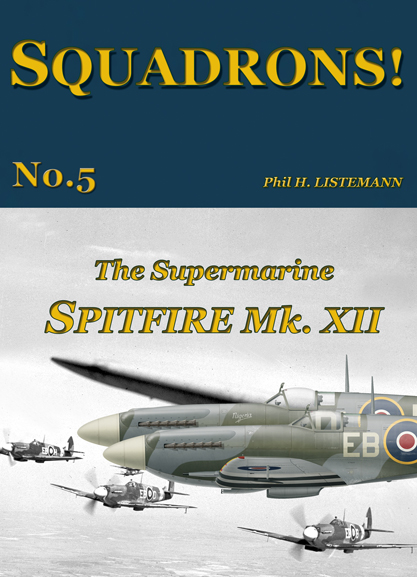
SQUADRONS! No.05: The Supermarine Spitfire Mk XII

S-05-PAGE

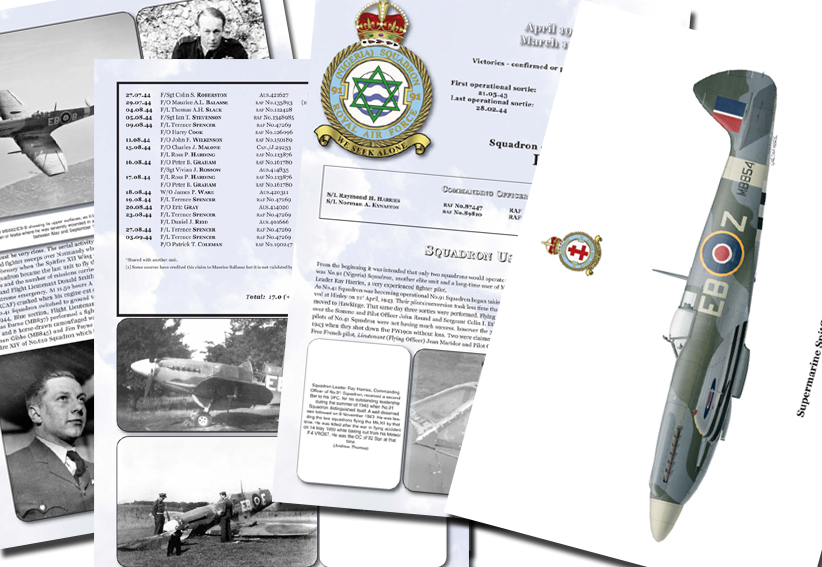
The Spitfire Mk.XII was the first Spitfire operational variant equipped with a Griffon engine. Only 100 were built with two RAF squadrons using this mark in operations in 1943 – 1944. This study of 28 pages (with over 30 photos) narrates its career and gives, as for the previous titles of this series, details on the losses and claims. It is a revised edition of the Allied Wings No. 1, now sold out.

REVISED DECEMBER 2018

A paperback copy is available  with ISBN: 978-2918590-44-6


Profiles:

MB854/EB-Z – 41 Sqn

EN617/DL-E – 91 Sqn

********************

HOW TO ORDER:

Send your mailing address  with your phone number in using ‘contact’ button and we will respond with a Paypal request with the following amount:

EU, UK and USA: 12.00 Euros postage included

Rest of the World: 14.50 Euros postage included

Multiple purchases with combined postage possible.

********************

PDF version is available with ISBN: 978-2918590-34-7

(New PDF uploaded August 2023)

A photo album of 16 photos extracted from this title is also available in the Photographs and Document page (September 2013)

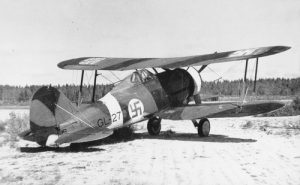
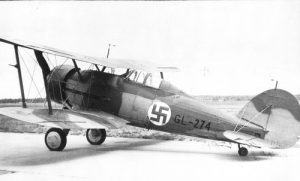
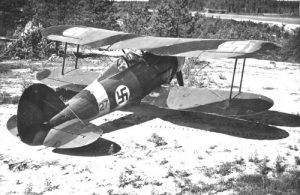
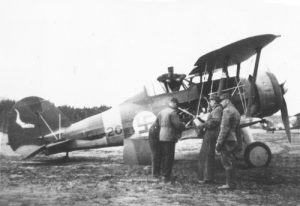
June 2014: Finnish, Norwegian & Swedish Gloster Gladiators – 25 photos

Each photograph is offered at a 300dpi res/13x8cm size making them available for a very good quality digital print, but also for Iphone/IPad, smartphone or computer screen (but should convert the image into a jpeg format for doing so)

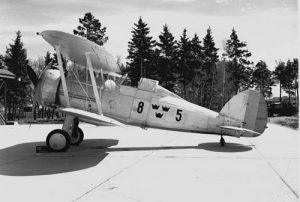
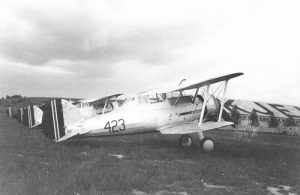
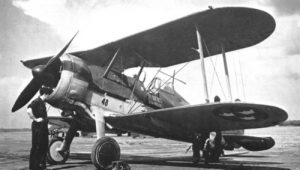
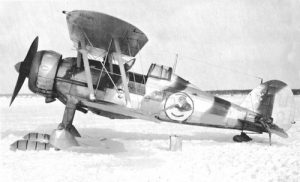
 Photo (Swedish) 01: Swedish Gloster Gladiator (J8 – serial 235), Flottilj F8, Barkaby, 1938. Delivered on 12 Oct 37, it was destroyed in an accident on 26 July 1940 with 310.8 hours flown.

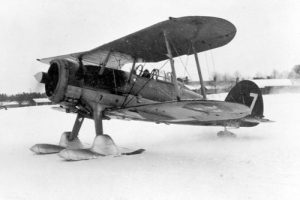
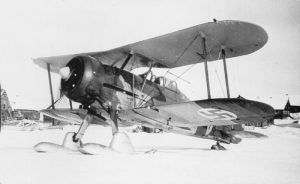
Photo (Swedish) 02:  Swedish Gloster Gladiator on skis with the new national markings introduced in 1937 and the new camouflage (green and light blue-grey).

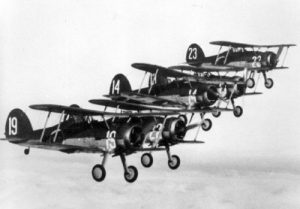
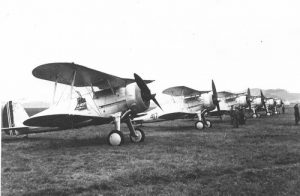
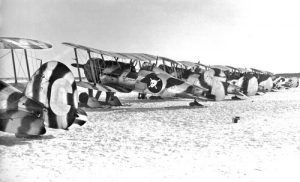
Photo (Swedish) 03: Swedish Gloster Gladiators of the F8 flying in formation with the national markings introduced in 1940 with a yellow ring added.

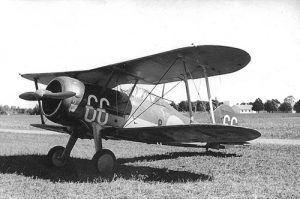
Photo (Swedish) 04: Swedish Gloster Gladiator coded 8-66, of the F8 with the new national markings.

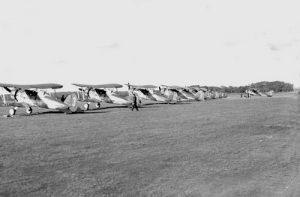
Photo (Swedish) 05: Line-up of Swedish Gloster Gladiators belonging to the F8. The aircraft on the front is coded 8-3.

Photo (Norwegian) 06: Line-ip of Norwegain Gloster Gladiators before the German invasion. They were based at Oslo/Fornebu.

Photo (Norwegian) 07: Another view of Norwegian Gloster Gladiators at Oslo/Fornebu.

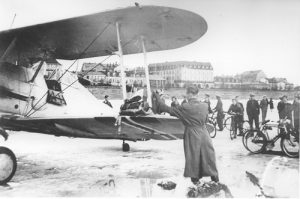
Photo (Norwegian) 08: One of the Norwegian Gloster Gladiator being examined by a German soldier at Oslo/Forebu.

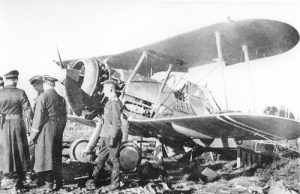
Photo (Norwegian) 09: Another view of a captured Norwegian Gloster Gladiator at Oslo/Fornebu.

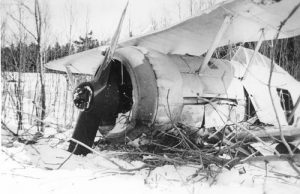
Photo (Norwegian) 10:  Wreckage of the Norwagian Gloster Gladiator 427 after being hit by Bf110s of I./ZG 76 on 9 Apr 40.

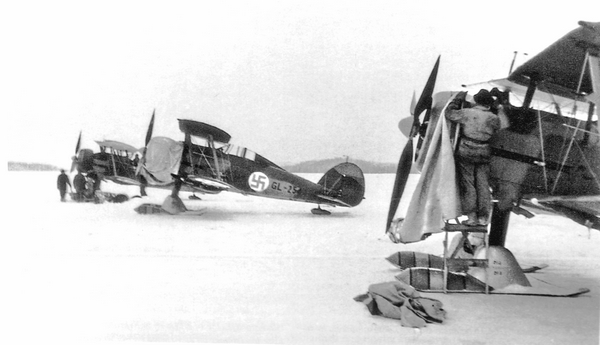
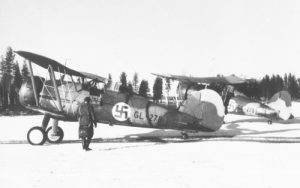
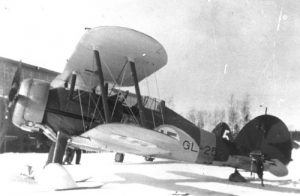
Photo (Finnish) 11: Finnish Gloster Gladiator GL-278 of 1/LLv 16 in March 42. It was lost in a flying accident on the following 2 Sep.

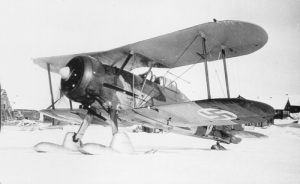
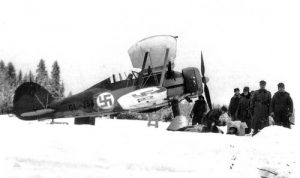
Photo (Finnish) 12: Finnish Gloster Gladiator GL-270 of 1/LLv 16 in summer 42. Note the national markings on the wings. This aircraft survived the war.

Photo (Finnish) 13: Finnish Gloster Gladiator GL-274 seen in July 1940, then issued to LLv 14. This aircraft survived the war.

Photo (Finnish) 14: Another view of GL-270 giving more details on the upper wings markings.

Photo (Finnish) 15: Finnish Gloster Gladiator GL-264 of 2/LeLv 16 in summer 42. Aircraft shot down by Soviet flak on 9 Jul 42.

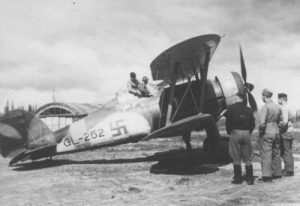
Photo (Finnish) 16: Finnish Gloster Gladiator GL-252 of 1/LeLv 16 in summer 43. Shot down by Soviet flak on 11 Apr 44.

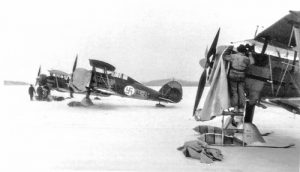
Photo (Finnish) 17: Finnish Gloster Gladiators of 1/LLv 16 in spring 41. GL-278 was lost on 2 Sep 42 in a flying accident.

Photo (Finnish) 18: Finnish Gloster Gladiator GL-252 of 1/LLv 16 taken in April 42. It was shot down by Soviet flak two years later.

Photo (Finnish) 19:  Finnish Gloster Gladiator GL-278 of 1/LeLv 16 in March 1942.  It would be lost in an accident the following September.

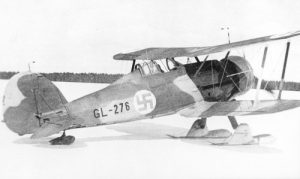
Photo (Finnish) 20:   Finnish Gloster Gladiator GL-276 of 2/LLv 14 at the end of the Winter War. This Gladiator survived the war.

Photo (Finnish) 21:   Finnish Gloster Gladiator GL-258 of 2/LLv 26 in February 1940. It was shot down a couple of days later.

Photo (Finnish) 22:  Finnish Gloster Gladiators of 1/LLv 26 in February 1940 with GL-254 visible which was shot down on 25 February.

Photo (Swedish) 23: Swedish Gloster Gladiator (J8 – serial 248), Flottilj F8, Barkaby, 1939.

Photo (Swedish) 24: Gladaitor J8A No. 278 of the F19 before returning to Sweden in March 1940.

Photo (Swedish) 25: Six Swedish Gladiators of F19 on 30 March 1940 before the jounrey back to Sweden. Gladiator ‘F’ was No. 284, a J8A.

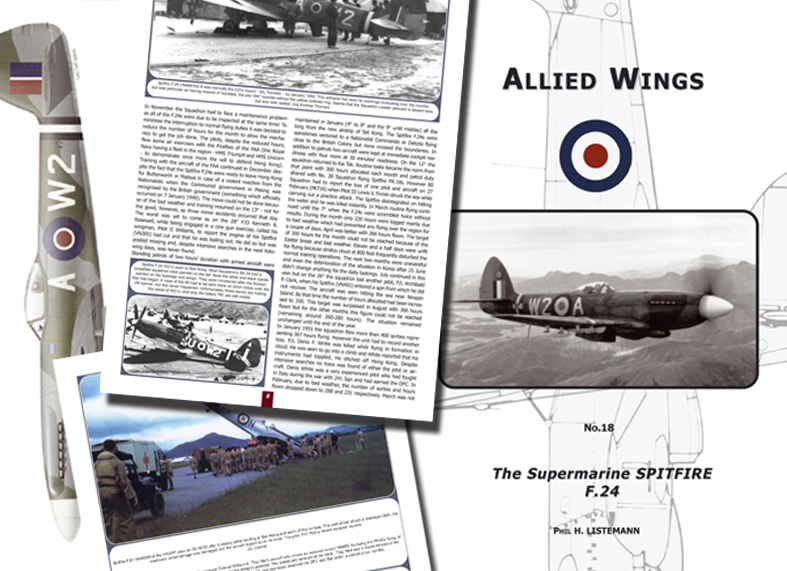
AW18: The Supermarine Spitfire F.24

Often forgotten, the last mark of the Sptfire F.24 played its role in this unstable post-war era even if it hasn’t been engaged in any combat. Its presence in Hong Kong, while the Communist China had been proclaimed, was not only symbolic.

27 pages, 31 photos, 3 colour profiles.

Pageaw18

Paperback version: ISBN: 978-2918590-35-4

******************

HOW TO ORDER:

Send your mailing address  with your phone number in using ‘contact’ button and we will respond with a Paypal request with the following amount:

EU, UK and USA: 13.50 Euros postage included

Rest of the World: 15.50 Euros postage included

Multiple purchases with combined postage possible.

**********************

PDF, Epub and Kindle versions: ISBN 978-2918590-33-0

May 2014: Hawker Fury – 57 photos

Each photograph is offered at a 300dpi res/13x8cm size making them available for a very good quality digital print, but also for Iphone/IPad, smartphone or computer screen (but should convert the image into a jpeg format for doing so)

Two related books: Allied Wings No. 10 (Hawker Fury Pt-1) & Allied Wing No. 17 (Hawker Fury Pt-2), both being also available on digital versions in this site


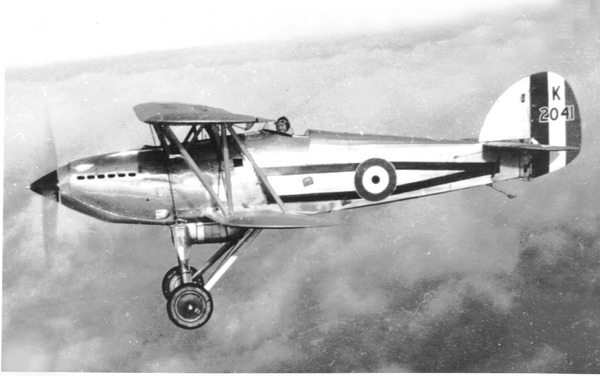
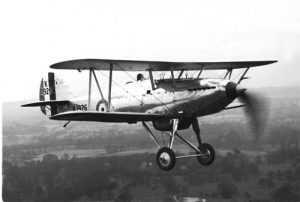
Photo Fury 01:  Hawker Fury Mk. I K1926, the first production Fury taken in flight in 1931 before delivery to the RAF. Continue reading

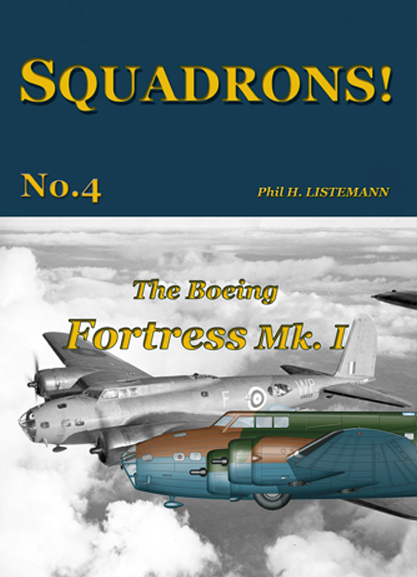
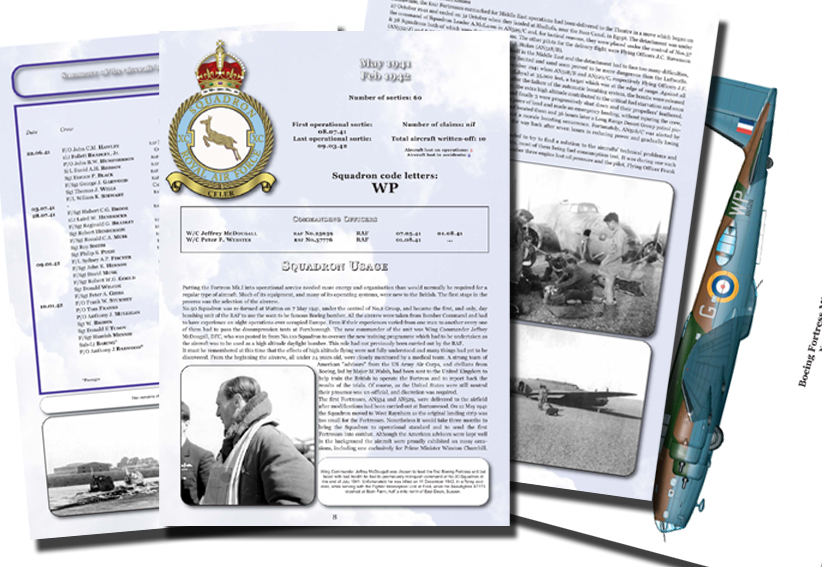
SQUADRONS! No.04: The Boeing Fortress Mk. I

The full story of the Fortress Mk.I is here told, an experiment led by the British under the secret supervision of the Americans. Many things were learned by the British who eventually discarded the four-engined American bomber in the day bombing role. However the Americans aware of the shortcomings of the Fortress decided to ignore these lessons and went into war a couple of months later with no change in their strategy, a bloody mistake.

30 pages, 30 photos, two colour profiles. It is a revised edition of the Allied Wings 7, with new photographs and new material.

REVISED, November 2019, February 2022

Profiles:

AN526/WP-G – 90 Sqn

AN537/NR-L – CCDU

S-043

A paperback version is also available with ISBN 978-2818590-43-9

********************

HOW TO ORDER:

Send your mailing address  with your phone number in using ‘contact’ button and we will respond with a Paypal request with the following amount:

EU, UK and USA: 11.50 Euros postage included

Rest of the World: 14.50 Euros postage included

Multiple purchases with combined postage possible.

********************


PDF is available with ISBN: 978-2818590-32-3

(new PDF uploaded August 2023)

April 2014: Spitfire prototype and experimental airframes – 29 photos

Each photograph is offered at a 300dpi res/13x8cm size making them available for a very good quality digital print, but also for Iphone/IPad, smartphone or computer screen (but should convert the image into a jpeg format for doing so)

 Photo Spitfire 01:  Spitfire prototype K5054 seen on 18 June 1936, taken shortly before the demonstration flight which ended with a belly landing.
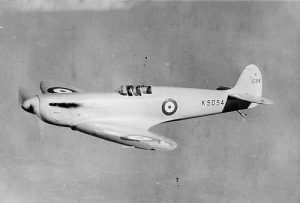
 

Photo Spitfire 02:  Spitfire prototype K5054 in flight with its green-blue paint.
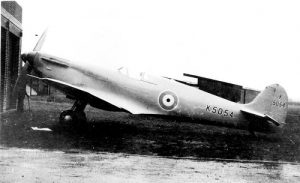
Photo Spitfire 03: Spitfire prototype K5054 seen at Martlesham Heath in 1937.
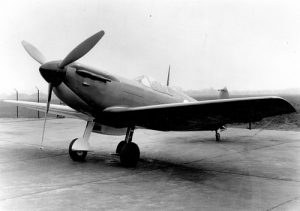
Photo Spitfire 04: Spitfire N3297, a Mk.III with clipped wings as it was first equipped. The Mk.III was ordered in large quantity, but this mark never went into production.
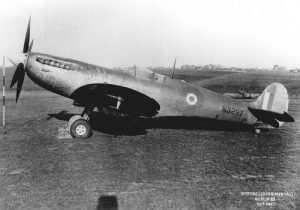
Photo Spitfire 05: Spitfire N3297 with a Merlin XX installed and a four-blades propeller. This photo was taken in October 1941 at Boscombe Down.
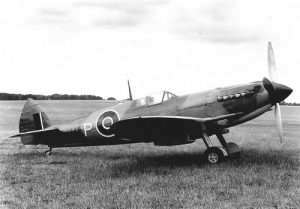
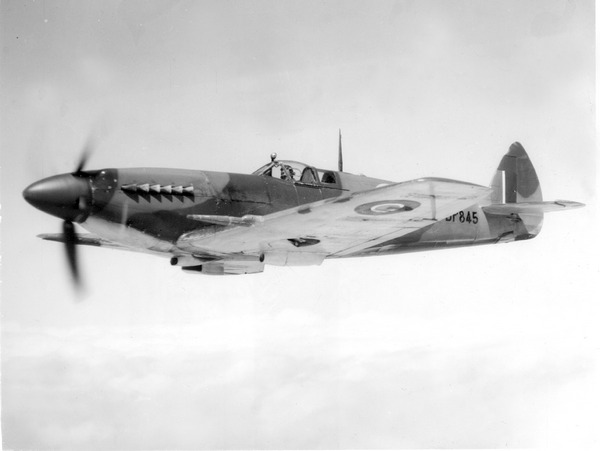
Photo Spitfire 06: Spitfire DP845, prototype of the Spitfire Mk.IV – fighter. It was later converted to become the prototype of the Spitfire Mk.XII.
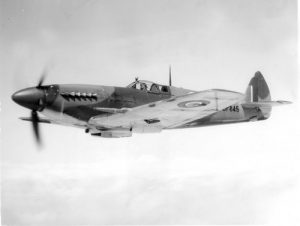
Photo Spitfire 07: Spitfire DP845 in flight in October 1943. The engine installed was at that time a Griffon IV which was the mark used in Seafire XVs. 
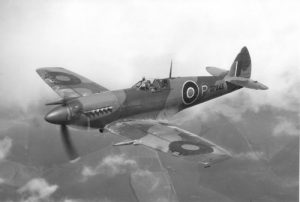
Photo Spitfire 08: Another view of Spitfire DP845 in flight showing its short span wings.


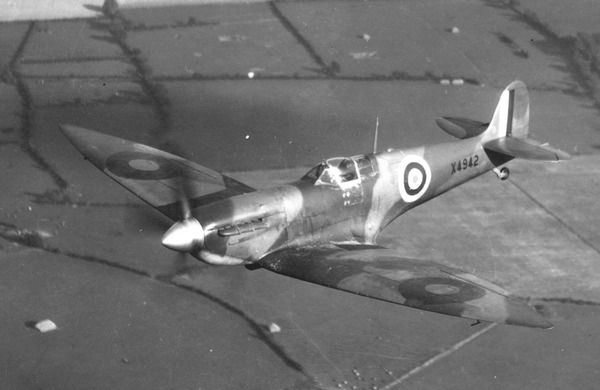
Photo Spitfire 09: Spitfire X4942 in flight, seen as being the first true Mk.VI prototype.
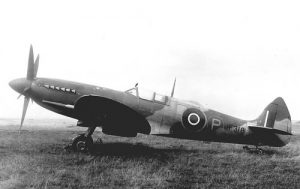
Photo Spitfire 10: Spitfire JF318, one of the six Mk.VIII converted to accept the Griffon engine and were used as prototypes for the Mk.XIV.
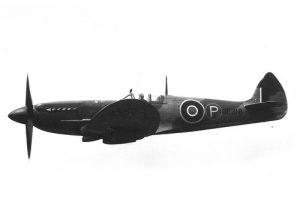
Photo Spitfire 11: Another view of Spitfire JF318, taken in flight this time.
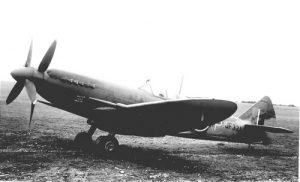
Photo Spitfire 12: Spitfire JF321, originally ordered as a Mk.VIII, was fitted with de Havilland contra-props and an enlarged fin.
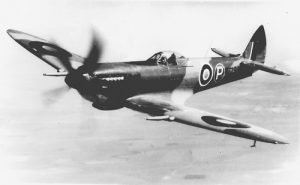
Photo Spitfire 13: Spitfire JF299, a Mk.VIII, was at first delivered to AFDU for handling trials. It was later converted to have a tear-drop cockpit hood.

Photo Spitfire 14: Two-seat Spitfire N32 (ex-MT818) was the prototype of the post-war Spitfire Trainer.
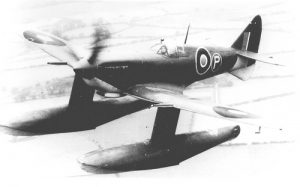
Photo Spitfire 15: Spitfire MJ892, built as a Mk.IX, was converted to become a seaplane. Struck off charge in November 1945. (see also photo 25)
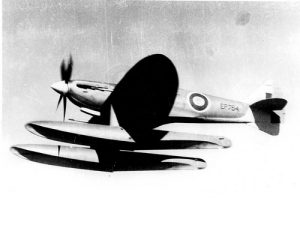
Photo Spitfire 16: Spifire EP754, was the third Mk.V to be converted to become a seaplane.  It was sent to the ME for trials. The Spitfire seaplane version was intended to operate against the Junkers Ju52 flying from Greece to Crete. (see also photo 28).
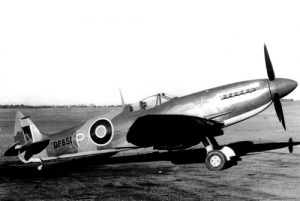
Photo Spitfire 17: Spitfire DP851 was a former F.IV prototype and was later used as the prototype F.21 as seen here. 
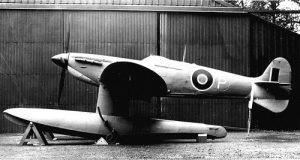
Photo Spitfire 18: First prototype Spitfire Mk.VB conversion, EP751 seen here just after its conversion by Folland Aircraft.
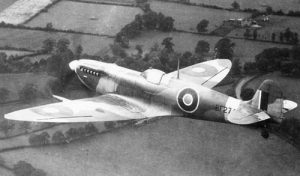
Photo Spitfire 19: Spitfire Mk.IX BF274. This aircraft was used for various test programs and carried an incorrect serial number throughout its service life. It had been originally ordered as an Mk.V and converted later on.
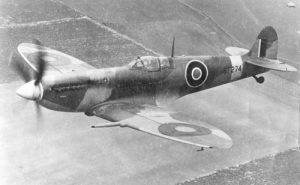
Photo Spitfire 20: Another view of Spitfire BF274 in flight.
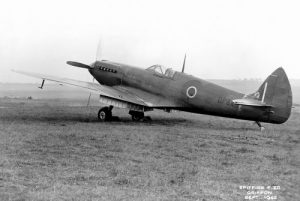
Photo Spitfire 21: Spitfire DP845 on the ground in September 1942. See also photo 6, 7 & 8.
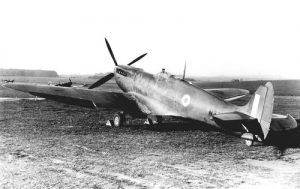
Photo Spitfire 22: Another view of Spitfire N3297. See also photo 5.
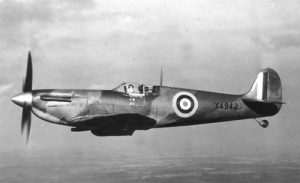
Photo Spitfire 23: Another view of Spitfire X4942. See also photo 9.
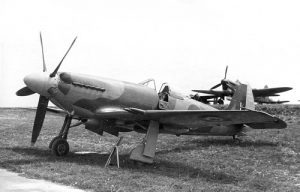
Photo 24: Spitful RB516.
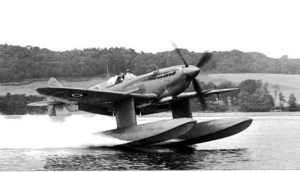
Photo Spitfire  25: Another view of Spitfire MJ892 taking from. (see also photo 15)
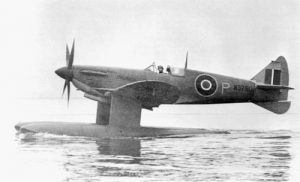
Photo Spitfire  26: Spitfire Mk. V W3760 while conducting trials on floats in 1942.
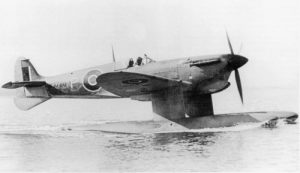
Photo Spitfire  27: View of the other side of Spitfire W3760. 
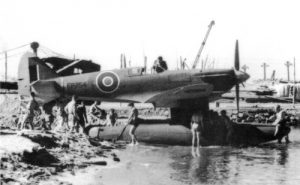
Photo Spitfire  28: Spitfire Mk. V EP754 seen while conducting tropical trials at Alexandria in autumn 1942. (see also photo 16)
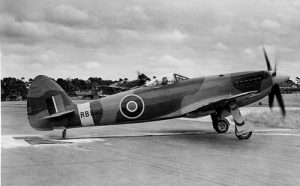
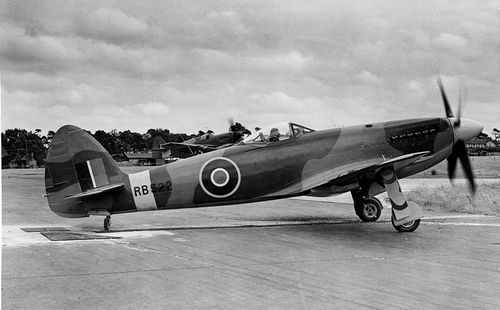
Photo Spitfire  29: Side view of Spitful RB522 while taxying