Archives

August 2016: Grumman FF – 43 photos

Each photograph is offered at a 300dpi res/13x8cm size making them available for a very good quality digital print.

This set can be associated to Allied Wings No. 6 – The Grumman FF in which many photos of this set have been published.
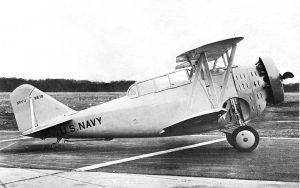
tn_Grumman FF - 01

Photo 01: Side view of the prototype XFF-1 BuNo 8878.
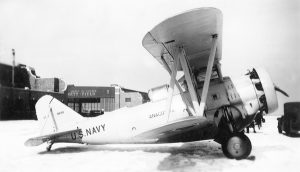
tn_Grumman FF - 02

Photo 02: Grumman XFF-1 seen at Anacostia (DC) for Navy trials during the winter of 1931 – 1932.
tn_Grumman FF - 03

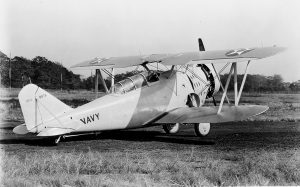
Photo 03: View from behind of Grumman FF-1 BuNo 8878. The XFF-1 was modified as FF-1 during the summer 1932.
tn_Grumman FF - 04

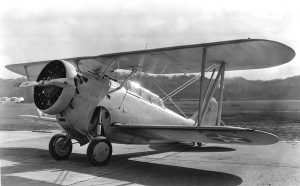
Photo 04: Three-Quarter view of Grumman FF-1 BuNo 8878.
tn_Grumman FF - 05

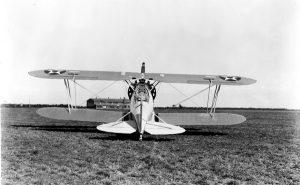
Photo 05: Rear view of a Grumman FF-1.
tn_Grumman FF - 06

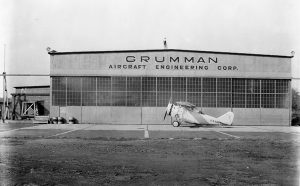
Photo 06: Grumman XFF-1 BuNo 8878 in front of the Grumman Corporation hangar.
tn_Grumman FF - 07

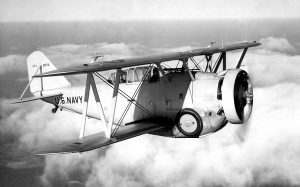
Photo 07: The prototype XFF-1 was later modified as a conventional fighter and became a standard FF-1 whereupon the X was dropped from the designation.
tn_Grumman FF - 08

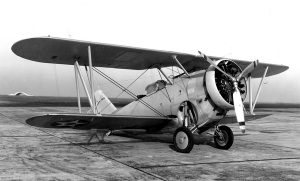
Photo 08: Another view of Grumman FF-1 BuNo 8878 (see also photo 07 & 09)
tn_Grumman FF - 09

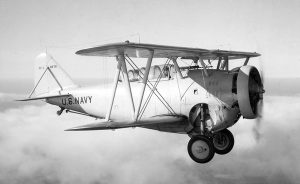
Photo 09:  After modifications the XFF-1 became the FF-1. It is seen here in flight and shows its landing gear in the extended position. At the beginning of the thirties the USN was looking for new equipment for its aircraft however, in the case of retractable landing gear, the USN was still reluctant to introduce it on its aircraft as it was unsure if it was strong enough to withstand landing on an aircraft carrier.
tn_Grumman FF - 10

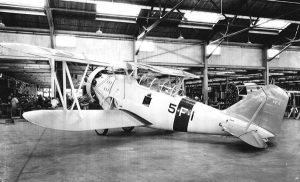
Photo 10: The first Grumman  FF-1 to be assigned to the VF-5B was BuNo 9351, which is seen at the factory, with freshly painted codes 5-F-1 for the Squadron’s leader. But the cwoling has yet to be painted. (see also photo 25)
tn_Grumman FF - 11

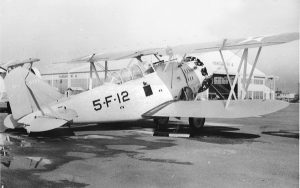
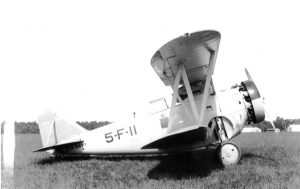
Photo 11: Grumman FF-1 BuNo 9362/5-F-12 of the VF-5B. As with #11 above it belongs to the fourth (Black) section.
tn_Grumman FF - 12

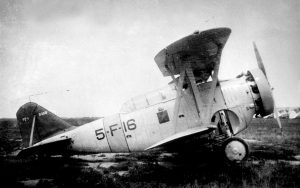
Photo 12: Grumman FF-1 BuNo 9369 was stored at first before being issued to VF-5B, in January 1934, as replacement aircraft.
tn_Grumman FF - 13

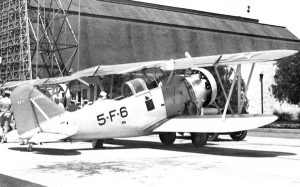
Photo 13: Grumman FF-1 BuNo 9356 seen here while serving with VF-5B in 1935.
tn_Grumman FF - 14

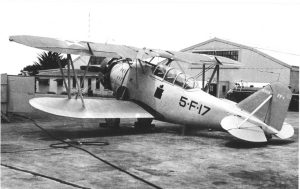
Photo 14: Grumman FF-1 BuNo 9358 photographed after its first overhaul and now flying as 5-F-17.
tn_Grumman FF - 15

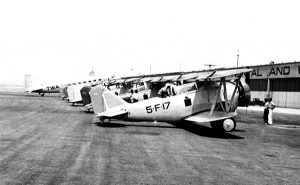
Photo 15: Grumman FF-1 5-F-17 parked with other aircraft at an unknown location.
tn_Grumman FF - 16

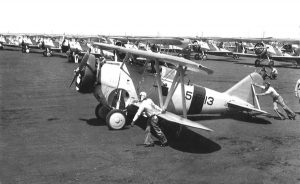
Photo 16: Grumman FF-1 5-F-13 with all the markings deleted on the fin. Remains only a single ‘F’ on the tail.
tn_Grumman FF - 17

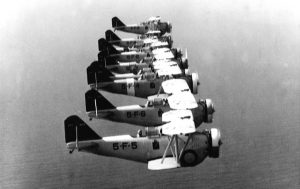
Photo 17: The first three sections (Red, White and Blue) of VF-5B flying in close formation over the ocean. Although VF-5B was the only unit to be fully equipped with the FF-1 it must be said that VF-1B embarked on the USS Saratoga, received two FF-1s, BuNo 9366 for one day, and 9376 pending delivery of its SF-1 which arrived six weeks later.
tn_Grumman FF - 18

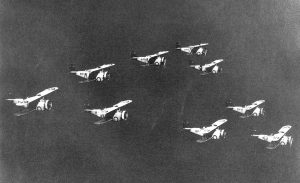
Photo 18: Three sections of the VF-5B flying in opne formation over the ocean.
tn_Grumman FF - 19

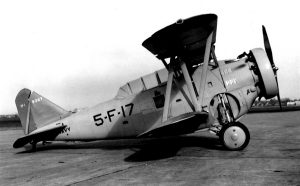
Photo 19: Grumman FF-1 BuNo 9367 was one the 18 FF-1s assigned to VF-5B when the type was introduced into service. It was later converted to an FF-2.
tn_Grumman FF - 20

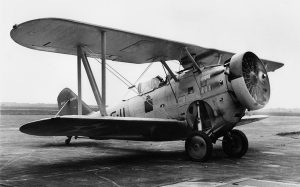
Photo 20:  Grumman FF-1 BuNo 9361/5-F-11 of the VF-5B is warming up for another training flight. As #11, the colour on the cowling is black
tn_Grumman FF - 21

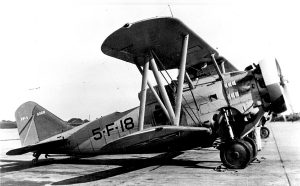
Photo 21: Grumman FF-1 BuNo 9468 in 1935. Number 18 was the last aircraft of a USN squadron. Note the large underwings roundels.
tn_Grumman FF - 22

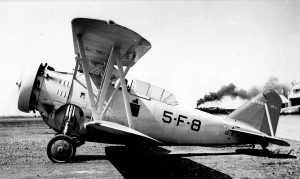
Photo 22: Grumman FF-1 BuNo 9358 warming up while serving with VF-5B. As aircraft #8, the upper part of the cowling should have been painted blue, but it is not the case here, and the cowling may be a new unpainted one.
tn_Grumman FF - 23

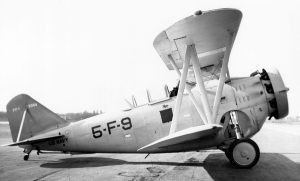
Photo 23: Grumman FF-1 BuNo 9354 warming-up for another training flight. It was first coded 5-F-4, but this was changed to 5-F-9 after its overhaul in November 1934.
tn_Grumman FF - 24

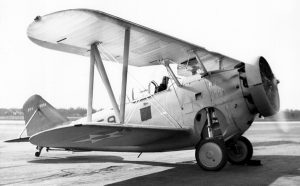
Photo 24: Another view of Grumman FF-1 BuNo 9354/5-F-9. It would be converted to an FF-2 and was stricken in November 1938 with 1,138.5 hours to its airframe.
tn_Grumman FF - 25

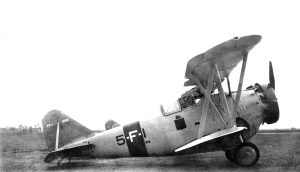
Photo 25: Grumman FF-1 BuNo 9351, the first FF-1 built, taken later wth the VF-5B. The name of the pilot is now written under the cokpit and the cowling has also received its full red paint (see photo 10).
tn_Grumman FF - 26

Photo 26: Grumman FF-1 BuNo 9361 in August 1933. It was lost in an accident in February 1935.
tn_Grumman FF - 27

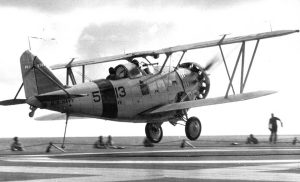
Photo 27: Grumman FF-1 BuNo 9363 just before touching down the deck. It was a phase with which the pilots were not very comfortable as the FF-1 had a tendency to bounce on touch down.
tn_Grumman FF - 28

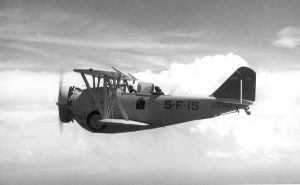
Photo 28: Grumman FF-1 BuNo 9365 in flight. Converted as an FF-2 it would be wrecked in September 1938 while serving with NRAB Minneapolis.
tn_Grumman FF - 29

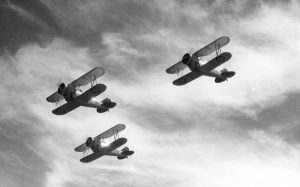
Photo 29: A section of Three Grumman FF-1s taken in formation from below.
tn_Grumman FF - 30

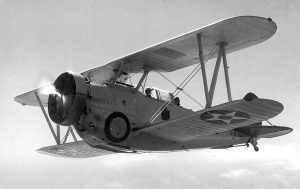
Photo 30: An unidentified FF-1 of VF-5B taken in flight.
tn_Grumman FF - 31

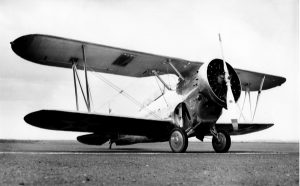
Photo 31: Grumman FF-1 BuNo 8878 seen at Anacostia.
tn_Grumman FF - 32

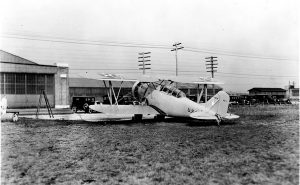
Photo 32: Another view of Grumman FF-1 BuNo 8878.
tn_Grumman FF - 33

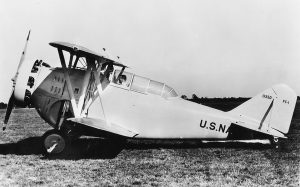
Photo 33: Grumman FF-1 BuNo 9350, the first production aircraft was used at the Naval Aircraft Factory for two years.
tn_Grumman FF - 40

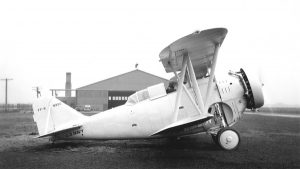
Photo 40: Grumman FF-2 BuNo 9356 taken at the factory after its recent conversion.
tn_Grumman FF - 41

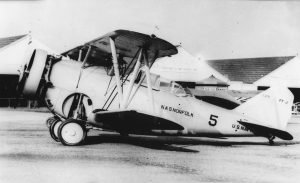
Photo 41: At the end of its career, Grumman FF-2 BuNo 9371 served as liaison aircraft # 5 for NAS Norfolk, thence the inscription “NAS NORFOLK” painted on the fuselage. The aircraft was left in natural metal finish.
tn_Grumman FF - 42

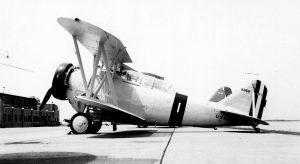
Photo 42: Grumman FF BuNo 9362 after being converted to an FF-2. Note the rudder stripes of the reserve aircraft, but the FF-2s were rarely painted like this.
tn_Grumman FF - 43

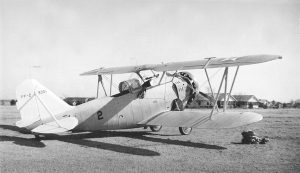
Photo 43: After its conversion to Grumman FF-2, BuNo 9356 served at the NRAB Kansas City as #2. The tail and stabilisers are white.
tn_Grumman FF - 44

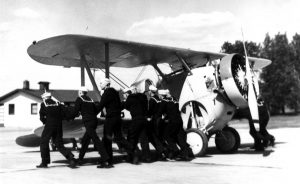
Photo 44: A Grumman FF-2 of an unidentified NRAB unit. Note the black “2” painted on the engine cowling.
tn_Grumman FF - 45

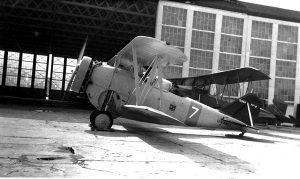
Photo 45: Leader of the third (Blue) section was flying this Grumman FF-2 BuNo 9364 with a blue cowling and fuselage band. The tail is believed to be red. Note the Reserve insignia which was painted under the gunner’s seat. The location of the insignia varied from one aircraft from to another.
tn_Grumman FF - 46

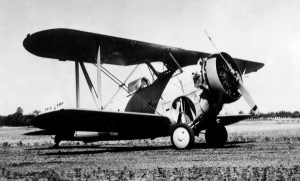
Photo 46: As with many other Grumman FF-1s, BuNo 9369 was converted to an FF-2 and served as such at NRAB Minneapolis. The Reserve insignia is now located just behind the cowling ring.
tn_Grumman FF - 47

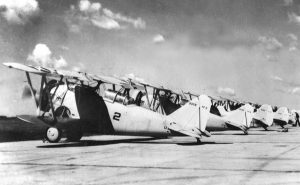
Photo 47: Just after their conversion to FF-2, BuNos 9372 and 9376 were allocated to NRAB Minneapolis and were respectively the second and third taken on charge by this NRAB, the first being BuNo 9369. The section colours for reserve units were normally the same as fleet units. This seems to be the case here, and consequently BuNo 9376 should be #3 with its lower part of its cowling painted red.
tn_Grumman FF - 48

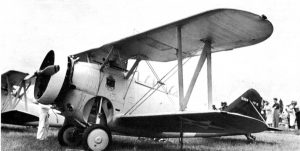
Photo 48: Grumman FF-2 BuNo 9364 during a public display in the thirties.
tn_Grumman FF - 49

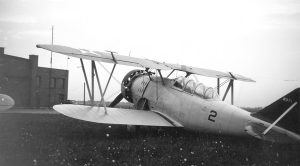
Photo 49: Grumman FF-2 BuNo 9371 believed to have belonged to NRAB Glenview in 1937. There is no Reserve insignia painted on this aircraft.
July 2016: Gloster Meteor F.I & F.III – 29 photos

Each photograph is offered at a 300dpi res/13x8cm size making them available for a very good quality digital print, but also for Iphone/IPad, smartphone or computer screen (but should convert the image into a jpeg format for doing so)

This set can be associated to SQUADRONS! No. 15 -The Gloster Meteor F.I & F.III in which many photos of this set have been published.

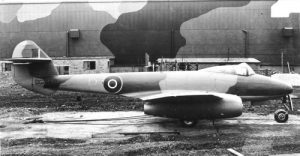
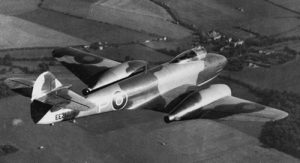
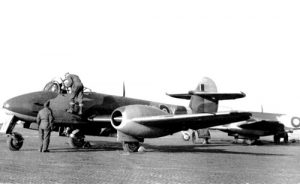
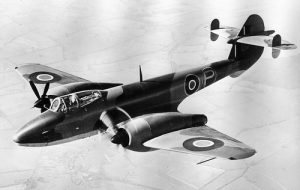
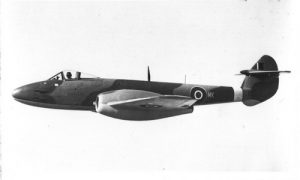
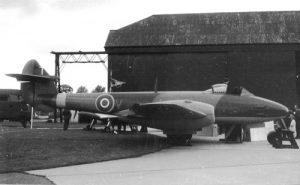
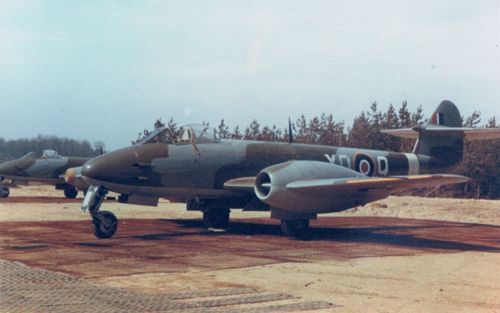
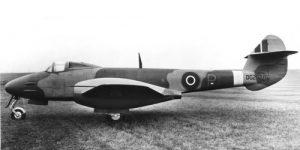
Photo Meteor 01: Gloster prototype DG202/G in July 1943 with W.2B/23 engines.

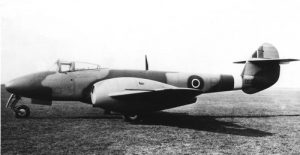
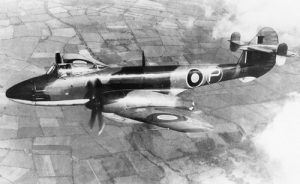
Photo Meteor 02: Gloster prototype DG204/G, the third prototype with Metropolitan-Vickers F.2 engines.

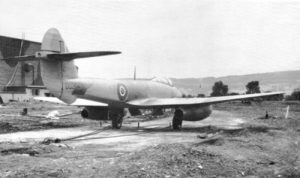
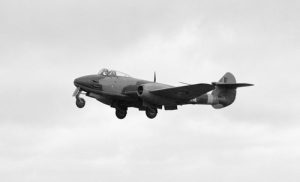
Photo Meteor 03: Gloster Meteor DG206/G Halford H.1 engines.

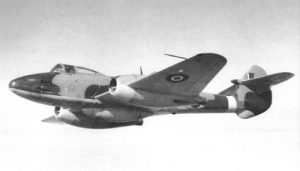
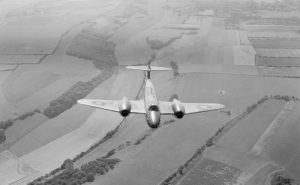
Photo Meteor 04: Gloster Meteor DG204/G seen from another angle.


Photo Meteor 11: Gloster Meteor F.I EE214/G while used as a test bed for ventral fuel tank.

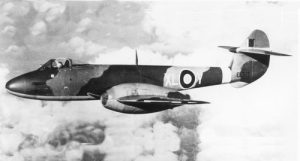
Photo Meteor 12: Gloster Meteor F.I EE212 taken in flight during a flight test.

Photo Meteor 13: Gloster Meteor F.I EE227 fitted with Trent turbo-props. It first flown on 20.09.45.

Photo Meteor 14: A Gloster Meteor F.I, of 616 Sqn, coming in to land at Manston, Kent during the summer 1944.

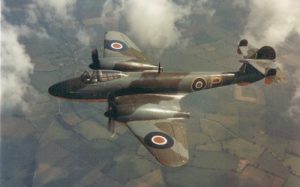
Photo Meteor 15: A Gloster Meteor F.Is of 616 Sqn, based at Manston, Kent, in flight over the countryside between West Hougham and Dover, ever ready to intercept V-1s.

Photo Meteor 16: Gloster Meteor F.I EE227/QY-Y seen at Manston in September 1944 at a time when the V-1 threat had reached its end.

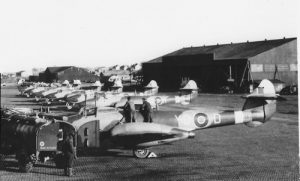
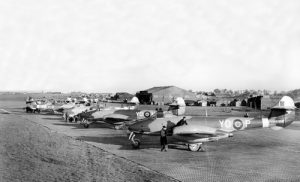
Photo Meteor 17: Meteor F.Is of 616 Sqn, with EE219/D in the foreground, lined-up at Manston in January 1945.

Photo Meteor 18: Another view of Gloster Meteor F.I EE227 (see photo 13)

Photo Meteor 19: Another view of Gloster Meteor F.I EE227 (see photo 13 &18)

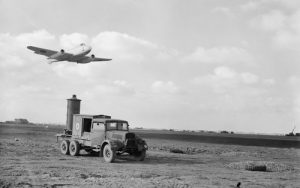
Photo Meteor 31: A Gloster Meteor F.III, of the 616 Sqn detachment, takes off from B58/Melsbroek, Belgium, shortly after joining No. 84 Group of 2 TAF in the air defence role. In the foreground a mobile Chance light stands parked by the main runway and, as can be seen, the Meteors were painted white to aid in their identification.

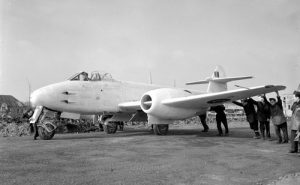
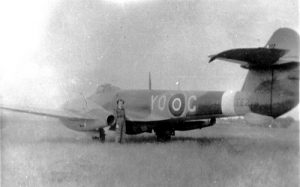
Photo Meteor 32: Ground crew pushing Meteor F.III EE239/YQ-Q. Now painted white, the only remaining markings are the national insignia and the letter ‘Q’ painted on the nose wheel door. This Meteor would also eventually become an instructional airframe.

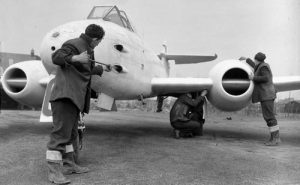
Photo Meteor 33: Gloster Meteor F.III EE239/Q having its cannon serviced.

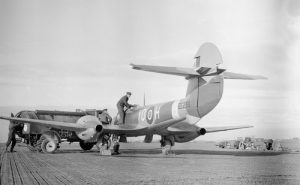
Photo Meteor 34: Ground crew refuelling Gloster Meteor F.III, EE236/YQ-H. It served as an instructional airframe from January 1945.

Photo Meteor 35: Another scene of 616 Sqn’s Meteors in January 1945. These are Meteor F.Is and Welland-powered F.3s, with EE235/P (a F.III) and EE229/W (a F.I) just behind. A further F.III, EE234/YQ-O, can be identified facing the opposite direction to the other Meteors. Just behind YQ-W, and partially obscured, is EE239/Q which would later be painted white while stationed on the Continent.

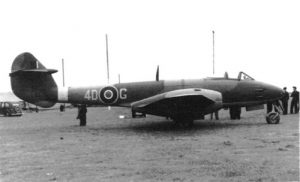
Photo Meteor 36: Gloster Meteor F.III EE278/YQ-G was also delivered in March 1945 and would serve with various squadrons – 263 (ex-616), 257, 222 and 1 – and ended as an advanced trainer at 206 AFS. Withdrawn from use in June 1953, it became an instructional airframe in December 1954.

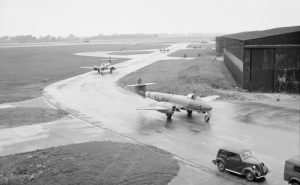
Photo Meteor 37: Gloster Meteor F.IIIs (EE354 XL-H nearest) of No. 1335 (Meteor) Conversion Unit taxi to dispersal after a demonstration flight for the Brazilian Air Minister and his party at Molesworth, Huntingdonshire. EE354 was issued to 1335 CU in July 1945.

Photo Meteor 38: Gloster Meteor F.III  EE317 taken in flight wearing the codes of 1335 CU (XL-Y). It was issued directly from Glosters to the CU in June 1945 along with EE316 (XL-U) and EE318 (XL-Z).

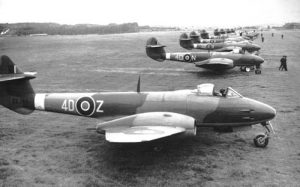
Photo Meteor 39:  A line-up of Gloster Meteor F.IIIs of 74 Sqn at Colerne in the summer of 1945. Meteor 4D-Z in the foreground is EE346 and was delivered to the squadron
in mid-July 1945.


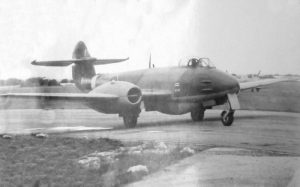
Photo Meteor 40: Gloster Meteor F.III EE341 of No. 74 Sqn in the summer 1945.

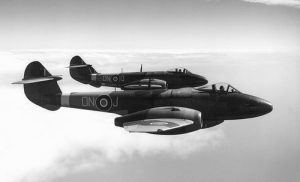
Photo Meteor 41: When the war ended in September 1945, 124 Sqn was about to begin conversion to the Meteor F.3. Leading two other F.3s of the squadron, EE393/ON-J was taken on charge on 22 September.

Photo Meteor 42: Gloster Meteor F. III EE426 of Sir D. Evill July 46.

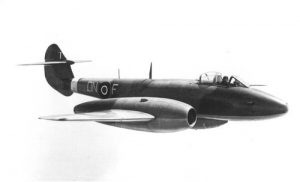
Photo Meteor 43: Gloster Meteor F. 3 EE464 was issued to No. 124 Squadron in February 1946 and coded ON-F.

Photo Meteor 44: Gloster Meteor F.3 EE401 personal mount of Wing Commander M. Kellet WinCo Middle Wallop Wing in 1947. It was coded ‘MK’.

Photo Meteor 45: Gloster Meteor F.3 EE419 ‘MR-V’ of 245 Sqn in 1945.

Photo Meteor 46: Gloster Meteor F.3 EE275 ‘YQ-Q’ of 616 Sqn in 1945.

SQUADRONS! No.15: The Gloster Meteor F.I & F.III

The Gloster Meteor was the first British jet fighter and the Allies’ only operational jet aircraft during the Second World War. For the Meteor, the main issue was to find the right engines and the development of these took more time than initially planned and proved more complicated than originally thought but eventually the first Meteor F.Is were ready to enter service in the summer 1944. Their first action took place soon after in the hunt of the V-1 launched against England. Then the Meteor was deployed on the Continent in its F.III variant where it participated to the last stages of WW2 with the 2 TAF. This study covers the wartime era and stopps in September 1945. This book is illustred with 30 photos (5 in colours) and five colour profiles.

updated December 2018, revised December 2021

S-15-PAGE

Available as a paperback version as 9782918590-94-1

HOW TO ORDER:

Send your mailing address  with your phone number in using ‘contact’ button and we will respond with a Paypal request with the following amount:

EU, UK and USA: 12.50 Euros postage included

Rest of the World: 14.50 Euros postage included

Multiple purchases with combined postage possible.

********************

PDF version is also available as 9782918590-95-8 (see below)

(July 2023: revised PDF uploaded)

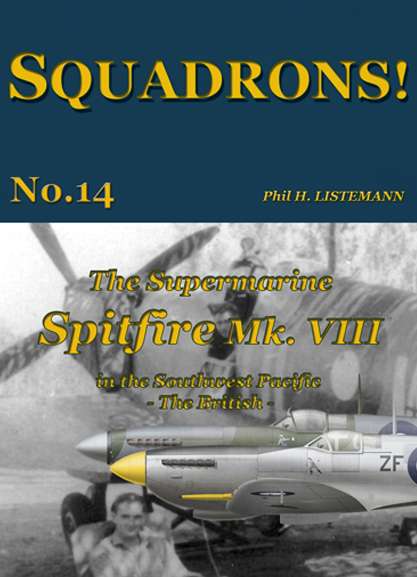
SQUADRONS! No.14: The Spitfire Mk. VIII in the Southwest Pacific – The British

Designed before the Mk. IX, but following it into service because its radical design changes would have meant production delays when time was of the essence, the Spitfire Mk. Vlll was in fact a non-pressurised version of the Mk. VII designed for low altitude combat (see SQUADRONS! No. 6). At the outset it was the designated successor to the Mk. V, the replacement of which was planned from 1943 onwards but when it became available the Mk. IX had recently entered service with Fighter Command and appeared to have a bright future. Therefore, the RAF decided to retain the Mk. VIII for overseas theatres – the Mediterranean, Far East and the Pacific – where the replacement of the Spitfire Mk. V had become a necessity. One fourth of the production will reach the Southwest Pacific, and this volume focuses on the usage made by the three RAF squadrons, Nos. 54, 548 and 549. Over thirty photographs and six colour profiles.

Updated June 2019

Profiles:

A58-317/DL-V – 54 Sqn

A58-370/DL-W – 54 Sqn

A58-360/DL-R – 54 Sqn

A58-482/TS-V – 548 Sqn

A58-482/TS-M – 548 Sqn

A58-379/ZF-Z – 549 Sqn

S-14-PAGE

Available as a paperback version as 9782918590-92-7

********************

HOW TO ORDER:

Send your mailing address  with your phone number in using ‘contact’ button and we will respond with a Paypal request with the following amount:

EU, UK and USA: 13.00 Euros postage included

Rest of the World: 15.50 Euros postage included

Multiple purchases with combined postage possible.

********************

PDF version is available as 9782918590-93-4.

(new PDF uploaded August 2023)

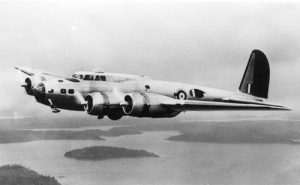
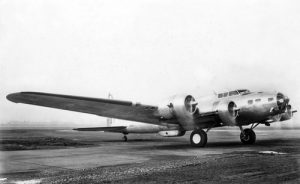
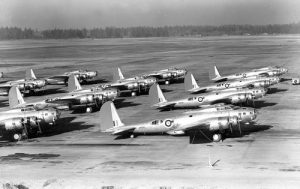
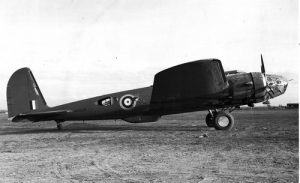
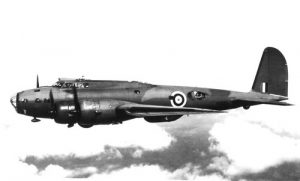
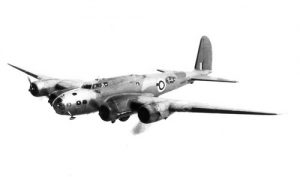
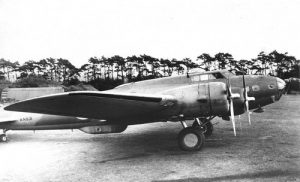
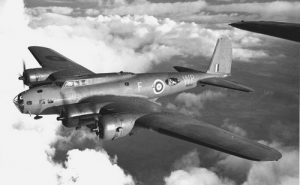
June 2016: Boeing Fortress Mk. I – 35 photos

Each photograph is offered at a 300dpi res/13x8cm size making them available for a very good quality digital print, but also for Iphone/IPad, smartphone or computer screen (but should convert the image into a jpeg format for doing so)

Most of those images have been published in SQUADRONS! No. 4 – The Boeing Fortress Mk. I

pdf, Epub and Kindle versions are available in this site: 978-2918590-32-3


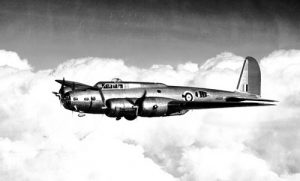
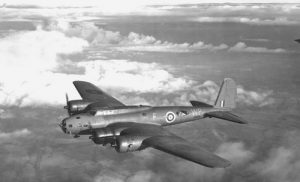
Photo Fortress 01: Various photos of Boeing Fortress Mk. I taken in the US before delivery. Here ‘AM528’.

Photo Fortress 02: see above, same aircraft.
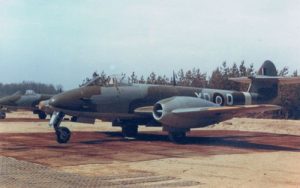
Photo Fortress 03: see above, same aircraft.
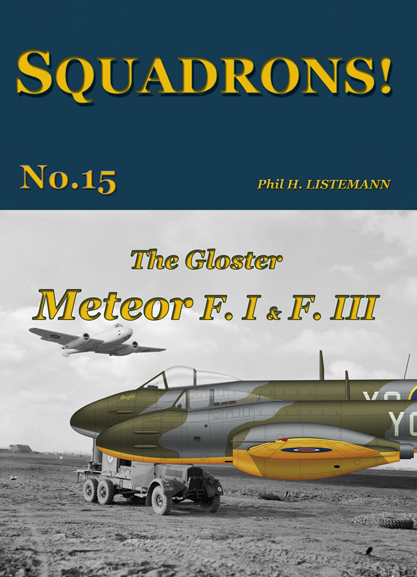
Photo Fortress 04: see above, same aircraft.
Photo Fortress 05: see above, same aircraft

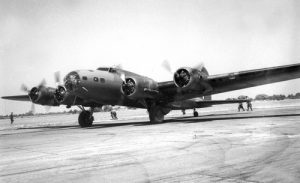
Photo Fortress 06: Boeing Fortress Mk. I ‘AM521’ seen at the US before delivery.

Photo Fortress 07: Part of the Fortress fleet in natural metal but with the RAF markings painted on. The Boeing mechanics made a mistake in painting tye serials, the Fortresses having received the letters “AM” later corrected to “AN”.

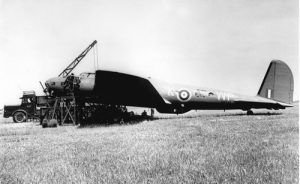
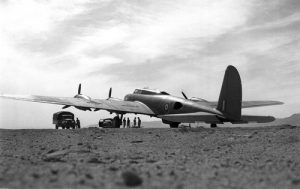
Photo Fortress 08: Boeing Fortress AN529 seen in UK after its long trip over the Atlantic.

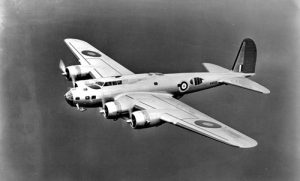
Photo Fortress 09: Side view of Boeing Fortress AN531 shortly after its arrival in the United Kingdom in April 1941. All the Fortresses made the flight in temporary American camouflage Olive Drab on the upper surfaces and Light Grey on the lower surfaces.

Photo Fortress 10: Boeing Fortress AN528 seen in flight after having been re-painted.

Photo Fortress 11: Boeing Fortress AN526 taken in flight shortly after receiving the new camouflage scheme. AN526 was also used by the Colerne Station Communication flight for five months after the disbandment of No. 90 Squadron in February 1942. It had become an instructional airframe by autumn 1942.

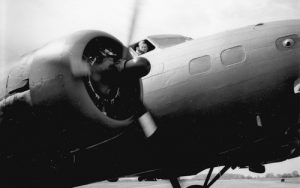
Photo Fortress 12: Boeing Fortress AN531 was the only Fortress Mk.I to have served at the A&AEE, and was with this unit between 15 April 1941 and 26 August 1941. The A&AEE pilots are waiting to start the engines in preparation for another test flight. The Fortress was painted Dark Green/Dark Earth on the upper surfaces and Sky on the under surfaces. AN531 was one of the few, and possibly the only aircraft of its type to have received this camouflage scheme.
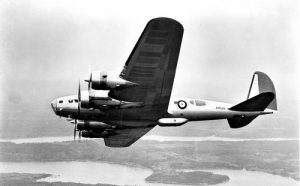
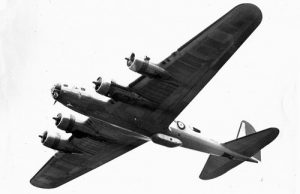
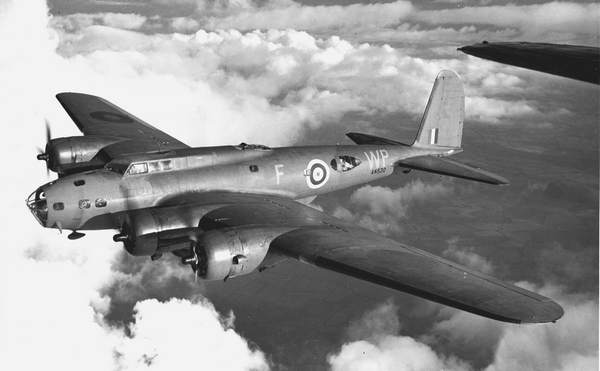
Photo Fortress 13: Boeing Fortress AN530/WP-F in flight. This was captained by Wing Commander J.McDougall on the two Berlin raids in July 1941. The results of three months of bombing were unsatisfactory as almost half of the operational sorties had to be cancelled for one reason or another.
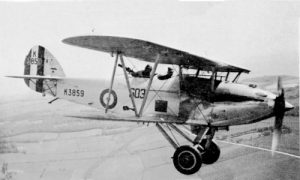
Photo Fortress 14: Another view of the photo 13 above

Photo Fortress 15: Even the first B-17 variants looked massively impressive. This Fortress is beginning to taxi out with a full bomb load and fuel tanks. From this angle no one would have imagined that the Fortress Mk.I would prove so vulnerable.

Photo Fortress 16: With engines warmed up this Fortress Mk. I is ready to taxi out and line up on the runway for another high altitude operation against Berlin, the German capital. This photo was taken on 23 July 1941, as were many others, as it was the day the Prime Minister planned to make a speech in the House of Commons. Had the attack succeeded the raid would have been highly publicised and this would have required many good photographs.

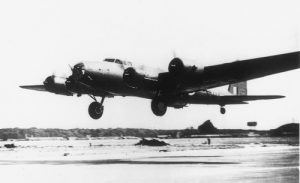
Photo Fortress 17: One Boeing Fortress taking-off for another mission over the Continental Europe.

Photo Fortress 18: Boeing Fortress AN521/WP-K undergoing an engine change in June 1941. It was one of the first to be allocated to No.90 Squadron, which in all, used 19 of the 20 Fortress Mk.Is. Indeed AN524 was never issued, having suffered a flying accident during delivery.

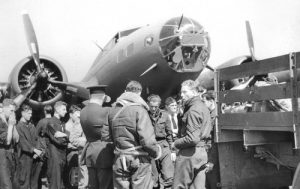
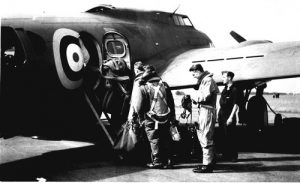
Photo Fortress 19: A No.90 Squadron’s crew arriving at their aircraft for another mission over Occupied Europe. At least one Bf109 could have been claimed as damaged off Norway, on 8 September, 1941, but the crew was lost before it could be reported.

Photo Fortress 20: ‘Ready to go’. The crew is about to release the breaks and to taxi for a take-off.

Photo Fortress 21: A crew coming up in his Fortress Mk. I.

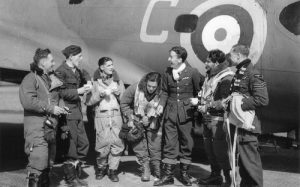
Photo Fortress 22: A crew posing for the photograph in front of Fortress AN529/WP-C.

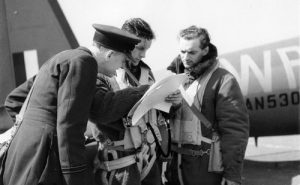
Photo Fortress 23: Two members of the crew of AN530/WP-F, at Polebrook. This aircraft, captained by Wing Commander McDougall, was being prepared for the attack on Berlin on 23 July 1941.

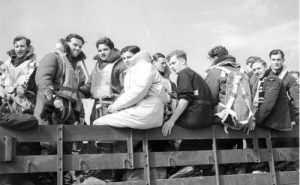
Photo Fortress 24: RAF crewmen arriving at dispersal.

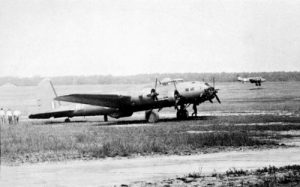
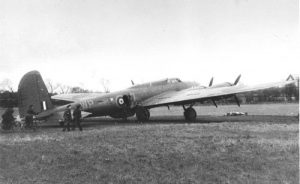
Photo Fortress 25: Boeing Fortress AN521/WP-K parked on the grass at Polebrook airfield prior to being readied for another sortie.

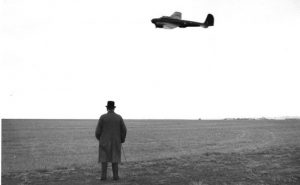
Photo Fortress 26: P.M. Winston Churchill looking at a Fortress heading towards its target over Continental Europe.

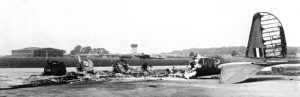
Photo Fortress 27: The remains of Boeing Fortress AN528 after it burned on the ground on 3 July 1941.

Photo Fortress 28:  Boeing Fortress AN531/WP-O seen on its arrival at Nutts Corner (Northern Ireland). No. 90 Squadron had now been disbanded and the aircraft began a new life with No. 220 Squadron, a Coastal Command unit.

Photo Fortress 29: Only two Fortresses were equipped with racks for depth charges for anti-submarine patrols, AN537/NR-L was one of these. Note that the censor has retouched the photo to erase “NR” from No.220 Squadron’s code and aerials. AN537 is probably seen later on when it was performing trials with the CCDU.

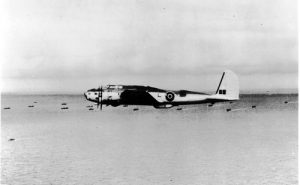
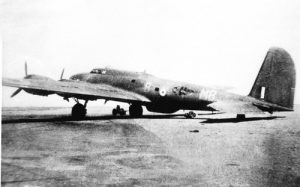
Photo Fortress 30: A nice shot of Boeing Fortress AN532/J in Egypt early in 1942. This Fortress was flown to India in July 1942 and transferred to the USAAF on 1 December of that year. It was then allocated the USAAF serial number 40-2079.

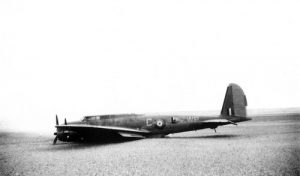
Photo Fortress 31: Boeing Fortress AN529/C lying in the Libyan desert after it ran out of fuel.

Photo Fortress 32: In February 1942, with the disbandment of No .90 Squadron, the detachment had to alter its squadron code from “WP” to “MB”. According to No.220 Squadron’s records, the official date seems to have taken place on 1 February. Consequently AN518 became MB-B.

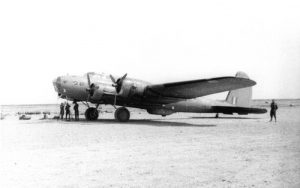
Photo Fortress 33: Four Fortresses were sent to the Middle East and were based at Shallufa in Egypt. However, as in Europe, the results were unsatisfactory.

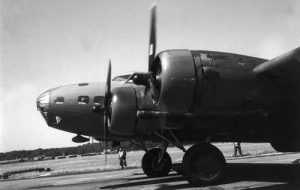
Photo Fortress 34: A close-up of the nose with its American 0.30-in light machine gun, totallly obsolete and inefficient.

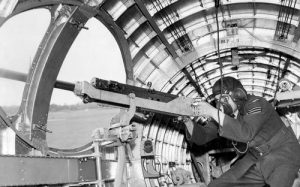
Photo Fortress 35: View of the waist gun position with its 0.50-in gun (left and below left). This heavy machine gun was new to the RAF which appreciated its hitting power.

Volume IV

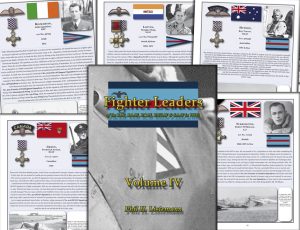
This volume contains the biography of 52 pilots:

P.L.I. Archer (UK), H.T. Armstrong (Aus), R. Bannock (Can), E.G. Barwell (UK), P.R. Barwell (UK), T.A. Brannagan (Can), J.A. Cox (Aus), J.M. Cranstone (NZ), M.B. Czernin (UK), J.J. de Willimoff (NZ), F. Dolezal (Cz), P.H. Dunn (UK), R.S. Easby (UK), Y.P.E. Ezanno (Fr), D.C. Fairbanks (USA), J.P. Falkowski (Pol), B.E. Gale (Aus), J.H. Gaynor (SA), E.D. Glaser (UK), F.G. Grant (Can), F.E. Green (Can), W.J. Harper (UK), J.H. Hill (UK), J.W.E. Holmes (UK), A.U. Houle (Can), R.T. Hudson (Aus), B. Ingham (UK), J.I. Kilmartin (Ire), R.A.I.F. Lallemant (Bel)
D.H. Loftus (SA), A.G. Malan (SA), I.G.S. Matthew (UK), H.C. Mayers (Aus)
G.R. McGregor (Can), A.G. Miller (UK), M.P. Nash (Aus), J.C. Nelson (USA)
J.B. Niven (UK), G. Piltinsgrud (Nor), W. Retinger (Pol), C.H. Saunders (UK)
D.J. Scott (NZ), J.T. Seccombe (SA), G.S. Sharp (NZ), G.D. Stephenson (UK)
E.H. Thomas (UK), J.M. Thompson (UK), A.J. Trumble (UK), R.W. Turkington (UK)
L.C.M. van Eendenburg (NL), D.F. Westernra (NZ), C.V. Winn (UK)

totaling 15 DSOs and 61 DFCs

FL-IV announce

Available as a paperback version as ISBN:

979-1096490-50-9 (standard) or 978-2918590-90-3 (pocket-size)

*******************

HOW TO ORDER:

Send your mailing address  with your phone number in using ‘contact’ button and we will respond with a Paypal request with the following amount:

EU, UK and USA: 18.00 Euros (standard) or 13.00 Euros (pocket-size) postage included

Rest of the World: 20.00 Euros (standard) or 15.00 Euros (pocket-size) postage included

Multiple purchases with combined postage possible.

*********************

pdf, epub and Kindle versions are now available as 978-2918590-91-0 (see below)

SQUADRONS! No.13: The Martin Marauder Mk. I

S-13-PAGE

Even though the history of the Marauder is generally pretty well known, the history of the Marauder Mk.I has been overshadowed for many reasons, the main one being that only 71 Marauders received the designation of Marauder Mk.I. With so few aircraft only one unit could be equipped with this type and this was No. 14 Squadron in the Middle East. Manned by aggressive aircrew, coming from all the Dominions, the Marauder Mk.I was used for two years in the unexpected role of maritime reconnaissance. Sorties were normally flown by a single aircraft and the Marauder Mk.I recorded an impressive record against the Luftwaffe, showing that the aircraft was able to defend itself and was far from being an easy prey, but sustaining heavy losses with 25 aircraft lost on operations. It is a revised edition of Allied Wings #2 publised in 2008 with new photographs and new data added. Forry pages, over thirty photos and 5 colour profiles.

Paperback verions: ISBN 978-2918590-88-0

REVISED May 2019

********************

HOW TO ORDER:

Send your mailing address  with your phone number in using ‘contact’ button and we will respond with a Paypal request with the following amount:

EU, UK and USA: 13.00 Euros postage included

Rest of the World: 15.50 Euros postage included

Multiple purchases with combined postage possible.

********************

PDF is available as ISBN 978-2918590-89-7 (see below)

(new PDF uploaded August 2023)

April 2016: Hawker Hart – 39 photos

Each photograph is offered at a 300dpi res/13x8cm size making them available for a very good quality digital print, but also for Iphone/IPad, smartphone or computer screen (but should convert the image into a jpeg format for doing so)

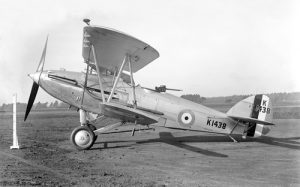
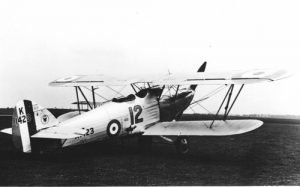
Hawker Hart 01:  Hawker Hart K1438 was retained by Hawker for conversion to Audax prototype.

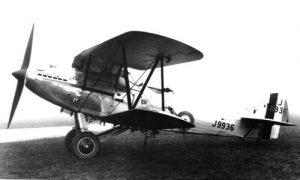
Hawker Hart 02:  Hawker Hart J9936 of No. 33 Sqn in 1930.

Hawker Hart 03:  Hawker Hart K1423 of No. 12 Sqn in 1931. This airframe was struck off charge in June 1940. No. 12 Sqn was the first squadron to receive the Hart.

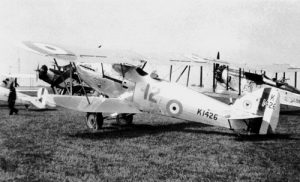
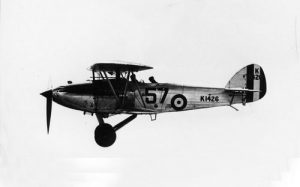
Hawker Hart 04:  Hawker Hart K1426 of No. 12 Sqn in 1931. K1426 served in front-line units until March 1938.

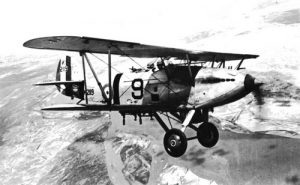
Hawker Hart 05:  Hawker Hart K2119 of No. 11 Sqn in India in 1932.

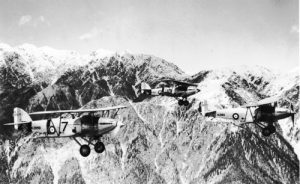
Hawker Hart 06:  Three Hawker Harts of No. 11 Sqn based in India, K2104 leading.

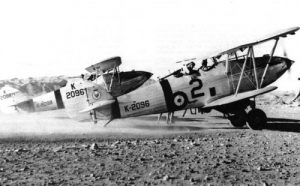
Hawker Hart 07:  Hawker Harts K2096 and K2098 of No. 39 Sqn in 1938.

Hawker Hart 08:  Formation of No. 33 Sqn’s Hawker Harts in 1931, K1430 leading.

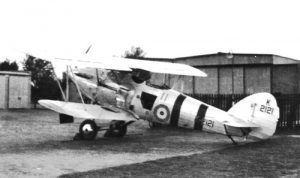
Hawker Hart 09:  Hawker Hart K2121 of No. 11 Sqn.

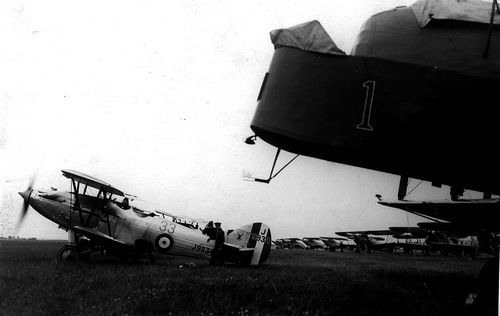
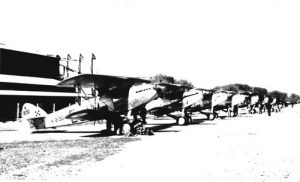
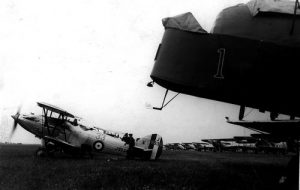
Hawker Hart 10:  Line-up of Hawker Harts of No. 1 SFTS (I) in 1938.

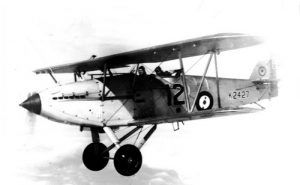
Hawker Hart 11:  Hawker Hart K2427 of No. 12 Sqn.

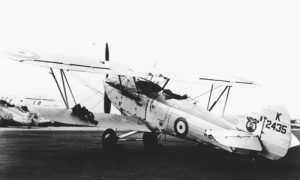
Hawker Hart 12:  Hawker Hart K2435 of No. 605 Sqn in 1933.


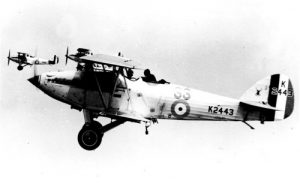
Hawker Hart 13:  Hawker Hart K2443 of No. 33 Sqn.

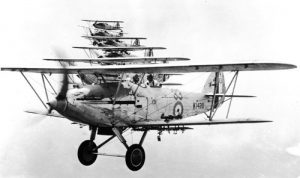
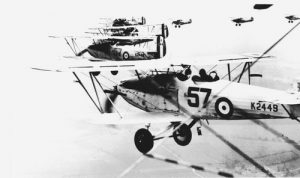
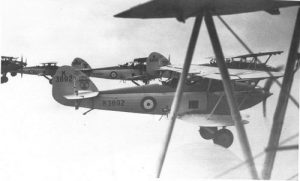
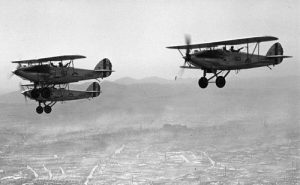
Hawker Hart 14:  Hawker Harts of No. 57 Sqn flying in formation in 1933.

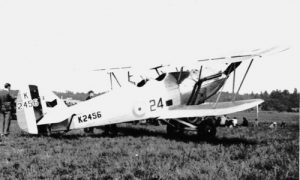
Hawker Hart 15:  Hawker Hart K2456 of No. 24 Sqn in 1933. This aircraft would be victim of an accident on 25.06.35 and would be converted to an instructional airframe.

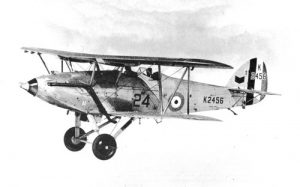
Hawker Hart 16:  Hawker Hart K2456 of No. 24 Sqn seen in flight.

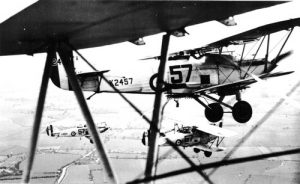
Hawker Hart 17:  Hawker Harts of No. 57 Sqn flying in formation. The 57 was equipped with Harts between October 1931 and May 1936.

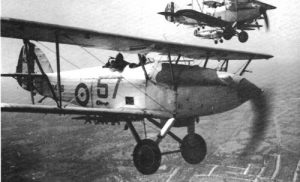
Hawker Hart 18:  See above.

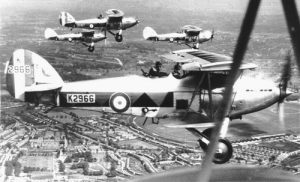
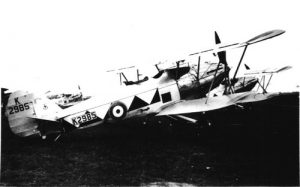
Hawker Hart 19:  Hawker Hart K2966 of No. 601 Sqn in 1933.

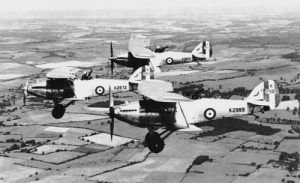
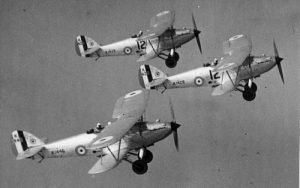
Hawker Hart 20:  Hawker Harts of No. 601 Sqn in flight, K2989 being on the forefront.

Hawker Hart 21:  Hawker Hart K2985 of No. 600 Sqn. This Hart crashed on 18.07.35.

Hawker Hart 22:  Hawker Hart K3001 of No. 24 Sqn in 1935.

Hawker Hart 23:  Hawker Hart K3859 of No. 603 Sqn in 1934.

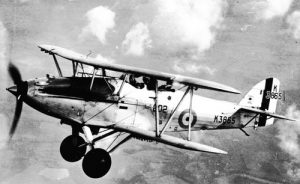
Hawker Hart 24:  Hawker Hart K3865 of No. 602 Sqn.

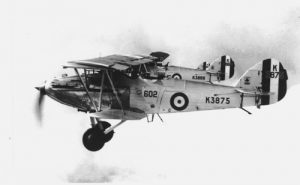
Hawker Hart 25:  Hawker Hart K3875 of No. 602 Sqn.

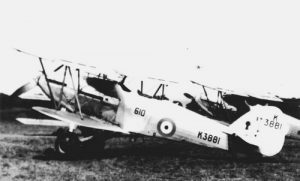
Hawker Hart 26:  Hawker Hart K3881 of No. 610 Sqn.

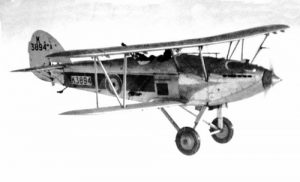
Hawker Hart 27:  Hawker Hart K3894 of No. 604 Sqn.

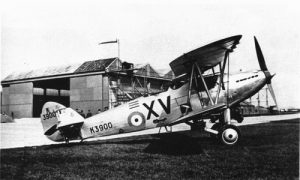
Hawker Hart 28:  Hawker Hart K3900 of No. 15 Sqn in 1934. This Hart was used by the CO.

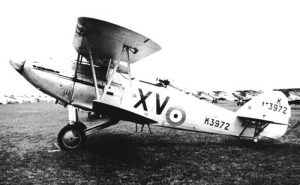
Hawker Hart 29:  Hawker Hart K3972 of No. 15 Sqn.

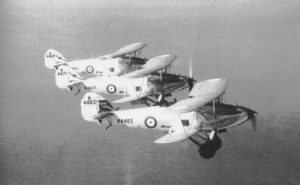
Hawker Hart 30:  Hawker Harts of No. 6 Sqn with K4483 leading.

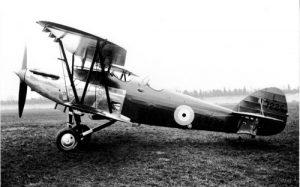
Hawker Hart 31:  Hawker Hart Trainer L7226

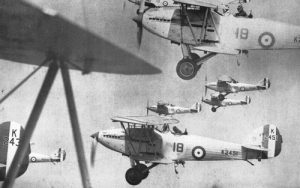
Hawker Hart 32:  Hawker Harts of No. 18 Sqn with K2451 in the forefront

Hawker Hart 33:  Hawker Harts of1 FTS with K3892 in the forefront and K3890 behind

Hawker Hart 34:  Hawker Harts of No. 12 Sqn with K1425 in the forefront


Hawker Hart 35: Hawker Hart K1426 of No. 57 Squadron


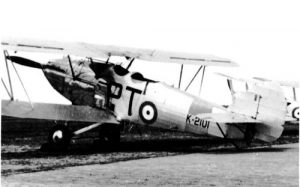
Hawker Hart 36: Hawker Hart K2101 of No. 1 SFTS (India)


Hawker Hart 37: Hawker Hart J9934, No. 33 Sqn


Hawker Hart 38: Hawker Harts K3864, K3876 and K3859 of 603 Sqn


Hawker Hart 39: Hawker Hart K1428, K1429 and K1446 of No. 12 Sqn

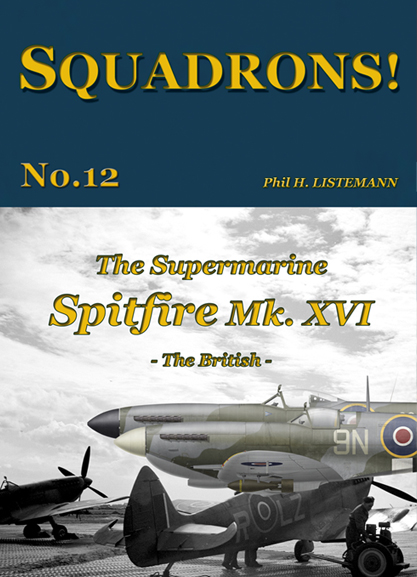
SQUADRONS! No.12: The Supermarine Spitfire Mk. XVI – The British

S-12-PAGE

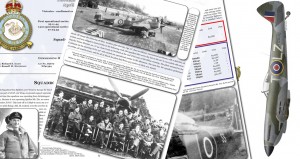
The Spitfire XVI is one of the Spitfire mark to have been so far little covered in depth. It was actually a Mk. IX engined with an American built Packard engine but otherwise it was very familar to a IX. Used in the fighter-bomber role, from the UK with the Fighter Command or from the Continent with the 2 TAF, one of the main task given to the XVI would be the destruction of the V-2 sites located in Holland. This book gives the details of the operations carried out by the British squadrons, Nos. 66, 74, 127, 229, 602 and 603. (post-war usage added in the October version)

Paperback version: ISBN  978-2918590-86-6

Revised edition September 2018, updated October 2021, October 2024 (extended edition)

********************

HOW TO ORDER:

Send your mailing address  with your phone number in using ‘contact’ button and we will respond with a Paypal request with the following amount:

EU, UK and USA: 14.00 Euros postage included

Rest of the World: 16.00 Euros postage included

Multiple purchases with combined postage possible.

********************

PDF is also available (see below 978-2918590-87-3)

(revised PDF uploaded October 2024)