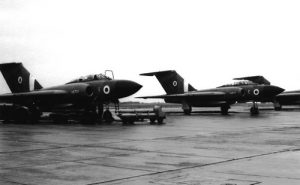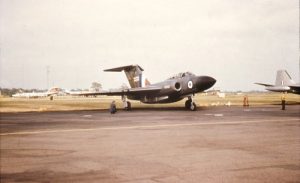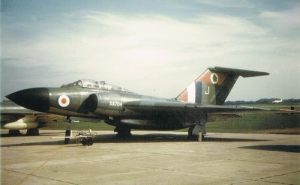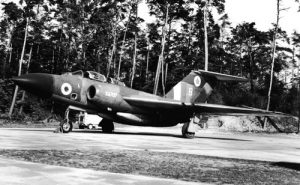
Archives

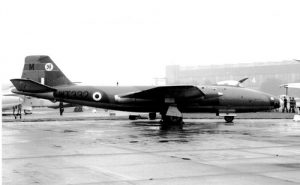
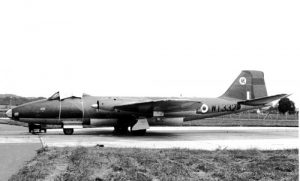
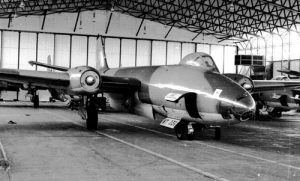
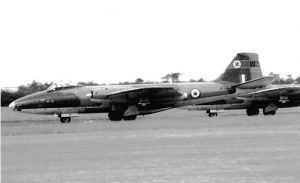
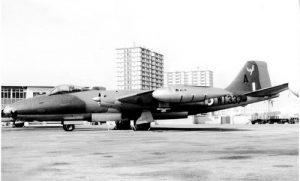
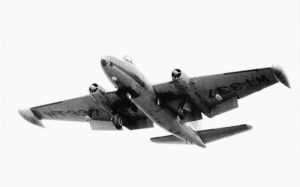
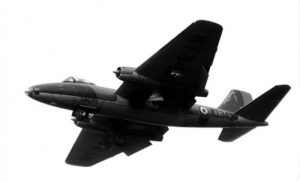
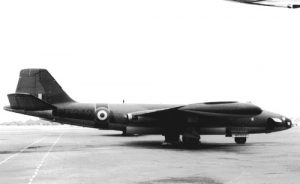
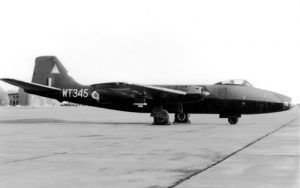
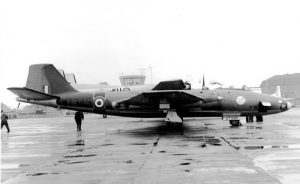
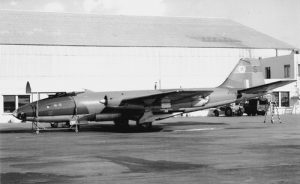
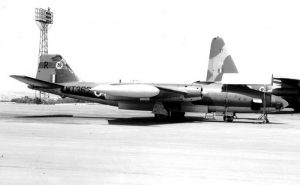
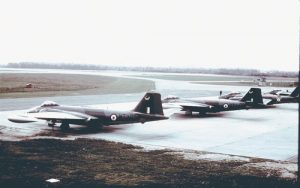
August 2017: English Electric Canberra B(I).8 – Part 2 – 61 photos


Each photograph is offered at a 300dpi res/13x8cm size making them available for a very good quality digital print, but also for Iphone/IPad, smartphone or computer screen (but should convert the image into a jpeg format for doing so)

Part 2 is presenting aircraft from batch XH, XK, XM.

Most of those images can be found in the book: Allied Wings 19

pdf, Epub and Kindle versions are available in this site: 978-2918590-85-9
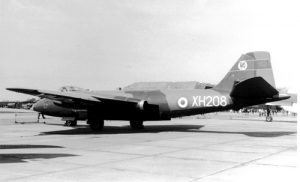
 

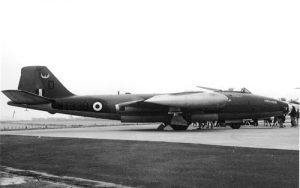
Photo Canberra B (I).8 – 101: Canberra XH208 with the early No. 3 Squadron markings with the black undersurfaces.
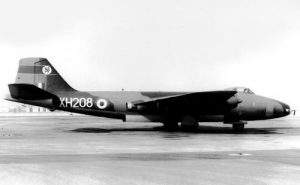
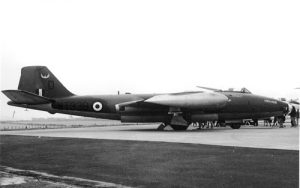
Photo Canberra B (I).8 – 102: The same Canberra, XH208, with the new undersurfaces.
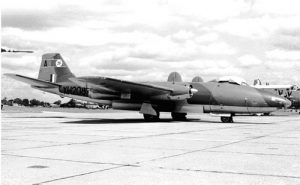
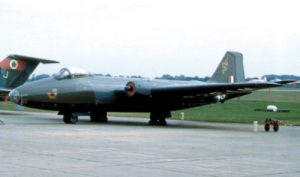
Photo Canberra B (I).8 – 103: Canberra XH208 at the end of its career with No. 3 Sqn and now coded A.
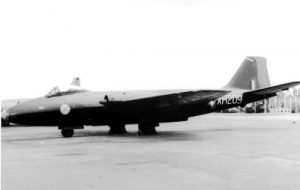
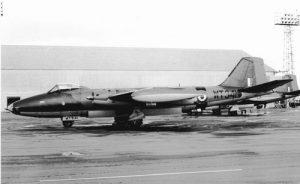
Photo Canberra B (I).8 – 104: Canberra XH209 while serving with No. 16 Sqn on its early days with the black undersurfaces.
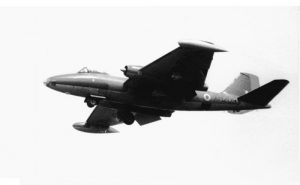
Photo Canberra B (I).8 – 105: Canberra XH209 taken on landing in the mid-1960s.
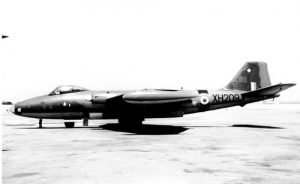
Photo Canberra B (I).8 – 106: Canberra XH209 with the camouflage and markings of the mid-1960s.
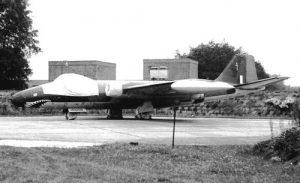
Photo Canberra B (I).8 – 107: Canberra XH209 around 1970, ‘The Saint’ from the famous TV series appeared on many aircraft along with the shark’s mouth on 16 Sqn’s Canberras.
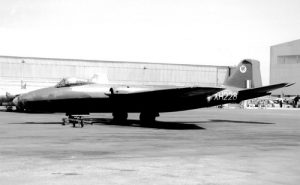
Photo Canberra B (I).8 – 108: Canberra XH228 in early No. 3 Sqn’s markings.
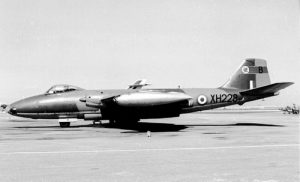
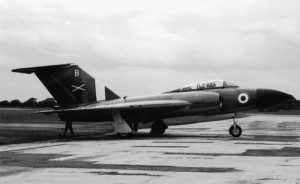
Photo Canberra B (I).8 – 109: Canberra XH228 seen later on with No. 3 Sqn’s markings of the beginning of the 1970’s, and now coded ‘B’.
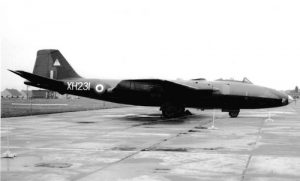
Photo Canberra B (I).8 – 110: Canberra XH231 of No. 59 Sqn…
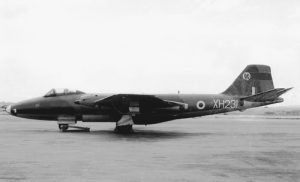
Photo Canberra B (I).8 – 111:..and the same aircraft seen in the middle of the 1960s while serving with No. 3 Sqn.
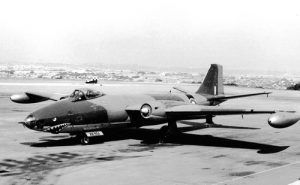
Photo Canberra B (I).8 – 112: Canberra XK951 of No. 16 Sqn with the shark’s mouth introduced at the end of sixties.
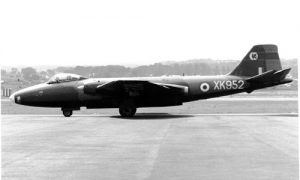
Photo Canberra B (I).8 – 113: Canberra XK952 of No. 3 Sqn.
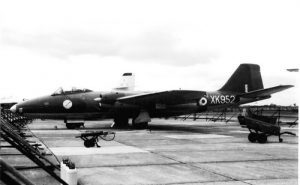
Photo Canberra B (I).8 – 114: Canberra XK952 of No. 16 Sqn.
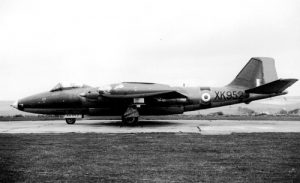
Photo Canberra B (I).8 – 115:
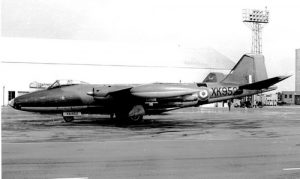
Photo Canberra B (I).8 – 116: Canberra XK952 of No. 3 Sqn at the end of the sixties.
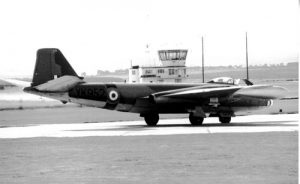
Photo Canberra B (I).8 – 117: Canberra XK952 of No. 3 Sqn at the end of the sixties.
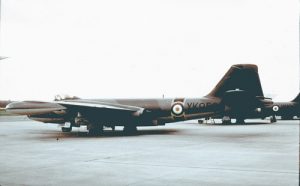
Photo Canberra B (I).8 – 118: Canberra XK952 of No. 3 Sqn at the end of the sixties.
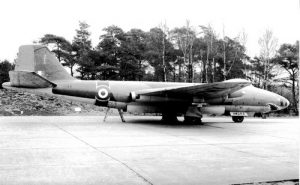
Photo Canberra B (I).8 – 119: Canberra XM244 seen at the end of its carreer, while serving with No. 16 Sqn.
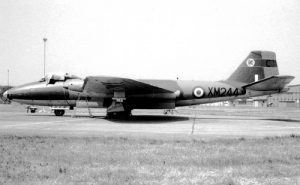
Photo Canberra B (I).8 – 120: Canberra XM244 of No. 3 Sqn and coded ‘C’.
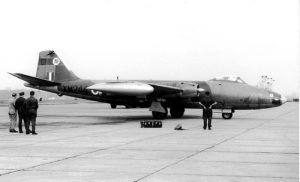
Photo Canberra B (I).8 – 121: Canberra XM244 of No. 3 Sqn and coded ‘C’.
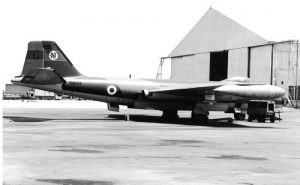
Photo Canberra B (I).8 – 122: Canberra XM244 of No. 3 Sqn and coded ‘C’ with the serial reduced in size.
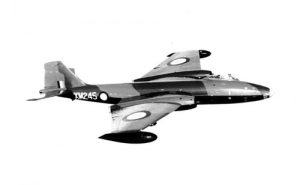
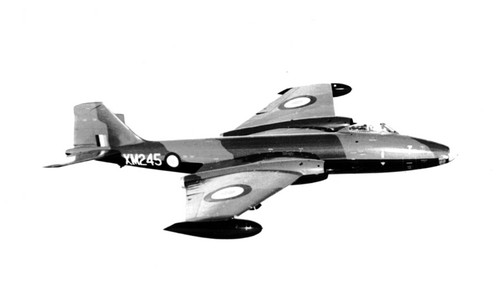
Photo Canberra B (I).8 – 123: Canberra XM245 in flight while at A&AEE at the end of the fifties.
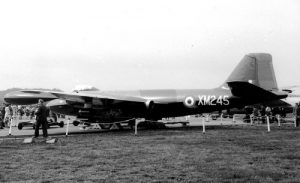
Photo Canberra B (I).8 – 124: The same Canberra XM245 taken on the ground during a display.
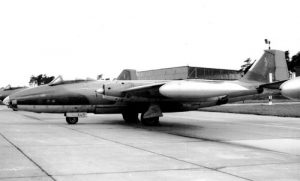
Photo Canberra B (I).8 – 125: Canberra XM245 at the end of its career with No. 16 Sqn in 1971, with ‘The Saint’ painted on the fin. Note the small serial on the fuselage and the worn paint of the serial on the wheel door
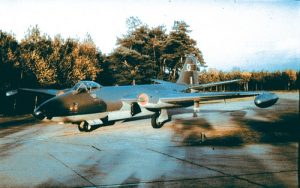
Photo Canberra B (I).8 – 126: Canberra XM245 in 3 Sqn markings and coded ‘D’ in 1970
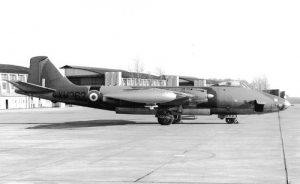
Photo Canberra B (I).8 – 127: Canberra XM262 of No. 16 Sqn with the small squadron crest painted under the nose.
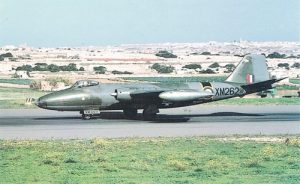
Photo Canberra B (I).8 – 128: Canberra XM262 of No. 16 Sqn.
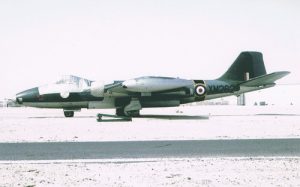
Photo Canberra B (I).8 – 129: Canberra XM262 of No. 16 Sqn.
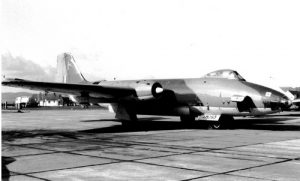
Photo Canberra B (I).8 – 130: Canberra XM263 of No. 16 sqn with ‘The Saint’ painted on the fin.
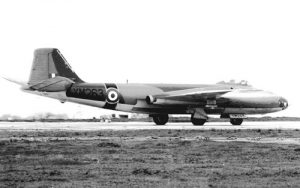
Photo Canberra B (I).8 – 131: two views (with photo 132) of Canberra XM263 in 16 Sqn markings, the unit with which XM263 spent most of its career. Above, around 1966 and, below, in 1970 with the small serial painted on the fuselage and the ‘The Saint’ insignia on the tail.
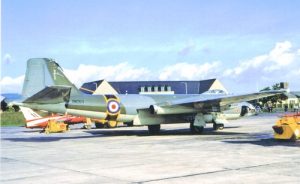
Photo Canberra B (I).8 – 132: See photo 131.
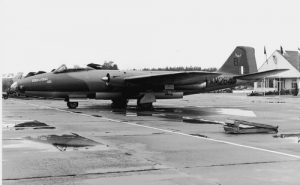
Photo Canberra B (I).8 – 133: Canberra XM264 of No. 14 Sqn, coded ‘B’ on the ground.
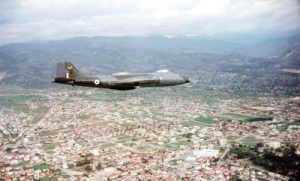
Photo Canberra B (I).8 – 134: Canberra XM264 of No. 14 Sqn, coded ‘B’ in flight.
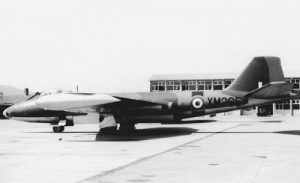
Photo Canberra B (I).8 – 135: Canberra XM265 of 16 Sqn in the middle of the sixties
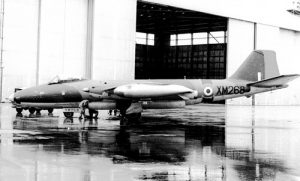
Photo Canberra B (I).8 – 136: Canberra XM268 seen while in service with 16 Sqn. Below, in the beginning of the sixties with the black undersurfaces and, above, with the markings adopted in the middle of the sixties when the silver replaced the black paint.
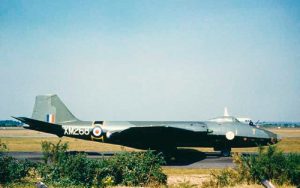
Photo Canberra B (I).8 – 137: Canberra XM268. See photo 136.
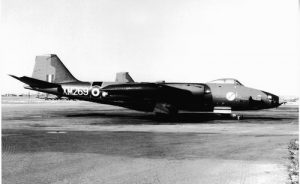
Photo Canberra B (I).8 – 138: The early days and the final days. Canberra XM269 with 16 Sqn in 1965 above and, below, in 1971 with the shark’s mouth and ‘The Saint’ insignia.
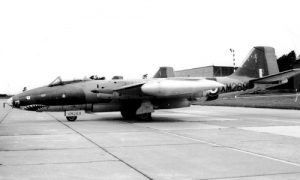
Photo Canberra B (I).8 – 139: Canberra XM269. See photo 138.
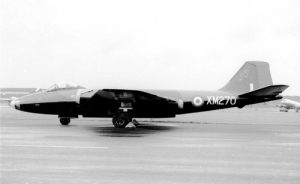
Photo Canberra B (I).8 – 140: Photos of Canberras of 88 Sqn are not that common and less so with the squadron’s snake on the fin as seen on XM270.
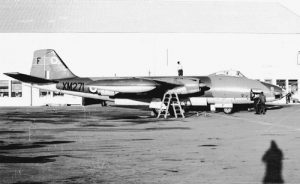
Photo Canberra B (I).8 – 141: Late markings worn by Canberra XM271 while with 3 Sqn in 1969.
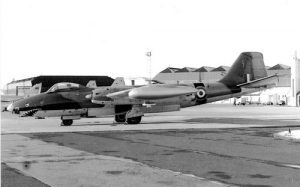
Photo Canberra B (I).8 – 142: For less than a year, between 1971 and 1972, Canberra XM271 served with 16 Sqn. At that time, the unit was easily identifiable with the shark’s mouth and ‘The Saint’ on the fin.
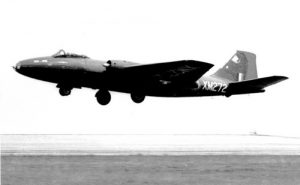
Photo Canberra B (I).8 – 143: Wearing 14 Sqn markings, this photo can be easily dated between December 1962 and September 1963 before Canberra XM272 was passed on to 16 Sqn.
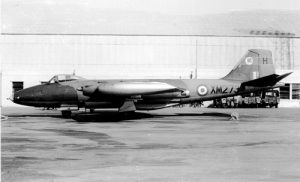
Photo Canberra B (I).8 – 144: Canberra XM273 win 3 Sqn markings at the end of the sixties. XM273 received the individual letter ‘H’.
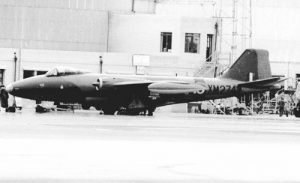
Photo Canberra B (I).8 – 145: Canberra XM274 of 16 Sqn with the standard fuselage band and the squadron crest under the cockpit.
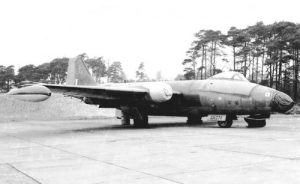
Photo Canberra B (I).8 – 146: Canberra XM274 after it had been withdrawn from use. While the insignia ‘The Saint’ is painted on the fin, the shark’s mouth is absent.
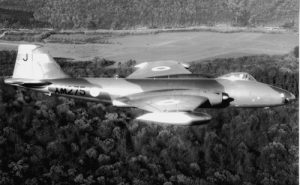
Photo Canberra B (I).8 – 147: Nice photo of Canberra XM275 in flight while serving with 3 Sqn. The serial is still black but the individual letters have made their appearance.
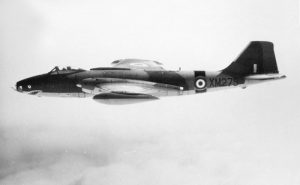
Photo Canberra B (I).8 – 148: Another view of Canberra XM275 in flight.
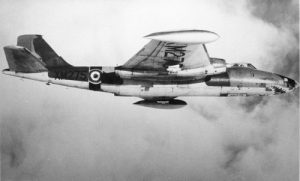
Photo Canberra B (I).8 – 149: Another view of Canberra XM275 banking to the left.
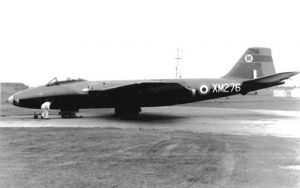
Photo Canberra B (I).8 – 150: Canberra XM276 of 3 Sqn with the first markings and black undersurfaces.
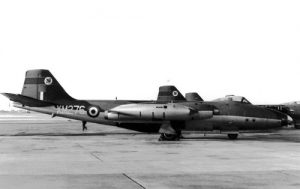
Photo Canberra B (I).8 – 151: Canberra XM276 still with No. 3 Sqn, but with the black undersurfaces re-painted. Note the large size white serial painted on the fuselage.
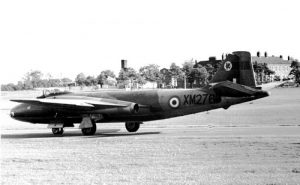
Photo Canberra B (I).8 – 152: Canberra XM276 of 3 Sqn with now the serial painted in black.
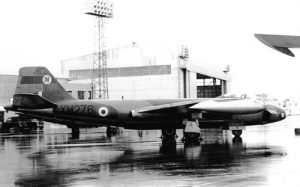
Photo Canberra B (I).8 – 153: Another view of Canberra XM276 of No. 3 Sqn.
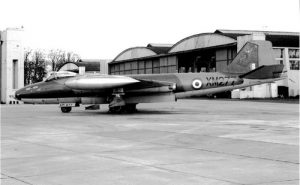
Photo Canberra B (I).8 – 154: Canberra XM277 taken after its return to 14 Sqn in 1967. Note the letter ‘P’ painted on the fin just below the squadron insignia.
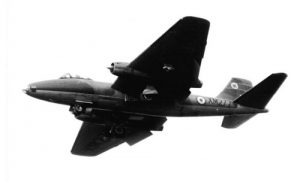
Photo Canberra B (I).8 – 155: Canberra XM277, while with 3 Sqn this time, coded ‘H’. This letter was taken over by XM273 on 28 October 1971.
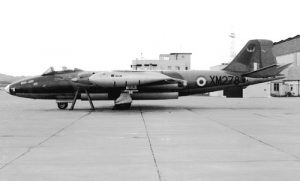
Photo Canberra B (I).8 – 156: Canberra XM278 of No. 14 Sqn.
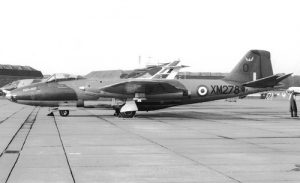
Photo Canberra B (I).8 – 157: Canberra XM278 of No. 14 Sqn, coded ‘O’.
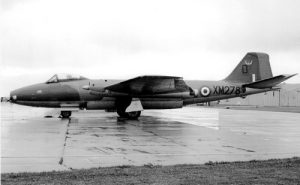
Photo Canberra B (I).8 – 158: Another view of XM278/O of No. 14 Sqn.
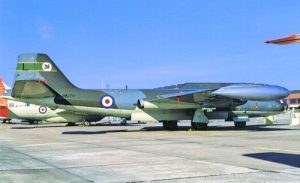
Photo Canberra B (I).8 – 159: Canberra XM279 seen at the end of its career with 3 Sqn, coded ‘L’. Note the small serial.
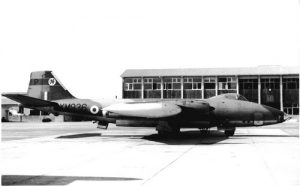
Photo Canberra B (I).8 – 160: Right side view of Canberra XM936/P of No. 3 Sqn.
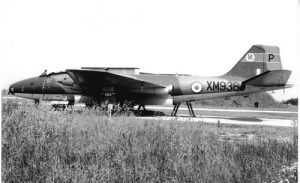
Photo Canberra B (I).8 – 161: Left side view of Canberra XM936/P of No. 3 Sqn.
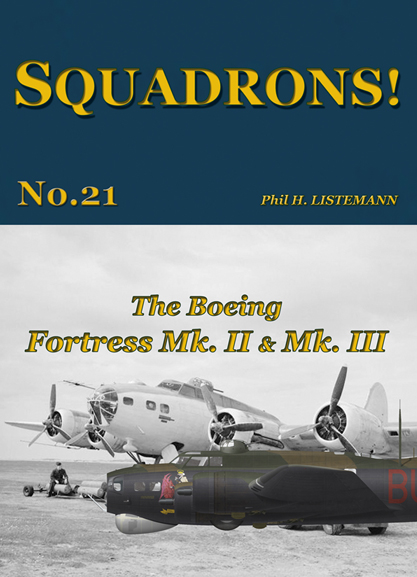
SQUADRONS! No.21: The Boeing Fortress Mk II & Mk III

The Fortress Mk.II and Mk.III were the equivalent of the USAAF’s B-17E/F and G. The Fortress Mk.I was the B-17C as featured in ‘SQUADRONS! No. 4’. The Fortress Mk.I was only used in small numbers (20), but, for the British, it was the first step leading to the large scale introduction of the Fortress to Bomber Command. But that never happened and all the orders were consequently cancelled after the experiment of the Fortress Mk I. However, the RAF found a second interest in the Fortress while the Battle of the Atlantic was raging. Indeed in the meantime, trials of the Fortress in Coastal Command proved satisfactory and, as this Command was looking for long-range land-based patrol aircraft, the Fortress was requested to equiq some Coastal Command squadrons. Later in the war, the Fortress would return in the Bomber Command acting as an ECM aircraft from 1944 until the end of the war, while some others would be used by the Meteorological squadrons by 1945. The operational usage of the Fortress II and III in the RAF is here told in 70 pages, illustrated with 50 photographs and 6 colour profiles. The unexpected usage of the Fortress of the RCAF between 1944 and 1946 is also included in this study.

 Paperback version is available with ISBN 979-1096490-10-3

**********************

HOW TO ORDER:

Send your mailing address  with your phone number in using ‘contact’ button and we will respond with a Paypal request with the following amount:

EU, UK and USA: 18.50 Euros postage included

Rest of the World: 20.50 Euros postage included

Multiple purchases with combined postage possible.

********************

Pdf is also available under ISBN 979-1096490-11-0

(new PDF uploaded September 2023)

June 2017: English Electric Canberra B(I).8 – Part 1 – 50 photos

Each photograph is offered at a 300dpi res/13x8cm size making them available for a very good quality digital print, but also for Iphone/IPad, smartphone or computer screen (but should convert the image into a jpeg format for doing so)

Part 1 is presenting aircraft from batch WT and the prototype.

Most of those images can be found in the book: Allied Wings 19

pdf, Epub and Kindle versions are available in this site: 978-2918590-85-9


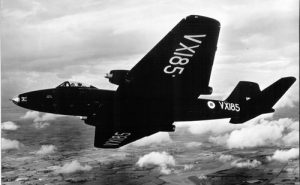
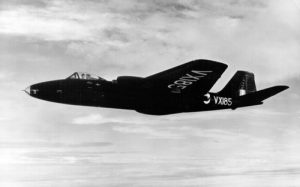
Photo Canberra B (I).8 – 01: The prototype of the B(I)8, VX185, seen on the ground showing the new nose and new shape given to the Canberra.

Photo Canberra B (I).8 – 02: Canberra VX185 showing off its new lines while banking to the right.

Photo Canberra B (I).8 – 03: Canberra VX185 taken during one of the test flights.

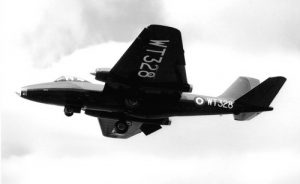
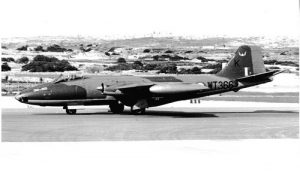
Photo Canberra B (I).8 – 04: Canberra WT328 taken while landing showing its black undersurfaces and white serials. This was the first camouflage painted on the Canberra B(I)8 when they were delivered to the RAF. WT328 was never issued to an RAF squadron.

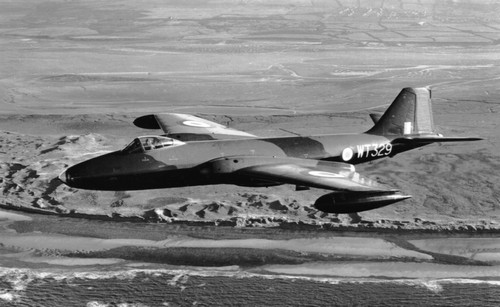
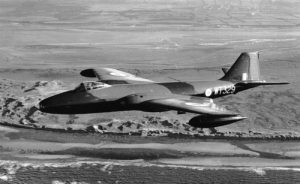
Photo Canberra B (I).8 – 05: Canberra B(I).8 WT329 was never issued to any squadron and flew various trials with the RAF before being modified as a B(I) Mk.12 for the RNZAF.

Photo Canberra B (I).8 – 06:  Canberra B(I).8 WT332 of No. 3 Sqn with the letter M painted on the tail in 1971.

Photo Canberra B (I).8 – 07: Another view of WT332.

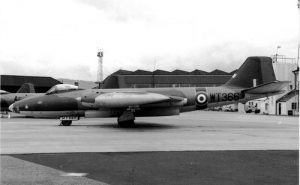
Photo Canberra B (I).8 – 08: Canberra B(I).8 WT332 seen while serving with 3 Sqn (easily identifiable by the green band on the tail and the squadron’s emblem located forward of that). The silver undersides were introduced during the mid-sixties and the serials painted in black.

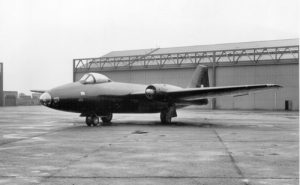
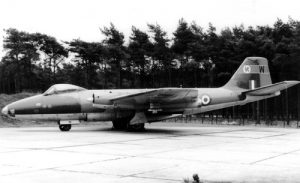
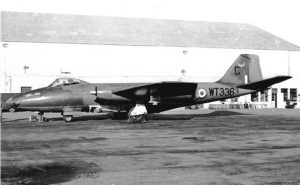
Photo Canberra B (I).8 – 09: Canberra B(I).8 WT336 seen in a hangar.

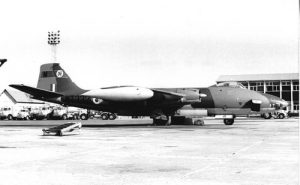
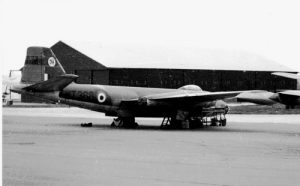
Photo Canberra B (I).8 – 10: Canberra B(I).8 WT336 served in the early 1970s with 3 Sqn and received the full squadron markings. Note the individual letter painted on the nose wheel door and that the serial is now painted in small letters on the fuselage. (see also photo 11 below)

Photo Canberra B (I).8 – 11: see above.

Photo Canberra B (I).8 – 12: Canberra B(I).8 WT336 of 14 Sqn in 1969-70. Note the squadron’s emblems on the tail and nose.

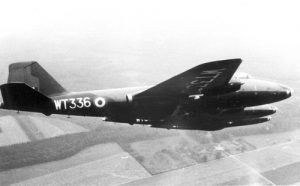
Photo Canberra B (I).8 – 13: Canberra B(I).8 WT336 een in flight early in its career with the black undersurfaces.

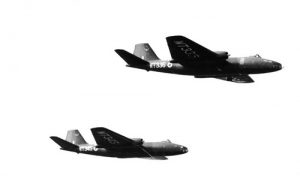
Photo Canberra B (I).8 – 14: Two Canberra B(I)8s of 14 Sqn flying low during the early stages of their career as shown the black undersides. They are WT336 and WT345.

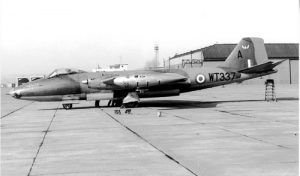
Photo Canberra B (I).8 – 15: Two side views of Canberra B(I). 8 WT337 (see below photo 16) while in service with 14 Sqn. Note that the photographs seem to be similar but note that the squadron’s emblems are not painted on the nose in the upper photograph, which was taken in 1968, while the one below was taken in 1970.

Photo Canberra B (I).8 – 16: see above.

Photo Canberra B (I).8 – 17: Canberra B(I).8 WT337 is seen landing and showing its silver undersides and serials.

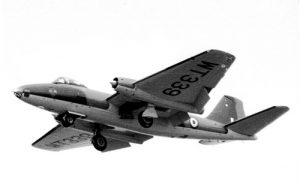
Photo Canberra B (I).8 – 18: Canberra B(I).8 WT339, taken before being passed to 3 Sqn, with no markings visible but with the serial painted in small letters on the fuselage

Photo Canberra B (I).8 – 19: Canberra B(I).8 WT339 seen in full 14 Sqn markings in 1969 and the individual letter ‘D’


Photo Canberra B (I).8 – 20: Another side view of WT339/D of No. 14 Sqn.

Photo Canberra B (I).8 – 21: With the snake on the fin, this Canberra B(I).8, WT339, belongs to 88 Sqn.

Photo Canberra B (I).8 – 22: two photos (with photo 23) of WT340 while in service with 16 Sqn. Above, wearing the markings in force in the mid-sixties when the undersides became silver. Note the fuselage band typical of the squadron’s Canberras with the unit’s emblem on the nose. Below, the same aircraft taken in 1970 with some changes regarding the markings. The serial is painted on the nose wheel door and the squadron crest has replaced the previous emblem.

Photo Canberra B (I).8 – 23: see above

Photo Canberra B (I).8 – 24: Canberra B(I).8 WT341 seen in 1969 in 16 Sqn markings in use at that time: black outlined yellow band on the fuselage and the squadron crest under the cockpit.

Photo Canberra B (I).8 – 25: Canberra B(I).8 WT342 taken in the final for landing.

Photo Canberra B (I).8 – 26: Canberra B(I).8 WT342 of 16 Sqn in 1968. Note that the crest was present on both sides of the fuselage under the cockpit

Photo Canberra B (I).8 – 27: Canberra B(I).8 WT345, in the early stages of its career, flying with 59 Sqn which was using a black exclamation mark in an red outlined white triangle (just like the road sign!).

Photo Canberra B (I).8 – 28: Later on, Canberra B(I).8 WT345 served with 16 Sqn and is seen here in 1967.

Photo Canberra B (I).8 – 29: By the end of the career of the Canberra B(I).8, the size of the serial painted on the fuselage was reduced as can be seen on WT346 of 3 Sqn in 1971.

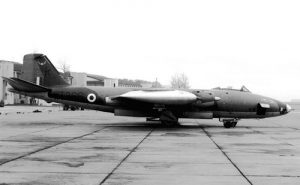
Photo Canberra B (I).8 – 30: Canberra B(I).8 WT346/F of No. 14 Sqn seen while parked.

Photo Canberra B (I).8 – 31: Canberra B(I). 8 WT347 seen in 1968 with the full 14 Sqn markings. It was allocated the letter ‘N’ within the squadron.

Photo Canberra B (I).8 – 32:  Canberra B(I). 8 WT347 landing with the flaps down and displaying its undersurfaces.

Photo Canberra B (I).8 – 33: Canberra B(I).8 WT362 spent most of its career with 14 Sqn. It is seen here in the beginning of the 1960s still with the undersides painted in semi-matt black. Note the squadron’s emblem on the fin.

Photo Canberra B (I).8 – 34: Two photos of Canberra B(I).8 WT362 in full 14 Sqn markings at the end of the sixties. The two images are similar but note that on the upper photo, the engine intake is painted (probably in red). See also phot 35 below.

Photo Canberra B (I).8 – 35: see above.

Photo Canberra B (I).8 – 36: Eventually, Canberra B(I). 8 WT362 ended its career with 3 Sqn and was coded ‘R’. This photo was taken in 1970.

Photo Canberra B (I).8 – 37: Canberra B(I).8 WT362 of No. 14 Sqn in the forefront seen at dispersal.

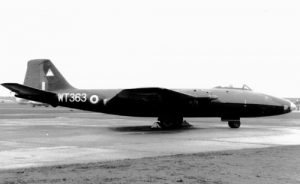
Photo Canberra B (I).8 – 38: Canberra B(I).8 WT363 was first issued to 59 Sqn and carried the ‘danger ahead’ road sign marking.

Photo Canberra B (I).8 – 39: Canberra B(I).8 WT363 while serving with 14 Sqn at the end of its career, seen here in 1968, coded ‘H’.

Photo Canberra B (I).8 – 40: If Canberra B(I).8 WT364 served with 3 Sqn for most of the sixties, it received the individual letter ‘N’ in the last years of the decade. This photo was taken in 1969.

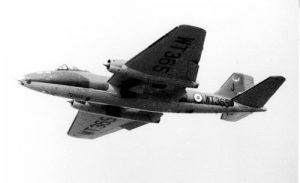
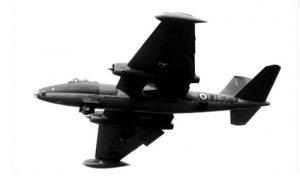
Photo Canberra B (I).8 – 41: Canberra B(I).8 WT365 spent most of its career with 14 Sqn and it is shown here in full squadron markings. By the end of its career with 14, it was allocated the
individual letter ‘J’. See also below.

Photo Canberra B (I).8 – 42: See above.

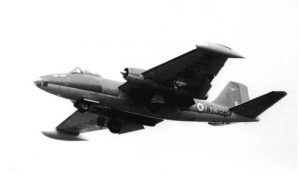
Photo Canberra B (I).8 – 43: Canberra B(I).8 WT365 seen on take off displaying its undersurfaces and serial.

Photo Canberra B (I).8 – 44: Various views (photos 44  to 49) of Canberra (B).8 WT366 during its time service with 14 Sqn by the end of which it was coded ‘K’. It wears the full squadron markings on the tail and nose.

Photo Canberra B (I).8 – 45: See above

Photo Canberra B (I).8 – 46: See photo 44

Photo Canberra B (I).8 – 47: See photo 44

Photo Canberra B (I).8 – 48: See photo 44

Photo Canberra B (I).8 – 49: See photo 44

Photo Canberra B (I).8 – 50: Canberra B(I).8 WT368 served only a few weeks with 3 Sqn so it was very lucky to get a photo of it in the unit’s markings.

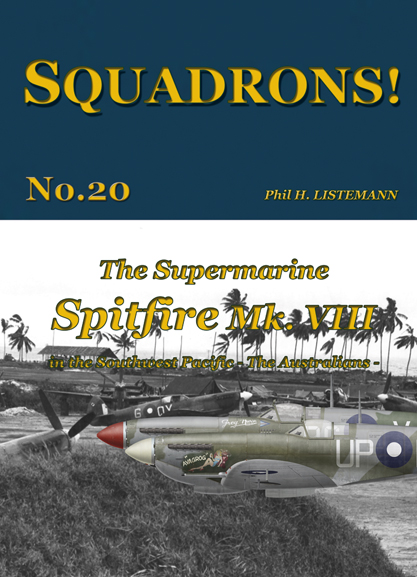
SQUADRONS! No.20: The Spitfire Mk. VIII in the Southwest Pacific – The Australians

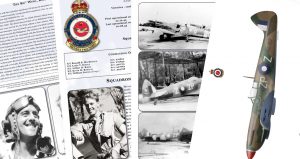
Designed before the Mk. IX, but following it into service because its radical design changes would have meant production delays when time was of the essence, the Spitfire Mk. Vlll was in fact a non-pressurised version of the Mk. VII designed for low altitude combat (see SQUADRONS! No. 6). At the outset it was the designated successor to the Mk. V, the replacement of which was planned from 1943 onwards but when it became available the Mk. IX had recently entered service with Fighter Command and appeared to have a bright future. Therefore, the RAF decided to retain the Mk. VIII for overseas theatres – the Mediterranean, Far East and the Pacific – where the replacement of the Spitfire Mk. V had become a necessity. One fourth of the production will reach the Southwest Pacific, and this volume focuses on the usage made by the three RAAF squadrons, Nos. 79, 452 and 457. Close to seventy photographs (including three in colour) and eight colour profiles. The story of the British squadrons in the SWPac is told in SQUADRONS! No. 14.


Available as a paperback version as 979-1096490-08-0

**********************

HOW TO ORDER:

Send your mailing address  with your phone number in using ‘contact’ button and we will respond with a Paypal request with the following amount:

EU, UK and USA: 14.50 Euros postage included

Rest of the World: 17.50 Euros postage included

Multiple purchases with combined postage possible.

********************

pdf, epub and Kindle versions are available with ISBN 979-1096490-09-7 (see below).

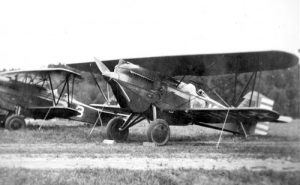
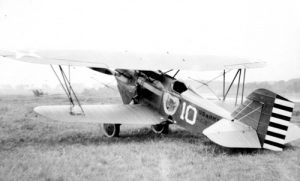
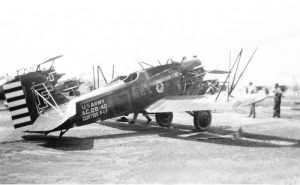
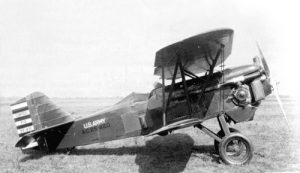
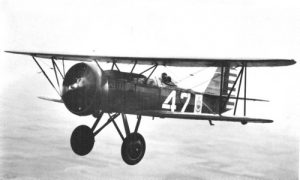
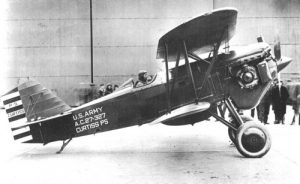
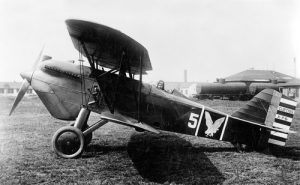
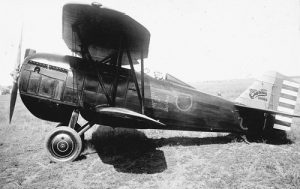
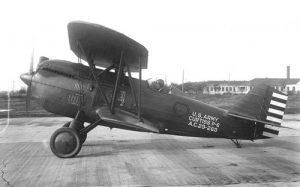
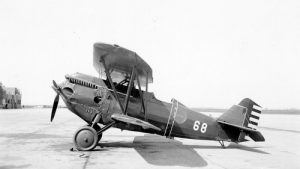
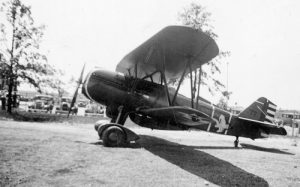
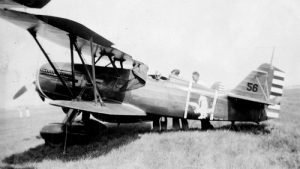
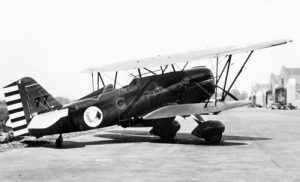
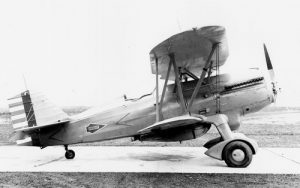
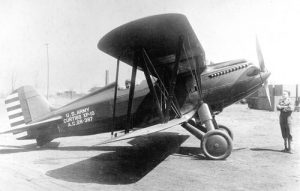
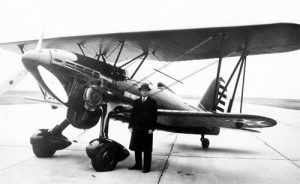
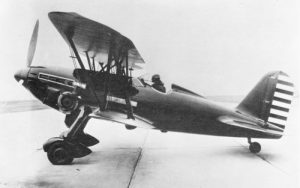
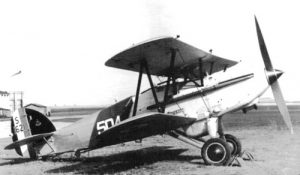
May 2017: Curtiss biplane fighters (P-1 to P-23) – 24 photos

Each photograph is offered at a 300dpi res/13x8cm size making them available for a very good quality digital print, but also for Iphone/IPad, smartphone or computer screen (but should convert the image into a jpeg format for doing so)

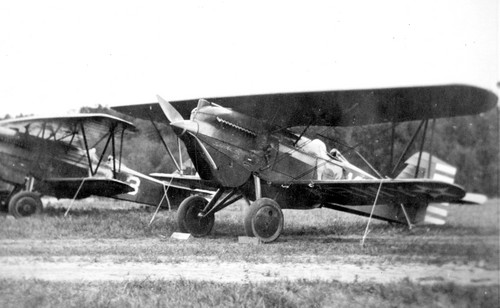
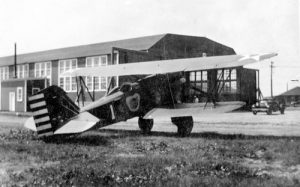
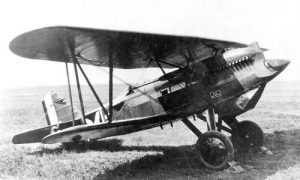
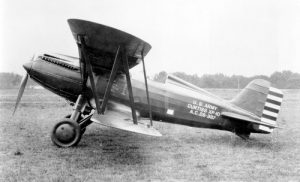
Photo 01: Curtiss P-1 of the 27th PS/1st PG

Photo 02: Curtiss P-1 of the 17th PS/1st PG

Photo 03: Curtiss P-1B of the 27th PS/1st PG

Photo 04: Curtiss P-1B of the 27th PS/1st PG

Photo 05: Curtiss P-1F s/n 28-42 of 43rd Squadron of Kelly Field.

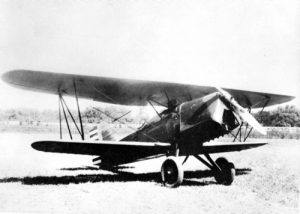
Photo 11: Curtiss P-2 s/n 25-420, the first of the five built.

Photo 21: Curtiss P-3, one of the five built (26-300, 26-189/293)

Photo 31: Curtiss P-5 s/n 27-327, the first of the five built.

Photo 41: The Curtiss XP-6 (25-423) which was designed frome a Curtiss P-2 airframe.

Photo 42: The Curtiss XP-6B (29-529) was a P-1C modified.

Photo 43:  Curtiss P-6 26-260, the first production aircraft later converted to a P-6A

Photo 44: A Curtiss P-6D, which had a three-blade propeller.

Photo 45: A Curtiss P-6E of the 17th PS/1st PG in 1934 (code 77). The P-6E was the variant the most buit with 46 copies.

Photo 46: Another Curtiss P-6E of the 17th PS/1st PG (coded 56)

Photo 47: A Curtiss P-6E of 94th PS/1st PG

Photo 48: A Curtiss P-6E serving as liason aircraft at Wright-Petterson field.

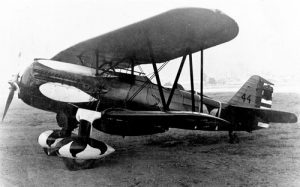
Photo 49: Another P-6E of the 17th PS/1st PG (coded 44).

Photo 61: Left side view of the sole Curtiss XP-10 (28-387)

Photo 62: Right side view of the Curtiss XP-10 (28-387)

Photo 71: Curtiss XP-17 was built from a P-1 but didn’t enter production.

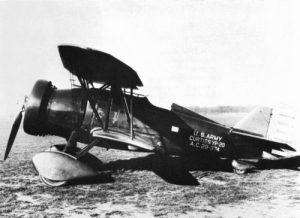
Photo 81: Curtiss YP-20 s/n 29-374, the sole of its kind.

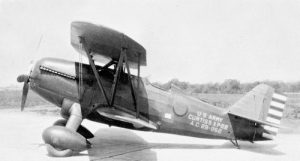
Photo 85: Curtiss YP-22 s/n 29-262, the sole of its kind.

Photo 91: Curtiss YP-23 was built from a P-6E.

Photo 92: Side view of the YP-23

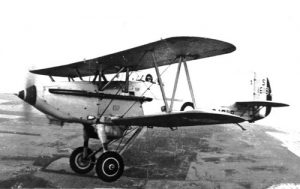
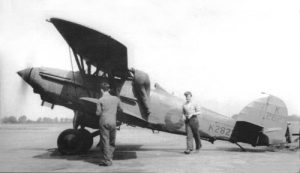
April 2017: Hawker Nimrod – 20 photos

Each photograph is offered at a 300dpi res/13x8cm size making them available for a very good quality digital print.

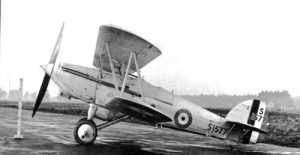
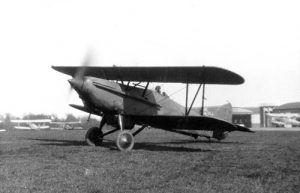
Nimrod 01: The Hawker Nimrod S1577, the first Nimrod used for trials.

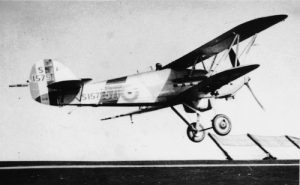
Nimrod 02: Hawker Nimrod S1579 of No. 408 Flight about to deck land.

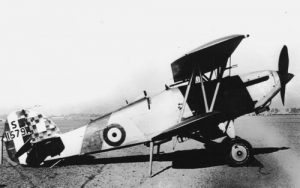
Nimrod 03: Hawker Nimrod S1579 of No. 408 Flight.

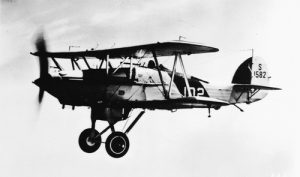
Nimrod 04: Hawker Nimrod S1582 of No. 800 Sqn.

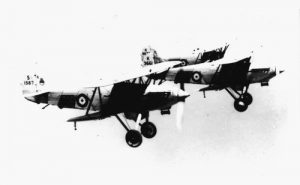
Nimrod 05: Hawker Nimrod S1587 and K3661 (leading) of No. 802 Sqn.

Nimrod 06: Hawker Nimrod S1618 of the Base Training Squadron of Leuchars.

Nimrod 07: Hawker Nimrod S1621 of No. 800 Sqn.

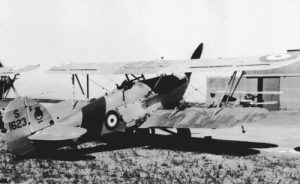
Nimrod 08: Hawker Nimrod S1623 of No. 802 Sqn.

Nimrod 09: Hawker Nimrod S1635 of No. 800 Sqn.

Nimrod 10: Hawker Nimrod K2823 while being tested at No. 17 Sqn in 1938.

Nimrod 11: Another view of K2823.

Nimrod 12: Hawker Nimrod K2840 of No. 800 Sqn.

Nimrod 13: Hawker Nimrod K2912 of No. 800 Sqn.

Nimrod 14: Hawker Nimrod K3656 of No. 802 Sqn.

Nimrod 15: Hawker Nimrod K4620 of No. 801 Sqn in flight.

Nimrod 16: Another view of Hawker Nimrod K4620 of No. 801 Sqn.

Nimrod 17:  Hawker Nimrod K5057 of No. 800 Sqn.

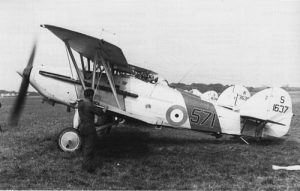
Nimrod 18:  Hawker Nimrod S1637 of No. 802 Sqn.

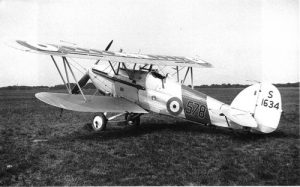
Nimrod 19:  Hawker Nimrod S1634 of No. 802 Sqn.

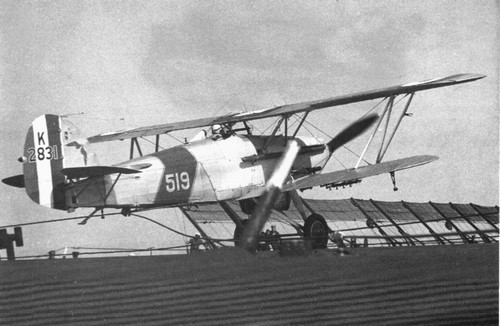
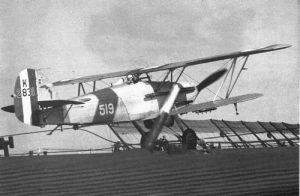
Nimrod 20:  Hawker Nimrod K3831 of No. 802 Sqn on HMS Furious.

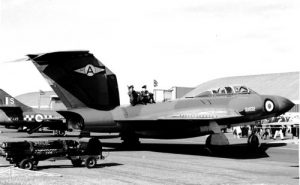
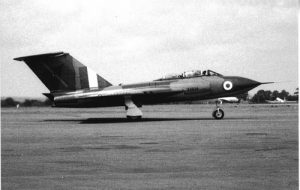
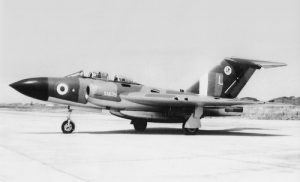
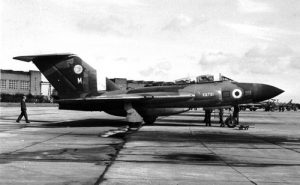
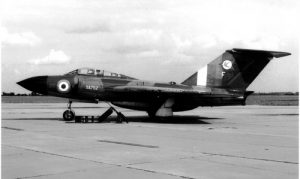
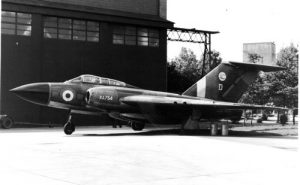
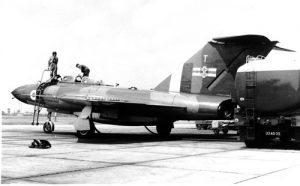
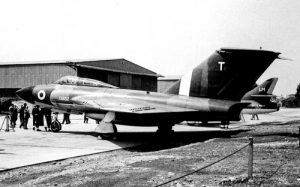
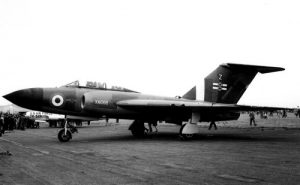
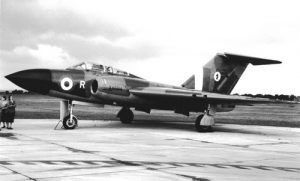
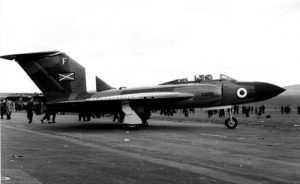
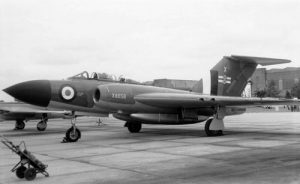
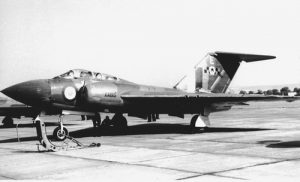
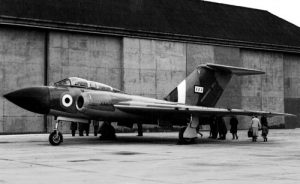
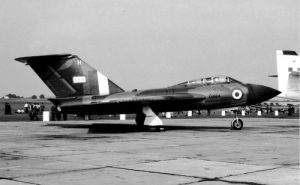
March 2017: Gloster Javelin FAW.4, FAW.5 & FAW.6 – 41 photos

EEach photograph is offered at a 300dpi res/13x8cm size making them available for a very good quality digital print, but also for Iphone/IPad, smartphone or computer screen (but should convert the image into a jpeg format for doing so)

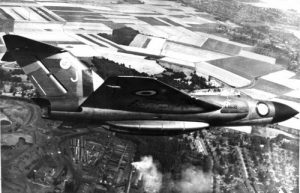
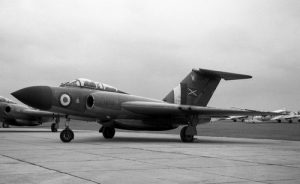
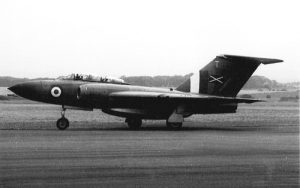
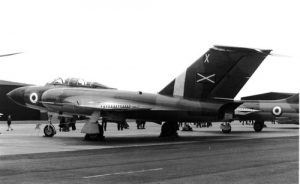
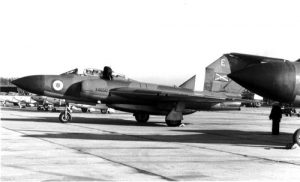
Photo 01: Gloster Javelin FAW.4 XA632/A of No. 11 Sqn.

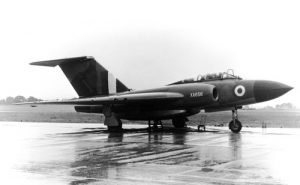
Photo 02: Gloster Javelin FAW.4 XA634 used by Gloster for trials and was never issued to any RAF units.

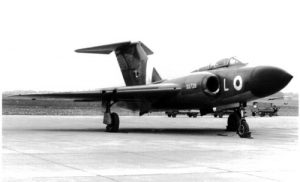
Photo 03: Gloster Javelin FAW.4 XA635/L of No. 3 Sqn.
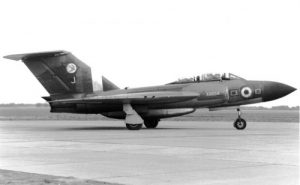
Photo 04: Gloster Javelin FAW.4 XA638/J of No. 3 Sqn.
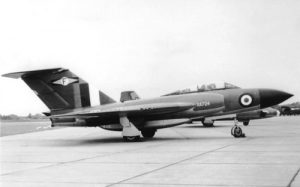
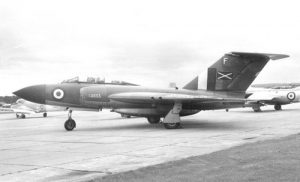
Photo 05: Gloster Javelin FAW.4 XA724/F of No. 11 Sqn.

Photo 06: Gloster Javelin FAW.4 XA728/J of No. 23 Sqn.
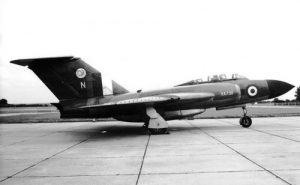
Photo 07: Gloster Javelin FAW.4 XA730/N of No. 72 Sqn.
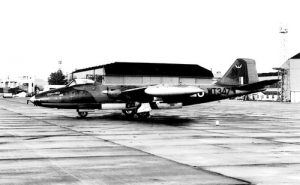
Photo 08: Gloster Javelin FAW.4 XA731/M of No. 72 Sqn.
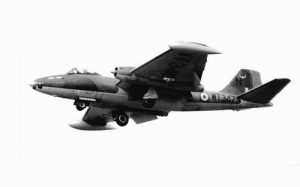
Photo 09: Gloster Javelin FAW.4 XA752/F of No. 72 Sqn.
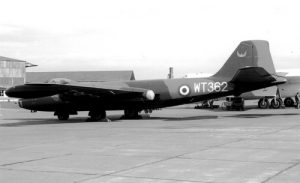
Photo 10: Gloster Javelin FAW.4 XA754/D of No. 72 Sqn.
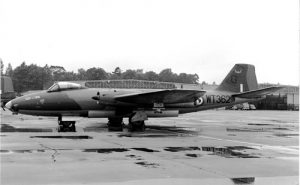
Photo 11: Gloster Javelin FAW.4 XA756/T of No. 41 Sqn.
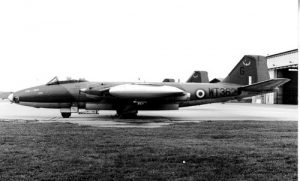
Photo 12: Gloster Javelin FAW.4 XA758/S of No. 41 Sqn.

Photo 13: Gloster Javelin FAW.4 XA761/J of No. 41 Sqn.

Photo 14: Gloster Javelin FAW.4 XA767/K of No. 41 Sqn.

Photo 15: Gloster Javelin FAW.4 XA737/K of No. 23 Sqn.
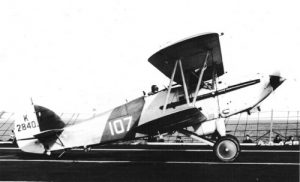
Photo 31: Gloster Javelin FAW.5 XA647/B of No. 151 Sqn.
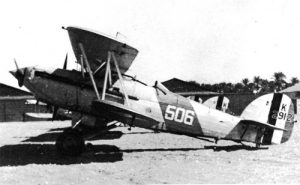
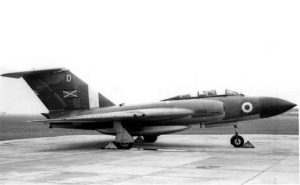
Photo 32: Gloster Javelin FAW.5 XA651/D of No. 151 Sqn.
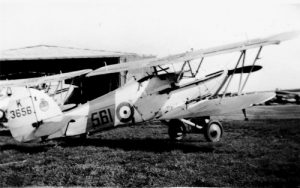
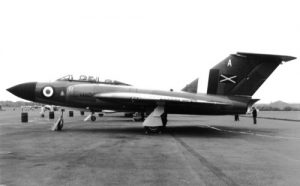
Photo 33: Gloster Javelin FAW.5 XA652/A of No. 151 Sqn.
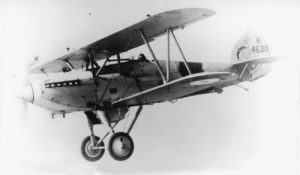
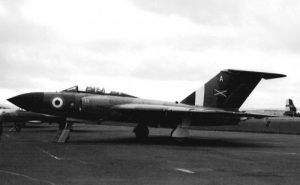
Photo 34: Another view of Gloster Javelin FAW.5 XA652/A of No. 151 Sqn.
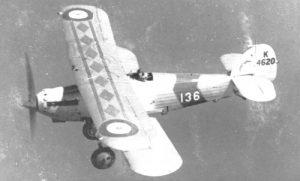
Photo 35: Gloster Javelin FAW.5 XA652/T of the AWFCS.
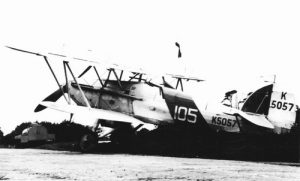
Photo 36: Gloster Javelin FAW.5 XA654/J of No. 72 Sqn.

Photo 37: Gloster Javelin FAW.5 XA655/F of No. 151 Sqn.

Photo 38: Gloster Javelin FAW.5 XA658 before its delivery to the RAF (no markings)

Photo 39: Gloster Javelin FAW.5 XA666/Z of No. 41 Sqn.

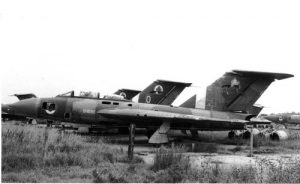
Photo 40: Derelick of Gloster Javelin FAW.5 XH690/A of No. 5 Sqn.

Photo 41: Gloster Javelin FAW.5 XA693/T of No. 228 OCU.

Photo 42: Gloster Javelin FAW.5 XA694/R of No. 228 OCU.

Photo 43: Gloster Javelin FAW.5 XA699/F of No. 151 Sqn.

Photo 44: Gloster Javelin FAW.5 XA702/V and XA691/E of No. 228 OCU.

Photo 45: Gloster Javelin FAW.5 XA703/Y of No. 41 Sqn.


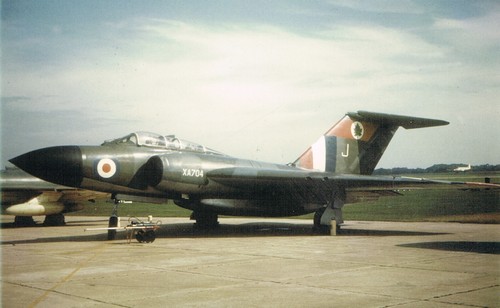
Photo 46: Gloster Javelin FAW.5 XA704/J of No. 5 Sqn.

Photo 47: Gloster Javelin FAW.5 XA707/B of No. 5 Sqn.

Photo 48: Gloster Javelin FAW.5 XA713/W of No. 151 Sqn.

Photo 49: Gloster Javelin FAW.5 XA715/T of No. 151 Sqn.

Photo 50: Gloster Javelin FAW.5 XH688/X of No. 151 Sqn.

Photo 51: Gloster Javelin FAW.5 XA650/E of No. 151 Sqn

Photo 52: Gloster Javelin FAW.5 XA658 of No. 41 Sqn

Photo 71: Gloster Javelin FAW.6 XA815/E of No. 85 Sqn.

Photo 72: Gloster Javelin FAW.6 XA819/V of No. 29 Sqn.

Photo 73: Gloster Javelin FAW.6 XA824/H of No. 29 Sqn.

Photo 74: Gloster Javelin FAW.6 XH702/X of AFDS

SQUADRONS! No.19: The Boulton Paul Defiant (day & night fighter)

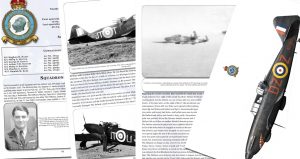
Turret equipped fighters became operational with the Royal Air Force during WW2 as the result of the British Government’s ongoing concern about German aerial attacks on the United Kingdom during World War One. The possibility of enemy bombers, and not just German ones, once again flying over the country and dropping their deadly load on British soil had troubled them ever since. In the 1930s a fighter fitted with a gun turret was considered to be an effective way of attacking bombers and would be a feasible alternative to conventional fighters. The result of this concept was the Defiant, which was developed to meet this operational requirement. After a promising start during the dark days of the Battle of France the Defiant was withdrawn from day operations, after having sustained heavy losses, during the Battle of Britain, the switched to the night fighter role until the spring of 1942. This publication of 80 pages is illustrated with 80 photographs and four colour profiles and included all the confirmed and probable claims made by Defiant crews between 1940 and 1942. All losses of Defiants used as fighters are also listed, squadron by squadron.

Revised 2018, updated Feb.2020, May 2022

Available as a paperback version as 979-1096490-06-6

**********************

HOW TO ORDER:

Send your mailing address  with your phone number in using ‘contact’ button and we will respond with a Paypal request with the following amount:

EU, UK and USA: 18.00 Euros postage included

Rest of the World: 21.00 Euros postage included

Multiple purchases with combined postage possible.

********************

PDF version is available as 979-1096490-07-3.

(new PDF uploaded September 2023)

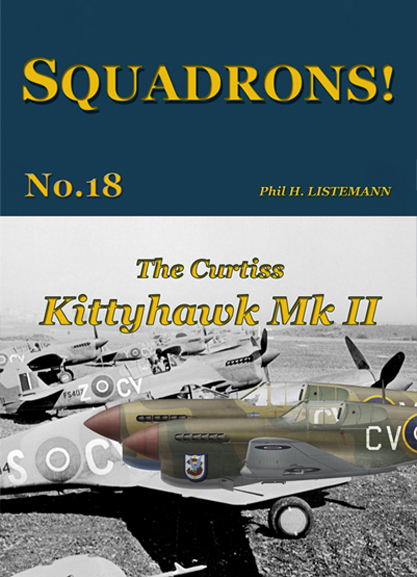
SQUADRONS! No.18: The Curtiss Kittyhawk II

The Curtiss P-40 was the most numerous USAAF fighter on hand when the United States entered the war in December 1941. A development of the Curtiss P-36, the P-40 was essentially a P-36 equipped with an Allison inline V12 V-1710. The French were the first to express an interest in this model, known as the H-81, having already ordered the Curtiss H-75, the export version of the P-36. The Curtiss H-81 would later be purchased by the USAAC and the RAF as the Tomahawk. Curtiss continued to improve the breed and a new production model, the H-87, was soon available with a new version of the V-1710 that had a spur-gear reduction mechanism, raising the engine thrust-line. This caused the nose profile to be redesigned, hence the new Curtiss designation.
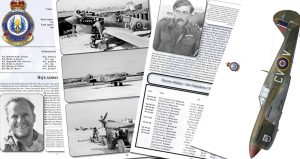
The RAF became interested in purchasing this version as the Kittyhawk for its squadrons fighting in the Western Desert and to replace the Tomahawk already in service. In all four Marks would be used by the RAF, the Mk II corresponding to the P-40F/L and would see service in only two squadrons, the Australian 3 Squadron and the British 260 Squadron and saw action for the first time shortly before the Battle of El Alamein. The full story of the Kittyhawk Mk II is here told in 38 pages illustrated with 40 photos and 6 colour profiles.

Profiles:

FL274/HS-V – 260 Sqn

FL308/CV-V – 3 Sqn RAAF

FS400/CV-Y – 3 Sqn RAAF

FS490/CV-V – 3 Sqn RAAF

FS452/5 – 239 Wing Training Flight

FL294/29 – CIC Meknes, French Air Force


Available as a paperback version as 979-1096490-04-2

**********************

HOW TO ORDER:

Send your mailing address  with your phone number in using ‘contact’ button and we will respond with a Paypal request with the following amount:

EU, UK and USA: 13.50 Euros postage included

Rest of the World: 16.00 Euros postage included

Multiple purchases with combined postage possible.

********************

PDF version is available as 979-1096490-05-9 (see below)

(new PDF uploaded August 2023)