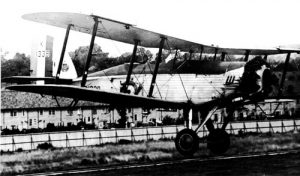
Archives

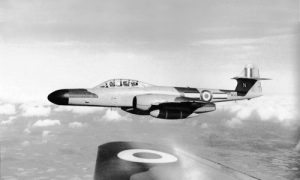
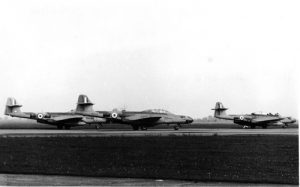
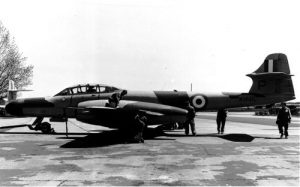
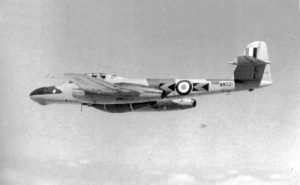
February 2017: English Electric Lightning T.4 – 39 photos

Each photograph is offered at a 300dpi res/13x8cm size making them available for a very good quality digital print, but also for Iphone/IPad, smartphone or computer screen (but should convert the image into a jpeg format for doing so)
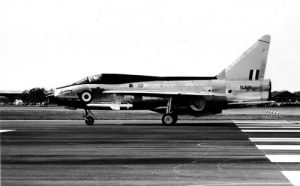
Lightning T.4 – 01: EE Lightning T.4 XL628, the first prototype of the T.4 version.
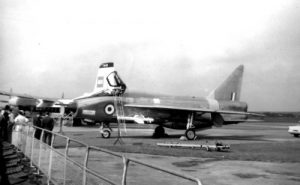
 

Lightning T.4 – 02: EE Lightning T.4 XL629, the second prototype of the T.4 version.
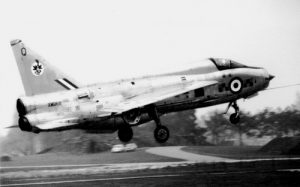
 

Lightning T.4 – 03: EE Lightning T.4 XM968/Q of No. 92 Squadron.
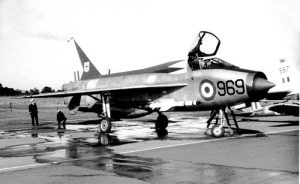
 

  Lightning T.4 – 04: EE Lightning T.4 XM969 of No. 226 OCU.
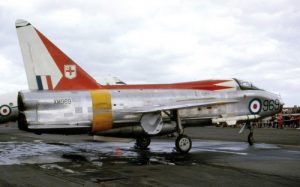
 

Lightning T.4 – 05: Another view of EE Lightning T.4 XM969 of No. 226 OCU.
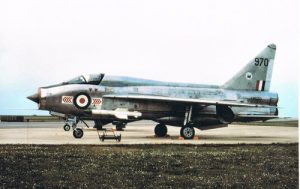
 

  Lightning T.4 – 06: EE Lightning T.4 XM970 of No. 226 OCU with No. 65 Squadron markings.
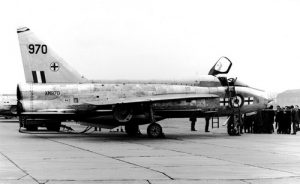
 

 Lightning T.4 – 07: EE Lightning T.4 XM970 of No. 226 OCU with No. 145 Squadron markings.
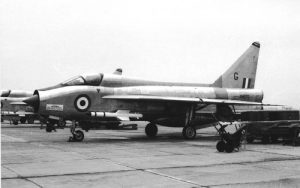


Lightning T.4 – 08: EE Lightning T.4 XM970/G of Lightning Conversion Squadron (LCS) in 1962.
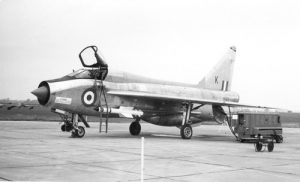
 

  Lightning T.4 – 09: EE Lightning T.4 XM971/K of Lightning Conversion Squadron (LCS) in 1962.
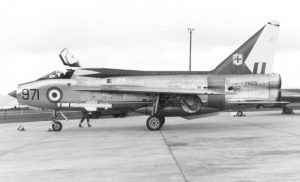
 

 Lightning T.4 – 10: EE Lightning T.4 XM971 of No. 226 OCU. This aircraft was lost in an accident on 2 January 1967.
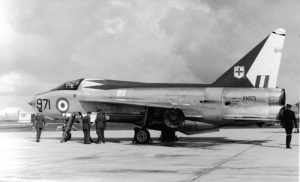
 

Lightning T.4 – 11: Another view of EE Lightning T.4 XM971 of No. 226 OCU.
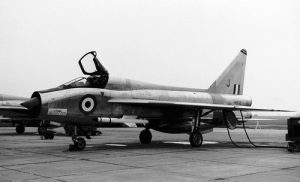
 

Lightning T.4 – 12: EE Lightning T.4 XM972/J of Lightning Conversion Squadron (LCS) in 1962.
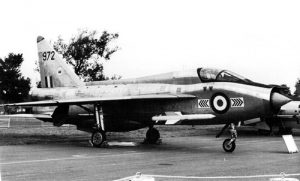
 

Lightning T.4 – 13: EE Lightning T.4 XM972 of No. 226 OCU with No. 65 Squadron markings.
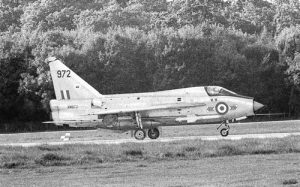
 

Lightning T.4 – 14: Another view of EE Lightning T.4 XM972 of No. 226 OCU with No. 65 Squadron markings.
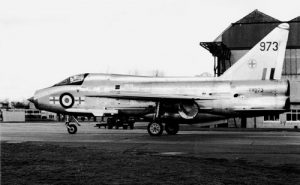
 

Lightning T.4 – 15: EE Lightning T.4 XM973 of No. 226 OCU with No. 145 Squadron markings.
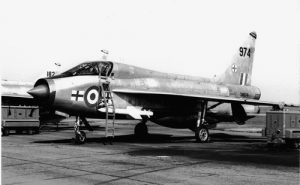
 

  Lightning T.4 – 16: EE Lightning T.4 XM974 of No. 226 OCU with No. 145 Squadron markings. It was lost in an accident on 14 December 1972 while serving with No. 226 OCU.
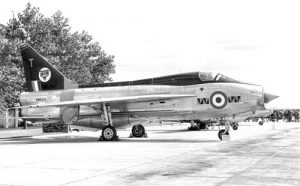
 

  Lightning T.4 – 17: EE Lightning T.4 XM974/T of No. 74 Squadron.
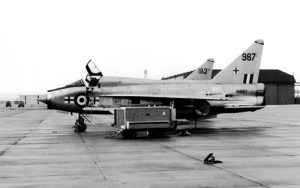
 

Lightning T.4 – 18: EE Lightning T.4 XM987 of No. 226 OCU with No. 145 Squadron markings.
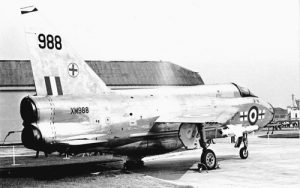
 

 Lightning T.4 – 19: EE Lightning T.4 XM988 of No. 226 OCU with No. 145 Squadron markings. It was to be lost on 5 June 1973 in an accident while serving with No. 226 OCU.
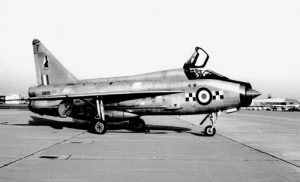
 

  Lightning T.4 – 20: EE Lightning T.4 XM991/T of No. 92 Squadron.
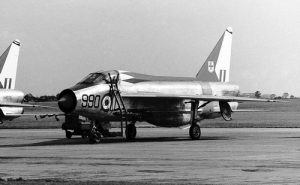
 

 Lightning T.4 – 21: EE Lightning T.4 XM990 of No. 226 OCU in 1965 and was still serving this unit when it was lost in an accident on 19 September 1970.
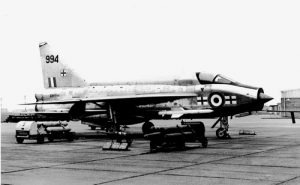
 

 Lightning T.4 – 22: EE Lightning T.4 XM994 of No. 226 OCU with No. 145 Squadron markings.
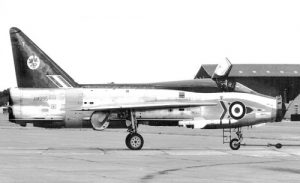
 

Lightning T.4 – 23: EE Lightning T.4 XM995/T of No. 92 Squadron.
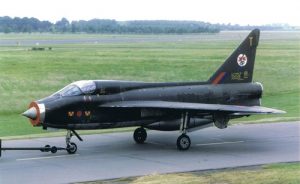
 

    Lightning T.4 – 24: Another view of EE Lightning T.4 XM995/T of No. 92 Squadron, with new camouflage scheme.
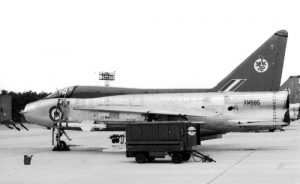
 

Lightning T.4 – 25: Another view of EE Lightning T.4 XM995/T of No. 92 Squadron, but a variant on the nose markings (see photo 23)
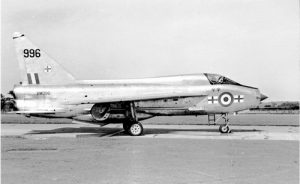
 

 Lightning T.4 – 26: EE Lightning T.4 XM996 of No. 226 OCU with No. 145 Squadron markings.
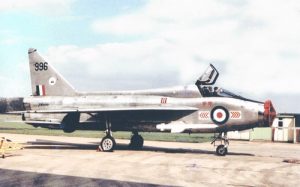
 

 Lightning T.4 – 27: EE Lightning T.4 XM996 of No. 226 OCU with No. 65 Squadron markings.
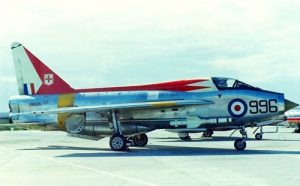
 

 Lightning T.4 – 28: EE Lightning T.4 XM996 of No. 226 OCU with the early markings.
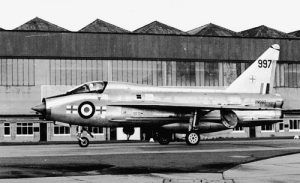
 

 Lightning T.4 – 29: EE Lightning T.4 XM997 of No. 226 OCU with No. 145 Squadron markings. It was the last T.4 built.


Lightning T.4 – 30: EE Lightning T.4 XM889/X of No. 56 Squadron. Would later be converted to Lightning T.54 for Saudi Arabia in 1966.
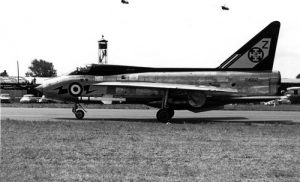
 

Lightning T.4 – 31: EE Lightning T.4 XM992/Z of No. 111 Squadron would be also converted to T.54 for Saudi Arabia in 1966.
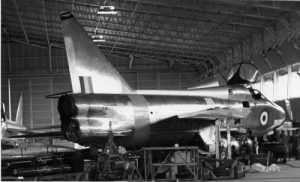
 

Lightning T.4 – 32: EE Lightning T.4 XM993 of the Lighthning Conversion Squadron (LCS) in 1962.
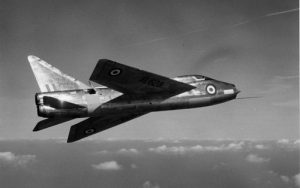
 

Lightning T.4 – 33: EE Lightning T.4 XL628, the first prototype of the T.4 version during a test flight
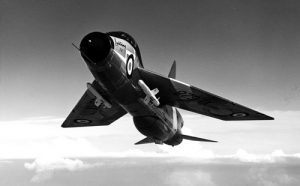
 

Lightning T.4 – 34: Another view of EE Lightning T.4 XL628, the first prototype of the T.4 version during a test flight
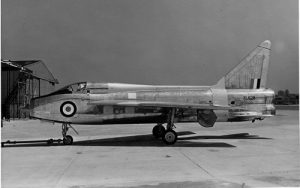
 

Lightning T.4 – 35: Another side view of EE Lightning T.4 prototype XL628
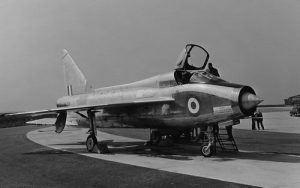
 

Lightning T.4 – 36: Another side view of EE Lightning T.4 prototype XL628
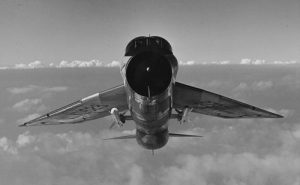
 

Lightning T.4 – 37: Another side view of EE Lightning T.4 prototype XL628
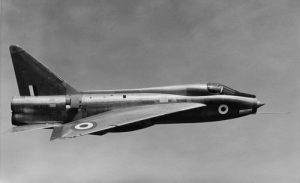
 

Lightning T.4 – 38: Another side view of EE Lightning T.4 prototype XL628
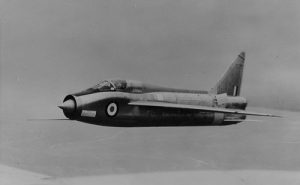
 

Lightning T.4 – 39: Another side view of EE Lightning T.4 prototype XL628
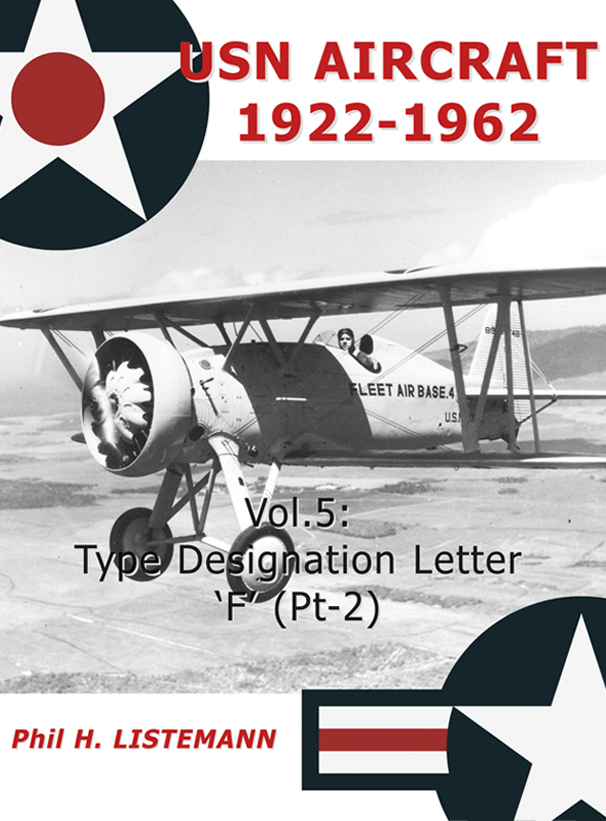


Volume 5 – Letter F (Pt-2)

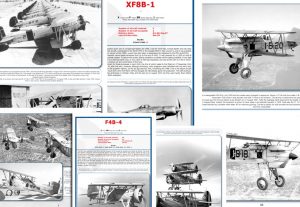
A pictorial study of the USN aircraft between 1922 and 1962. Over forty years, between 1922 and 1962, the USN and USMC used a designation system which began with biplanes and ended with jets, having been used through two major wars, WW2 and the Korean War. This system remained largely the same during that time, though it evolved with the introduction of new types and technology, and new exceptions developed as well. The purpose of this series is to explain this system using photographs. This fifth volume contains around 100 photographs and covers the second part of the Class F (Fighter). The aircraft described are Boeing F3B, F4B, F5B, F6B, F7B, F8B and Curtiss F4C, F5C, F6C, F7C.

paperback version: ISBN: 979-1096490-02-8

*******************

HOW TO ORDER:

Send your mailing address  with your phone number in using ‘contact’ button and we will respond with a Paypal request with the following amount:

EU, UK and USA: 18.00 Euros postage included

Rest of the World: 20.00 Euros postage included

Multiple purchases with combined postage possible.

*********************

pdf, E-pub and Kindle versions are now available below as 979-1096490-03-5

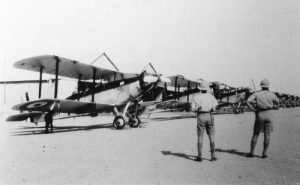
January 2017: Westland Wapiti (RAF, RAAF, RCAF & SAAF) – 48 photos

Each photograph is offered at a 300dpi res/13x8cm size making them available for a very good quality digital print, but also for Iphone/IPad, smartphone or computer screen (but should convert the image into a jpeg format for doing so)

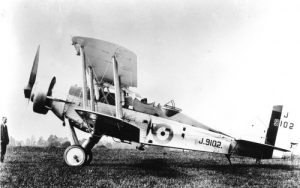
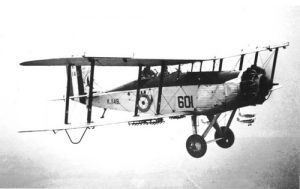
Wapiti 01: Westland Wapiti I J9102 was used to test various engines during its career and was never issued to any operational unit.

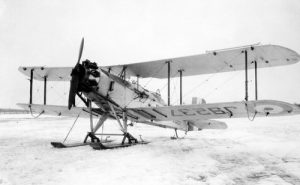
Wapiti 02: Westland Wapiti II J9237 was initially sent to Canada for cold weather trials on loan to the RCAF for 60 months.

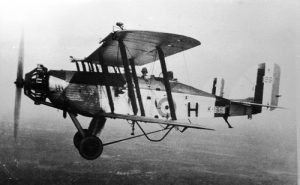
Wapiti 03: Westland Wapiti J9410 of No. 30 Squadron in flight.

Wapiti 04: Westland Wapiti J9410 (see also photo 03) of No. 30 Squadron taken on the ground this time.

Wapiti 05: Westland Wapitis of No. 28 Squadron in flights, with in the forefront J9481.
Wapiti 06: Westland Wapiti IIA J9506 of No. 28 Squadron in flight.
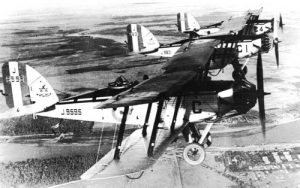
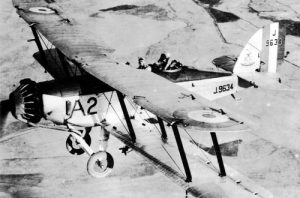
Wapiti 07: Westland Wapitis J9595, J9631 and J9634 of No. 55 Squadron flying in formation.

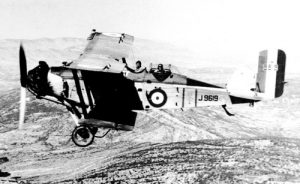
Wapiti 08: Westland Wapiti J9619 of No. 30 Squadron in flight.

Wapiti 09: Westland Wapiti J9630 of No. 84 Squadron in flight.

Wapiti 10: Westland Wapiti J9634 of No. 55 Squadron in flight.

Wapiti 11: Westland Wapiti J9719 of No. 60 Squadron in flight.

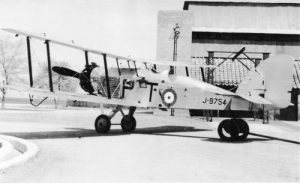
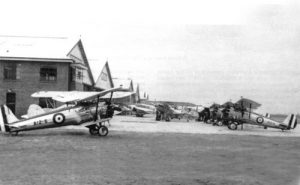
Wapiti 12: Westland Wapiti J9754 of No. 1 SFTS (India) being towed in 1940. This Wapiti is coded PT-F (the individual letter F is painted just behind the engine)

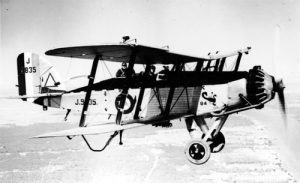
Wapiti 13: Westland Wapiti J9835 of No. 84 Squadron in flight.

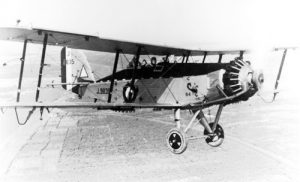
Wapiti 14: Another shot of Westland Wapiti J9835 taken from another angle.

Wapiti 15: Westland Wapitis of No. 84 Squadron, J9844 being in the forefront.

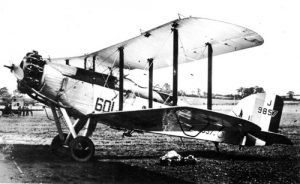
Wapiti 16: Westland Wapiti J9857 of No. 601 Squadron.

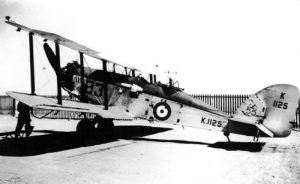
Wapiti 17: Westland Wapiti K1125 of No. 55 Squadron in 1936. It was coded ‘B3’.

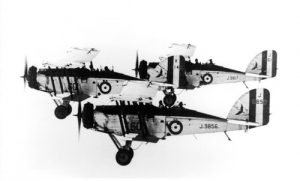
Wapiti 18: Westland Wapitis K1143, J9856 and J9617 of No. 601 Squadron flying in formation.

Wapiti 19: Westland Wapiti IIA K1148 of No. 601 Squadron in flight. It would be later sold to the RCAF as 508 in January 1936.

Wapiti 20: Westland Wapiti IIA K1261 of No. 1 SFTS (India) in 1939 in flight.

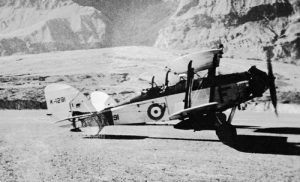
Wapiti 21: Westland Wapiti K1291 of No. 27 Squadron ready for take-off. This Wapiti survived until 28.05.42 when ran into soft ground while taxying and tipped up.

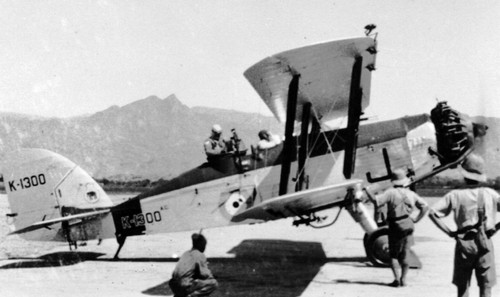
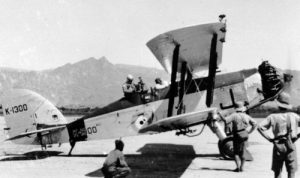
Wapiti 22: Westland Wapiti IIA K1300 of No. 27 Squadron warming up its engine before another routine flight.

Wapiti 23: Westland Wapiti IIA K1338 of No. 604 Squadron taken during a very low altitude flight.

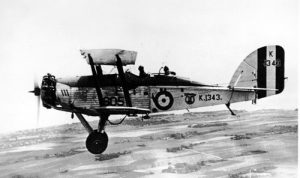
Wapiti 24: Westland Wapiti IIA K1343 of No. 605 Squadron in flight. It crashed in forced landing on 11.11.34.

Wapiti 25: Westland Wapiti IIA K1348 of No. 605 Squadron banking to the right. This Wapiti was later converted to Wallace configuration as K3569.

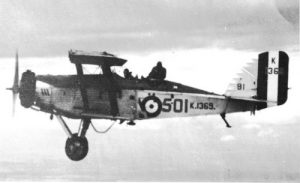
Wapiti 26: Westland Wapiti IIA K1369 of No. 501 Squadron in flight.

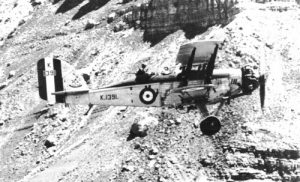
Wapiti 27: Westland Wapiti IIA K1391 of No. 55 Squadron.

Wapiti 28: Westland Wapiti VI, a dual control trainer, K2241 of No. 604 Squadron in flight.

Wapiti 29: Westland Wapiti IIA K2289 of No. 27 Squadron in flight.

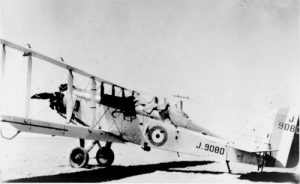
Wapiti 30: Westland Wapiti IIA J9080 of No. 84 Squadron

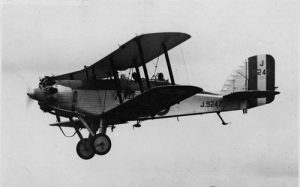
Wapiti 31: Westland Wapiti IIA J9247 prototype of the mark

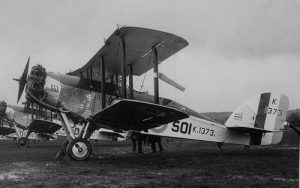
Wapiti 32: Westland Wapiti IIA K1373 of 501 Squadron

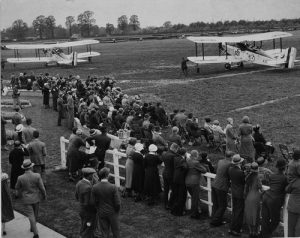
Wapiti 33: Westland Wapitis of 601 Squadron taken during a public display

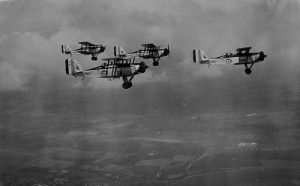
Wapiti 34: Westland Wapitis of 601 Squadron flying in formation. In the forefront, J8617

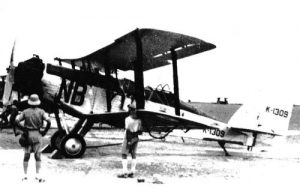
Wapiti 35: Westland Wapiti K1309 of 27 Squadron


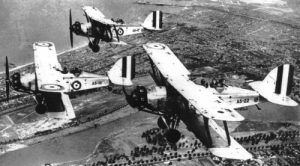
Wapiti (RAAF) 51: Westland Wapitis A5-10, A5-17 and A5-22 in formation flying over Melbourne in 1931

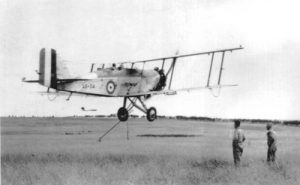
Wapiti (RAAF) 52: Westland Wapiti A5-34 giving a demonstration of message pick-up

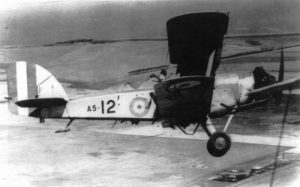
Wapiti (RAAF) 53: Westland Wapiti A5-12 in flight. It was stuck off charge on 27.04.44

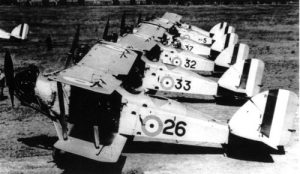
 Wapiti (RAAF) 54: A line-up of Australian Wapitis with A5-26, A5-33, A5-32, A5-37 and A5-5

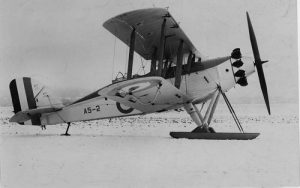
Wapiti (RAAF) 55: Westland Wapiti A5-2 with special equipment


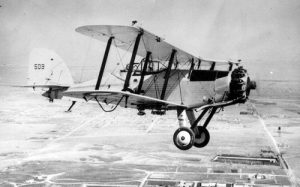
Wapiti (RCAF) 71: Westland Wapiti IIA 508 taken in flight. Delivered in March 1936 it was formely K1148 of the RAF. It was the first RCAF Wapiti taken on charge.

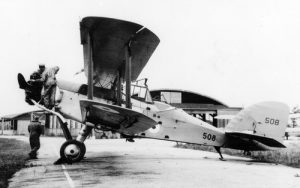
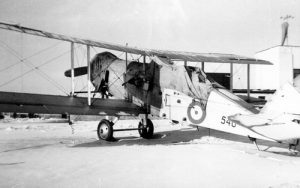
Wapiti (RCAF) 72: Side view of Westland Wapiti 508 on the ground.

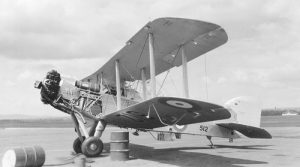
Wapiti (RCAF) 73: Westland Wapiti IIA 513 (formely K1326). Delivered in March 1936, it ended its career as an instructional airframe at Trenton.

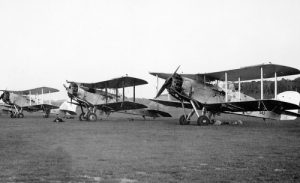
Wapiti (RCAF) 74: Three Westland Wapitis of the RCAF, with from left to right, 543 (ex-J9870), 510 (ex-K1318) and 542 (ex-J9869). They were used by No. 3 (B) Squadron, RCAF at that time.

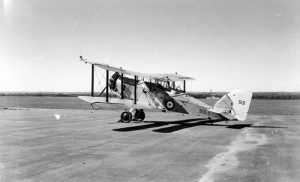
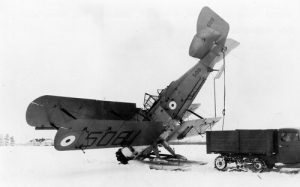
Wapiti (RCAF) 75: Westland Wapiti 508 on skis seen after a minor accident.

Wapiti (RCAF) 76: Westland Wapiti 540 (ex-J9617) which ended its career as 513 (see photo 73).

Wapiti (RCAF) 77: Westland Wapiti 512 (ex-K1326) delivered in May 1937 served the RCAF until being struck off strenght in March 1941.


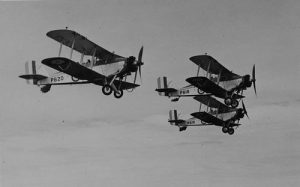
Wapiti (SAAF) 91: Three SAAF Wapitis (P618, P619, P620) in flight

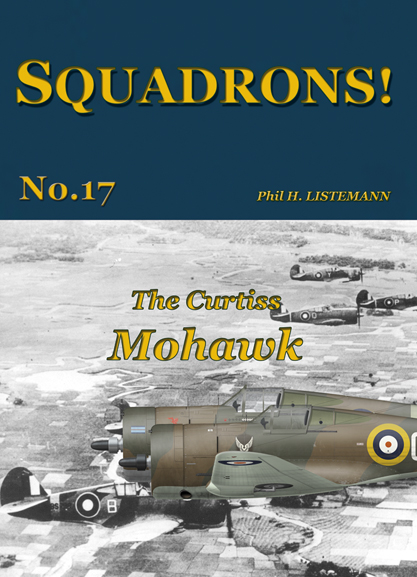
SQUADRONS! No.17: The Curtiss Mohawk


The Curtiss Hawk 75 was the export version of the USAAC Curtiss P-36 that became, from 1936 onwards, the standard American single-seat fighter and represented a big step forward for the USAAC. The French were the first to express interest in this fighter and ordered large quantities before and during the first months of WW2. When the French ask for an armistice, all of the contracts were taken over by the British and the balance of the Curtiss H-75 still to be delivered were shipped out to the UK where they became the Mohawk. The RAF also took charge of more Mohawks coming from various sources and in all over 200 Mohawks were included in the RAF inventory. Some were handed over to the SAAF where they served in East Africa, while most would be sent to the Far East where they served until the end of 1943. The full story of the Mohawk in the RAF and in the SAAF is here told in 50 pages illustrated with 55 photos and 7 colour profiles.

UPDATED October 2019, August 2023

Profiles:

BJ546/OQ-O – 5 Sqn

AR690/E – 5 Sqn

BS796/T – 5 Sqn 

BB928 – 155 Sqn 
AR674/H – 155 Sqn

BS790/WPB – 169 Wing

2540/G – 6 Sqn SAAF


s-17-page

Available as a paperback version as 979-1096490-00-4

HOW TO ORDER:

Send your mailing address  with your phone number in using ‘contact’ button and we will respond with a Paypal request with the following amount:

EU, UK and USA: 14.50 Euros postage included

Rest of the World: 16.00 Euros postage included

Multiple purchases with combined postage possible.

********************

PDF available as 979-1096490-01-1

(new PDF uploaded August 2023)


November 2016: Bristol Bulldog – 37 photos

Each photograph is offered at a 300dpi res/13x8cm size making them available for a very good quality digital print, but also for Iphone/IPad, smartphone or computer screen (but should convert the image into a jpeg format for doing so)

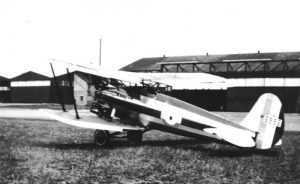
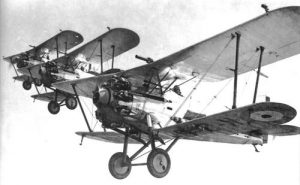
Photo 01: Bristol Bulldog J9568 of No. 3 Squadron.
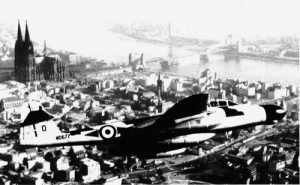
 

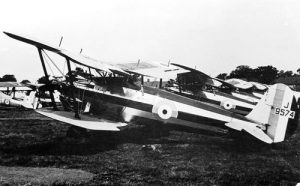
Photo 02: Bristol Bulldog J9574 of No. 3 Squadron.


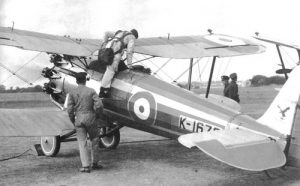
Photo 03: Bristol Bulldog K1678 of No. 23 Squadron.


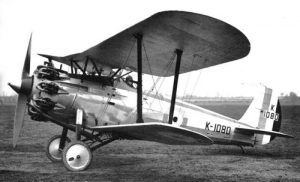
Photo 04: Bristol Bulldog K1080 was the second production aircraft of the second batch and was delivered in January 1930. It would serve with No. 17 Squadron.


Photo 05: Another view of Bristol Bulldog K1080.


Photo 06: Bristol Bulldog K1085 in flight.


Photo 07: Another view of Bulldog K1085.


Photo 08: Bristol Bulldogs of No. 17 Sqn with K1081 leading the section in the forefront. It was lost in an accident in May 1931.


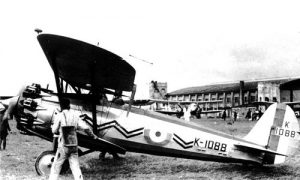
Photo 09: Bristol Bulldog K1088 with No. 17 Sqn markings.


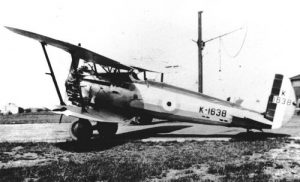
Photo 10: Bristol Bulldog K1638 of the Air Gunner School


Photo 11: Bristol Bulldog K1641 of No. 54 Squadron.


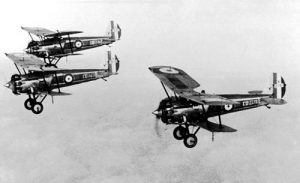
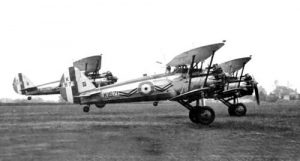
Photo 12: A section of three Bristol Bulldogs of No. 23 Squadron flying in formation with K1587, K1678 and K2151.


Photo 13:  A trio of No. 41 Squadron Bulldogs in flight.


Photo 14: A trio of No. 17 Squadron Bulldogs taking-off with K1671 in the forefront.


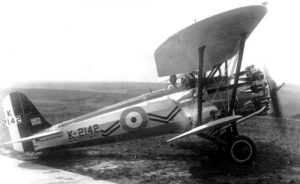
Photo 15: Bristol Bulldog K2142 of No. 17 Squadron.


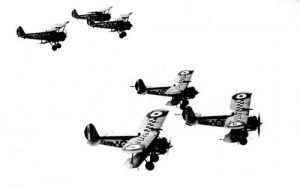
Photo 16: Six No. 19 Squadron Bulldogs flying in formation.


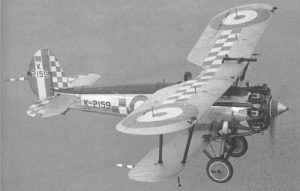
Photo 17: Bristol Bulldog K2159 of No. 19 Squadron.


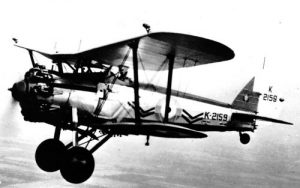
Photo 18: Another view of Bulldog K2159 while serving with No. 17 Squadron.


Photo 19: Bristol Bulldog K2184 of No. 41 Squadron.


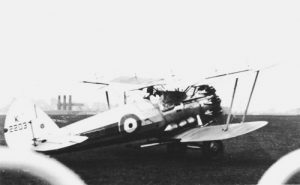
Photo 20:  Bristol Bulldog K2203 of No. 54 Squadron.


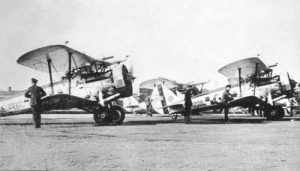
Photo 21: Bristol Bulldogs of No. 56 Squadron with K2206 and K2227 visible.


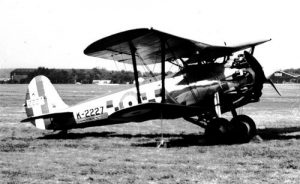
Photo 22: Bristol Bulldog K2227 of No. 56 Squadron.


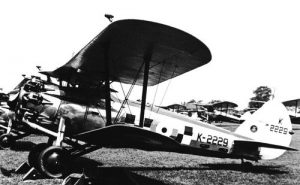
Photo 23: Bristol Bulldog K2229 of No. 56 Squadron.


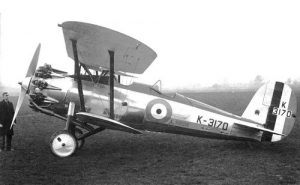
Photo 24: Bristol Bulldog Trainer K3170, the first of its kind and will serve with the Central Flying School.


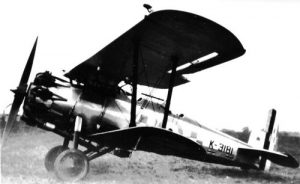
Photo 25: Bristol Bulldog Trainer K3181 was initially issued to No. 19 Squadron in February 1933.


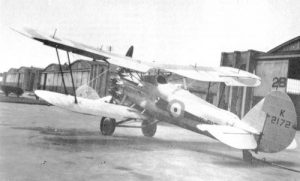
Photo 26: Bristol Bulldog K2172 No. 3 Squadron.


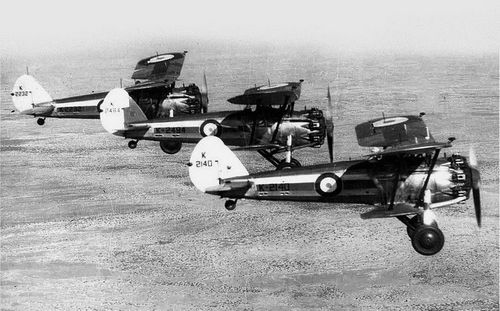
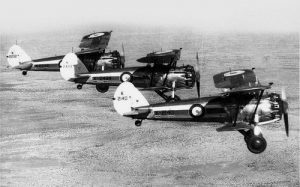
Photo 27: Bristol Bulldogs of No. 3 Squadron with K2140, K2494 and K2232


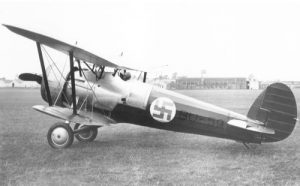
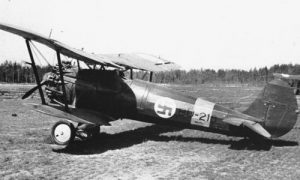
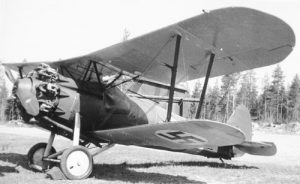
Photo 50 (Finnish): Finnish Bristol Bulldog BU-59, the first to have been delivered to the Finns on 20.12.34. It would be withdrawn from use in May 1944 with 774.5 hours to its airframe.


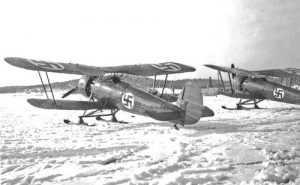
Photo 51 (Finnish): Two Finnish Bulldogs during the Winter War.


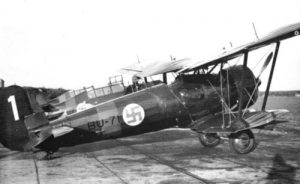
Photo 52 (Finnish): Bristol Bulldog BU-71 while serving as an advanced trainer at the LeSK. It was lost in an accident on 13.10.42.


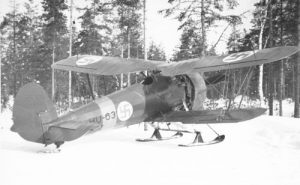
Photo 53 (Finnish): Bristol Bulldog BU-63 of T-LLv 35 in 1941-1942.


Photo 54 (Finnish): Bristol Bulldog IIA BU-216 was one of the two Bulldogs given by Sweden to Finland during the Winter War in December 1939 and served as advanced trainer.


Photo 55 (Finnish): Another view of BU-216


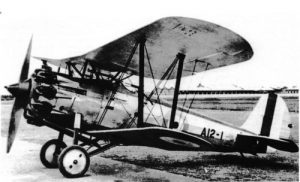
Photo 61 (RAAF): Bristol Bulldog A12-1 of the RAAF on the ground


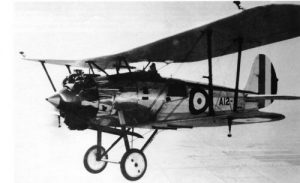
Photo 62 (RAAF): Bristol Bulldog A12-1 of the RAAF in flight


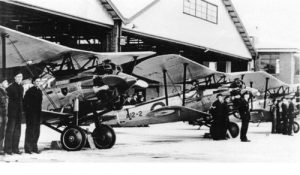
Photo 63 (RAAF): Bristol Bulldogs of the RAAF lined up with A12-2 in the middle


Photo 64 (RAAF): Bristol Bulldog (RAAF) A12-6 at Point Cook

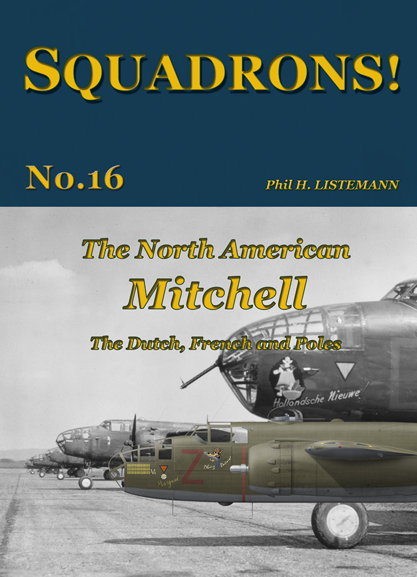
SQUADRONS! No.16: The NA Mitchell – The Dutch, French & Poles

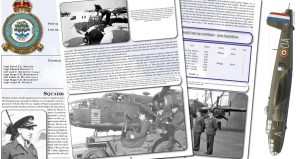
The Mitchell was one of the major medium bombers of the Second World War. It was operated by many air forces during the war including the RAF. The RAF received about 900 Mitchells among them some Mitchells coming from a Dutch order which were exclusively used by No. 320 (Dutch) Squadron. The Mitchell was also used by two other foreign units in the RAF, the Polish 305 and the French 342. This book covers in 44 pages, about 30 photos and 7 colour profiles, the operational usage of the Mitchell by those three squadrons with the usual details on losses.


REVISED April 2019, November 2020


s-16-page

Available as a paperback version as 978-2918590-98-9

HOW TO ORDER:

Send your mailing address  with your phone number in using ‘contact’ button and we will respond with a Paypal request with the following amount:

EU, UK and USA: 12.50 Euros postage included

Rest of the World: 15.50 Euros postage included

Multiple purchases with combined postage possible.

********************

PDF  version is also available as 978-2918590-99-6

(new PDF uploaded, August 2023)

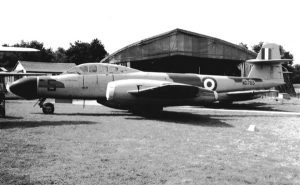
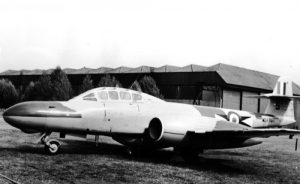
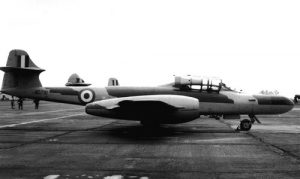
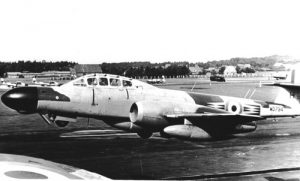
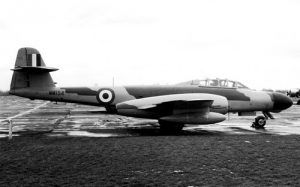
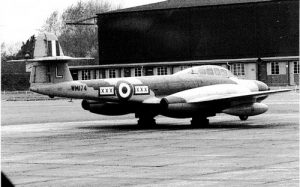
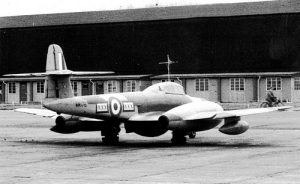
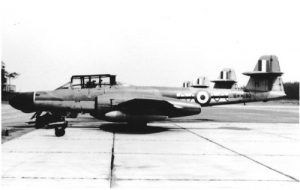
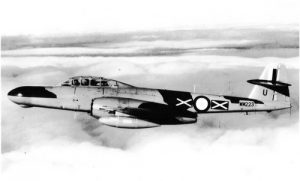
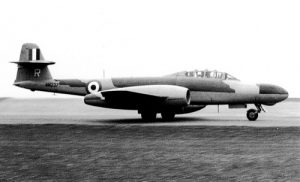
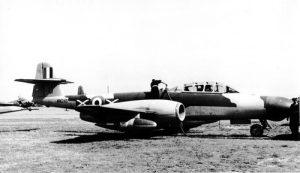
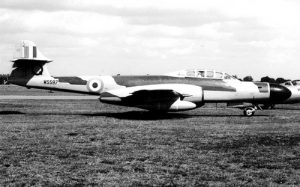
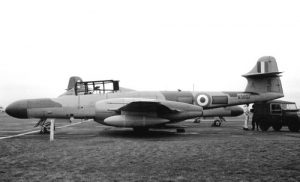
October 2016: Gloster Meteor NF.11, NF.12 & NF.13 – 33 photos

Each photograph is offered at a 300dpi res/13x8cm size making them available for a very good quality digital print, but also for Iphone/IPad, smartphone or computer screen (but should convert the image into a jpeg format for doing so)

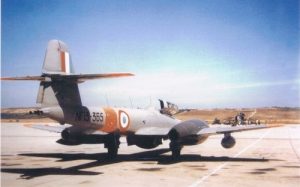
Meteor NF.11 – 01: Gloster Meteor NF.11 WD608 of No. 141 Sqn.


Meteor NF.11 – 02: Gloster Meteor NF.11 WD643 of No. 151 Sqn.


Meteor NF.11 – 03: Gloster Meteor NF.11 WD673 of No. 87 Sqn.


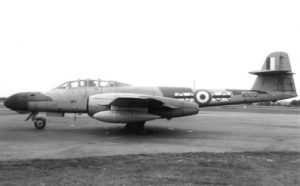
Meteor NF.11 – 04: Gloster Meteor NF.11 WD677 of No. 68 Sqn.


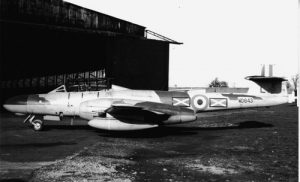
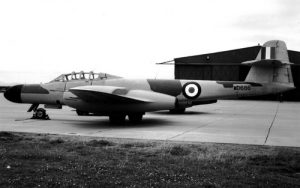
Meteor NF.11 – 05: Gloster Meteor NF.11 WD686 was used for various tests all its career long.


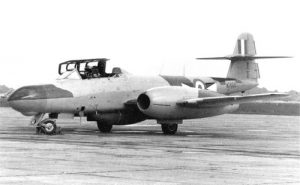
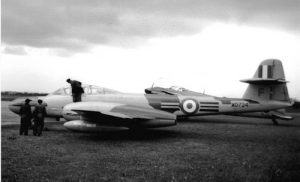
Meteor NF.11 – 06: Gloster Meteor NF.11 WD724 of No. 264 Sqn.


Meteor NF.11 – 07: Gloster Meteor NF.11WD765 of the ETPS (Empire Test Flying School)


Meteor NF.11 – 08: Gloster Meteor NF.11 WD770 of No. 141 Sqn.


Meteor NF.11 – 09: Gloster Meteor NF.11 WD791 used as test bed at CFE. Note the nose.


Meteor NF.11 – 10: Gloster Meteor NF.11 WD794 of No. 96 Sqn.


Meteor NF.11 – 11: Gloster Meteor NF.11 WM154.


Meteor NF.11 – 12: Gloster Meteor NF.11 WM174 of No. 29 Sqn.


Meteor NF.11 – 13: Gloster Meteor NF.11 WM176 of No. 29 Sqn.


Meteor NF.11 – 14: Gloster Meteor NF.11 WM190 of No. 87 Sqn.


Meteor NF.11 – 15: Gloster Meteor NF.11 WM223 of No. 151 Sqn.


Meteor NF.11 – 16: Gloster Meteor NF.11 WM237 of No. 226 OCU.


Meteor NF.11 – 17: Gloster Metero NF.11 WM245 of No. 151 Sqn


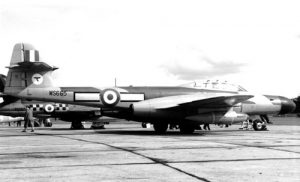
Meteor NF.12 – 51: Gloster Meteor NF.12 WS597 of the CSE (Central Signals Establishment)


Meteor NF.12 – 52: Gloster Meteor NF.12 WS607 NF.12 of No. 72 Sqn.


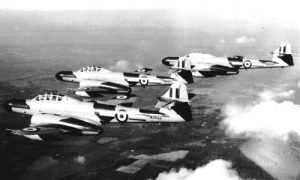
Meteor NF.12 – 53: Three Meteor NF.12s of No. 25 Sqn taken while flying in close formation. The aircraft are WS622/R, WS694/Q and WS697/N.


Meteor NF.12 – 54: Gloster Meteor NF.12 WS665 of No. 25 Sqn.


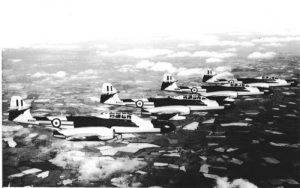
Meteor NF.12 – 55: Four Meteor NF.12s of No. 25 Sqn taken while flying in close formation. The aircraft are WS680/T, WS622/R, WS694/Q and WS697/N.


Meteor NF.12 – 56: Gloster Meteor NF.12 WS697 of No. 25 Sqn.


Meteor NF.12 – 57: Gloster Meteor NF.12 WS593 of No. 85 Sqn passing along Meteor NF.14s


Meteor NF.12 – 58: Gloster Meteor NF.12 WS620/P of the Fighter Weapons School (FWS)


Meteor NF.13 – 81: Gloster Meteor NF.13 WM321 of No. 219 Sqn.


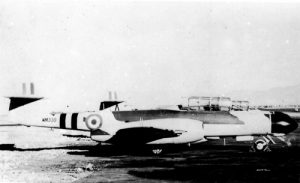
Meteor NF.13 – 82: Gloster Meteor NF.13 WM339  of No. 219 Sqn with the black/yellow stripes used during the Suez crisis.


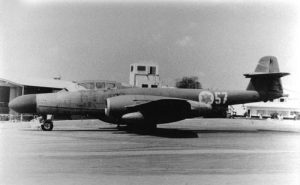
Meteor NF.13 – 91: Israeli Gloster Meteor NF.13 coded 57


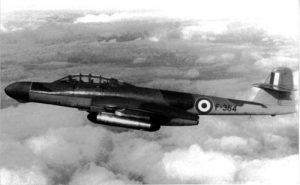
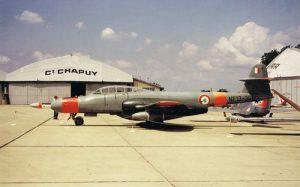
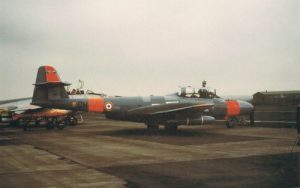
Meteor NF.13 – 101: French Gloster Meteor NF.13 F364 (ex WM364)


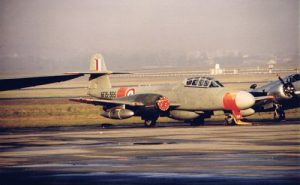
Meteor NF.13 – 102: French Gloster Meteor NF.13 (NF13-365 ex WM365)


Meteor NF.13 – 103: Another view of the French Gloster Meteor NF.13 (NF13-365 ex WM365)


Meteor NF.13 – 104: Another view of the French Gloster Meteor NF.13 (NF13-365 ex WM365)


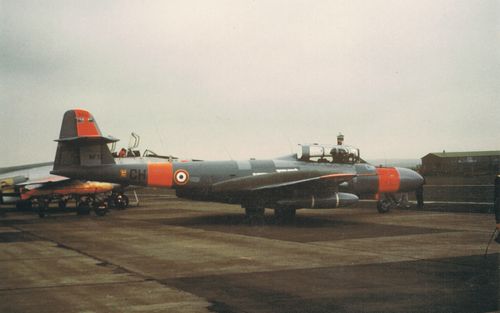
Meteor NF.13 – 105: Another view of the French Gloster Meteor NF.13 (NF13-365 ex WM365) coded CH and serving with EC.30 at Rheims.


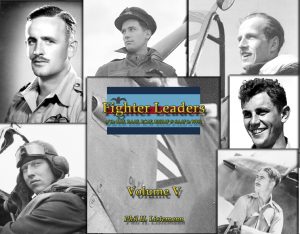
Volume V

This volume contains the biography of 52 pilots:

D.G. Andrews (Aus), R.E. Bary (NZ), F.V. Beamish (Ire), M.L.F. Beytagh (UK), M.V. Blake (NZ), E.P.W. Bocock (UK), A.D.McN. Boyd (UK), R.E.P. Brooker (UK), J.D. Browne (USA), L.V. Chadburn (Can), J.M. Checketts (NZ), W.H. Christie (Nor), M.V.M. Clube,(UK), P.Y. Davout (Can), A.H. Donaldson (UK), E.M. Donaldson (UK), J.M. Donaldson (UK), L.M. Gaunce (Can), L.M.E. Geerts (Bel), A.V. Gowers (UK), R.E. Green (UK), N.D. Harrison (NZ), B. Howard (Aus), F.J. Howell (UK), H. Hrbacek (Cz), S. Janus (Pol), I.F. Kennedy (Can), J.H. Lacey (UK), F.W. Lister (UK), J.L.H.E. Marchelidon (Fr), R. Marples (UK), P.E. Meagher (Ire), I.C. Ormston (Can), M.S. Osler (SA), J.R.A. Peel (UK), W.H. Pentland (Can), H.M. Pinfold (UK), A.F. Roscoe (USA), W.A.J. Satchell (UK), R.E.G. Sheward (UK), G.L. Sinclair (UK), T. Smart (UK), L.T. Spence (Aus), B.G. Stapleton (SA), J.E. Storrar (UK), S vB. Theron (SA), P.V.K. Tripe (Can), P. StG. B. Turnbull (Aus), M.T. Vanderpump (NZ), C.A. van Vliet (SA), J.L. Waddy (Aus)
S.L. Welshman (Aus)

totaling 22 DSOs, 52 DFCs and 3 DFMs.

fl-v-announce

Available as paperback version as ISBN:

979-1096490-49-3 (standard) or 978-2918590-96-5 (pocket-size)

*******************

HOW TO ORDER:

Send your mailing address  with your phone number in using ‘contact’ button and we will respond with a Paypal request with the following amount:

EU, UK and USA: 18.00 Euros (standard) or 13.00 Euros (pocket-size) postage included

Rest of the World: 20.00 Euros (standard) or 15.00 Euros (pocket-size) postage included

Multiple purchases with combined postage possible.

*********************

pdf, e-pub and kindle versions are also available as

ISBN 978-2918590-97-2 (see below)


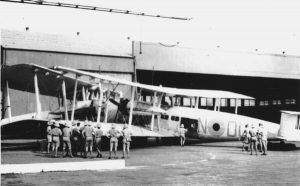
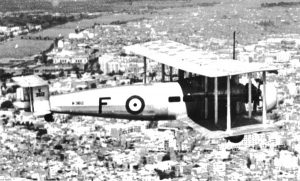
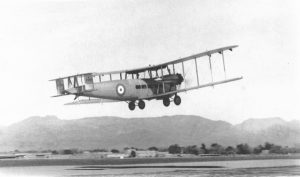
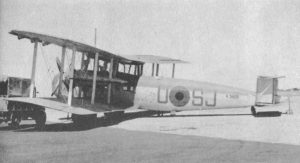
September 2016: Vickers Victoria & Valentia – 21 photos

Each photograph is offered at a 300dpi res/13x8cm size making them available for a very good quality digital print.

tn_Vickers Victoria III - 30

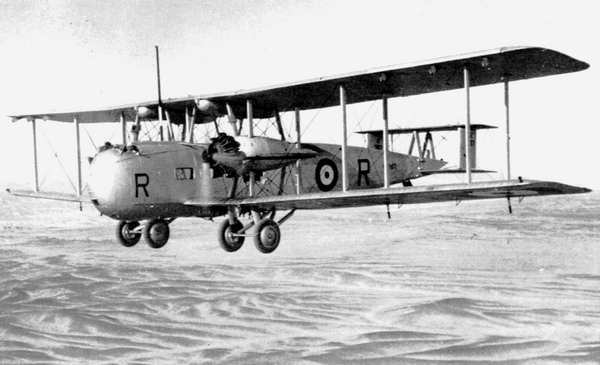
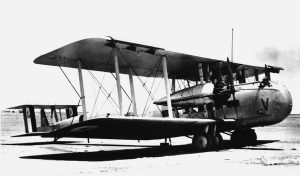
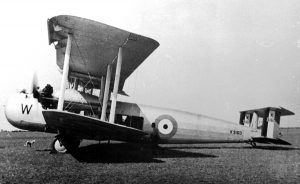
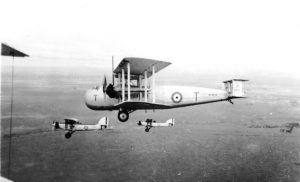
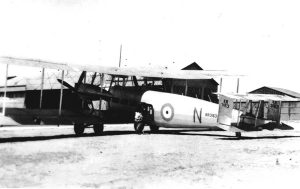
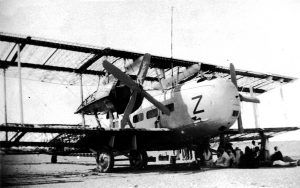
Photo 30: Vickers Victoria Mk. III J7933 of No. 70 Sqn in 1929.

tn_Vickers Victoria V - 50

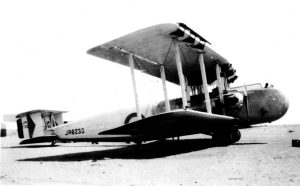
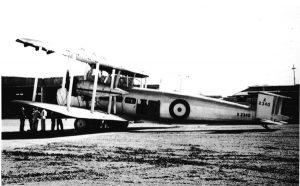
Photo 50: Vickers Victoria Mk. V JR8230 of No. 216 Sqn.

tn_Vickers Victoria V - 51

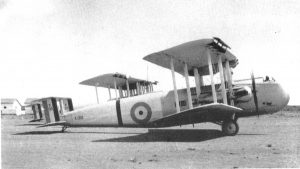
Photo 51: Vickers Victoria Mk. V K2343 of No. 216 Sqn.

tn_Vickers Victoria V - 52

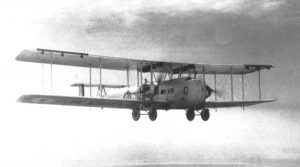
Photo 52: Vickers Victoria Mk. V of BT Flight India.

tn_Vickers Victoria V - 53

Photo 53: Vickers Victoria Mk. V K1315 of No. 216 Sqn.

tn_Vickers Victoria V - 54

Photo 54: Vickers Victoria K1310 of No. 70 Sqn.

tn_Vickers Victoria V - 55

Photo 55: Vickers Victoria Mk. V J9764 of No. 70 sqn.

tn_Vickers Valentia - 60

Photo 60: Vickers Valentia K3168 of No. 70 Sqn.

tn_Vickers Valentia - 61

Photo 61: Vickers Valentia K3167 of No. 216 Sqn.

tn_Vickers Valentia - 62

Photo 62: Vickers Valentia K3165 of No. 70 Sqn.

tn_Vickers Valentia - 63

Photo 63: Vickers Valentia K3160 of No. 70 Sqn.

tn_Vickers Valentia - 64

Photo 64: Vickers Valentia  JR8232 of 31 Sqn in 1939.

tn_Vickers Valentia - 65

Photo 65: Vickers Valentia KR3163 of No. 216 Sqn.

tn_Vickers Valentia - 66

Photo 66: Vickers Valentia K3159 of No. 70 Sqn after it caught fire and destroyed in April 1936.

tn_Vickers Valentia - 67

Photo 67: Vickers Valentia K8849 seen after is accident of 19.12.40.

tn_Vickers Valentia - 68

Photo 68: Vickers Valentia K3612 of No. 216 Sqn.

tn_Vickers Valentia - 69

Photo 69: Vickers Valentia K2340 of the Bomber Transport Flight India taking off.

tn_Vickers Valentia - 70

Photo 70: Vickers Valentia K5605 of 216 Sqn.

tn_Vickers Valentia - 71

Photo 71: Vickers Valentia K4634 of 31 Sqn in India; This aircraft survived until June 1942.

tn_Vickers Valentia - 72

Photo 72: Vickers Valentia K4633 of No. 31 Sqn.

tn_Vickers Valentia - 73

Photo 73: Vickers Valentia K2798 of 216 Sqn after its accident in April 1940 at Heliopolis.