Archives

December 2019: Hawker Woodcock – 13 photos


Each photograph is offered at a 300dpi res/13x8cm size making them available for a very good quality digital print, but also for Iphone/IPad, smartphone or computer screen (but should convert the image into a jpeg format for doing so)
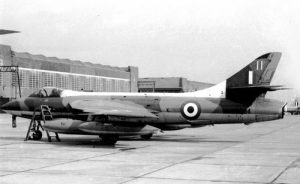
 

Hawker Woodcock 01: Hawker Woodcock J6987


Hawker Woodcock 02: Hawker Woodcock J6987 taken from another angle


Hawker Woodcock 03: Hawker Woodcock J7516


Hawker Woodcock 04: Hawker Woodcock J7517


Hawker Woodcock 05: Hawker Woodcock J7734, 3 Squadron


Hawker Woodcock 06: Hawker Woodcock J8299, 17 Squadron


Hawker Woodcock 07: Hawker Woodcock J7960, 17 Squadron


Hawker Woodcock 08: Hawker Woodcock J7961, 17 Squadron


Hawker Woodcock 09: Hawker Woodcock J7971, 17 Squadron


Hawker Woodcock 10: Three Woodcocks of 3 Squadron taking off with J8292 leading and J8303 on its right


Hawker Woodcock 11: Woodcock J8313 of Station Flight Duxford, 1928


Hawker Woodcock 12: Three Woodcocks of 17 Squadron in formation with J8300 leading and J8297 on its right


Hawker Woodcock 13: Line-up of Woodcocks, 17 Squadron

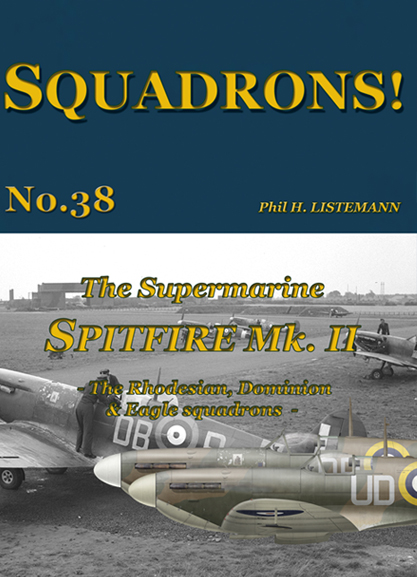
SQUADRONS! No.38 – The Supermarine Spitfire Mk II – The Rhodesian, Dominion and Eagle squadrons

Once production of the Spitfire Mk.I was underway, an improved version was looked at based around the 1175hp Merlin XII. The Spitfire Mk.II, or Supermarine 329 as its constructor named it, was born. Great hopes were placed in this new version as an order for 1000 aircraft was placed on 12 April 1939, before the mark’s first flight, for serials P7280 – P8799. This production run was launched at Castle Bromwich in Birmingham, the new Supermarine production line. The first aircraft were delivered in June 1940 and the Spitfire Mk.II included all improvements and refine¬ments added to the Spitfire Mk.I. Deliveries continued up to July 1941. The Mk.II entered service, in the midst of the Battle of Britain, first with 66 Squadron and progressively, the Spitfire Mk.II became standard equipment across Fighter Command with no less than 56 squadrons known to have been equipped, fully or partially, with the mark. Peak usage was reached during the summer of 1941, but, from the autumn of that year, it began to be withdrawn from first line units in favour of the Mk.V. Among the squadrons equipped with the Spitfire Mk II, there were the squadrons manned by men coming from Southern Rhodesia, Canada, Australia, New Zealand and from the USA with the famous Eagle squadrons. Illustrated with 30 photographs and six colour profiles. 42 pages

REVISED SEPTEMBER 2022

Profiles:

P7308/XR-D – 71 Sqn (P/O WR Dunn)

P8136/AV-S – 121 Sqn

P8505/UO-H – 266 Sqn 

P7923/DB-R – 411 Sqn

P7786/UD-C – 452 Sqn 

P8175/BP-R – 457 Sqn

Available as a paper version with ISBN 979-1096490-60-8

**********************

HOW TO ORDER:

Send your mailing address  with your phone number in using ‘contact’ button and we will respond with a Paypal request with the following amount:

EU, UK and USA: 14.00 Euros postage included

Rest of the World: 16.00 Euros postage included

Multiple purchases with combined postage possible.

********************

Pdf is available as 979-1096490-61-5

New PDF uploaded January 2024

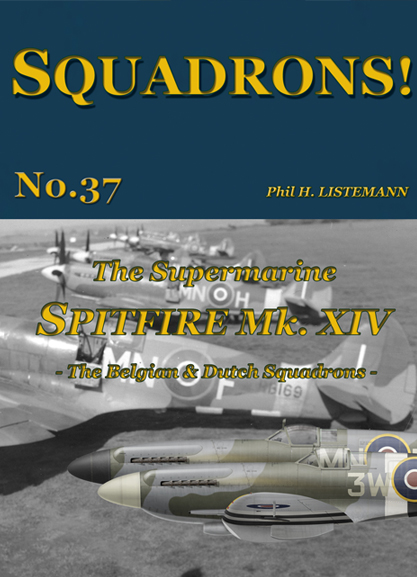
SQUADRONS! No.37: The Supermarine Spitfire Mk XIV – The Belgian and Dutch squadrons

The Spitfire XIV was the logical development of the Spitfire Mk XII (see SQUADRONS! 5). The Mk.XIV differed from the Mk.XII in that the longer, two-stage supercharged Griffon 65 was mounted further forward. A new five-bladed Rotol propeller was used and was the most obvious visual difference compared to earlier marks. The first batch of aircraft to fly with the Griffon 60 series engines were six converted Mk.VIIIs . The first one of these was flown on 20 January 1943, with production ordered following a series of trials. The first aircraft left the production line in October 1943 following the amendment of existing Spitfire contracts. The XIV was initially seen as an interim design pending the Spitfire Mk.XVIII’s availability. Delays with the XVIII meant the XIV became one of the major Spitfire fighter variants and a valuable asset for the RAF during the final year of the war. The XIV was built as a fighter, but was also developed for fighter-reconnaissance (FR) to replace the effective, but ageing, Mustang in the Tac/R role. The mark remained in service with the RAF and various foreign air forces, including Belgium, well after the war. During the war only a limited number of squadrons were re-equipped with the type and among them, one Belgian squadron (350) and one Dutch squadron (322). This book covers the operational usage of the Spitfire XIV by those two units which were engaged against the V-1 and with the 2 TAF. This book is illustrated with about 35 photos and five colour profiles.


Profiles:

RM693/MN-S – 350 Sqn 

NH689/MN-B – 350 Sqn

MV267/MN-D – 350 Sqn 

NH700/VL-P – 322 Sqn

NH718/3W-G – 322 Sqn (Maj KC Kuhlmann)


Available as a paper version with ISBN 979-1096490-58-5

**********************

HOW TO ORDER:

Send your mailing address  with your phone number in using ‘contact’ button and we will respond with a Paypal request with the following amount:

EU, UK and USA: 13.50 Euros postage included

Rest of the World: 16.00 Euros postage included

Multiple purchases with combined postage possible.

********************

Pdf version is available below as 979-1096490-59-2

(new PDF uploaded September 2023)

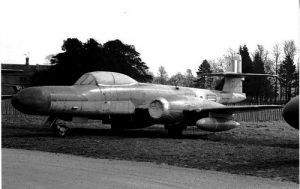
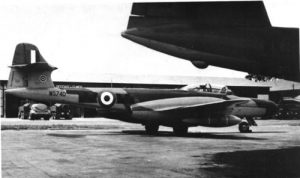
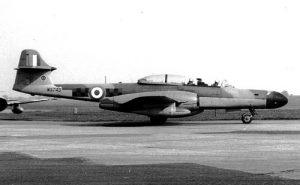
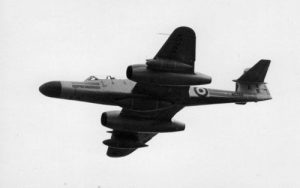
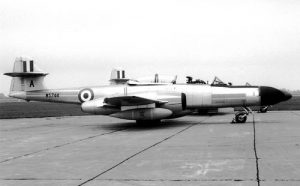
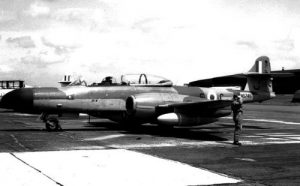
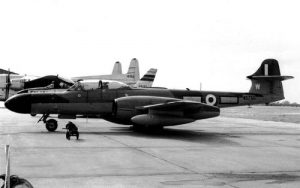
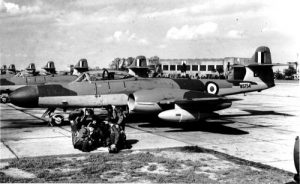
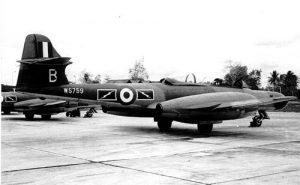
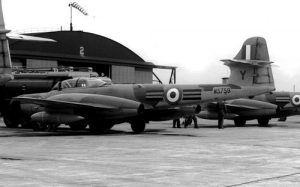
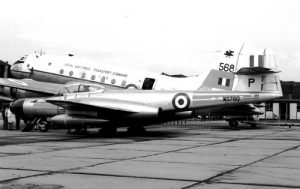
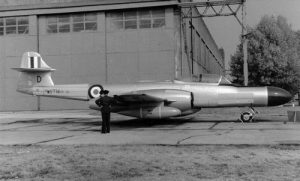
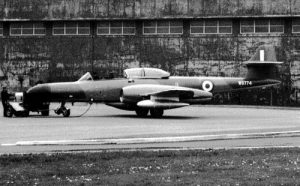
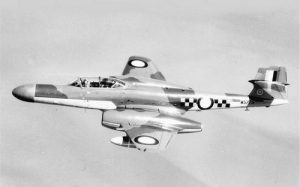
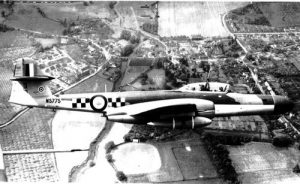
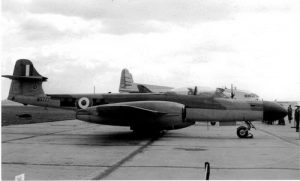
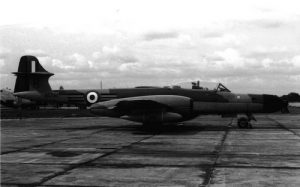
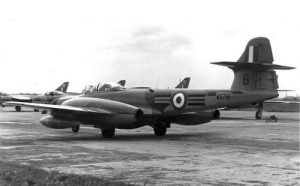
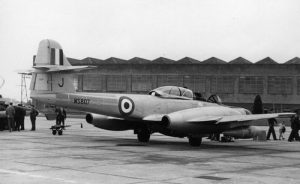
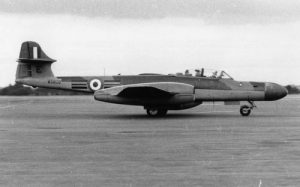
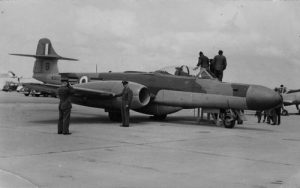
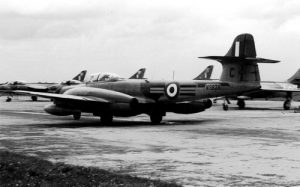
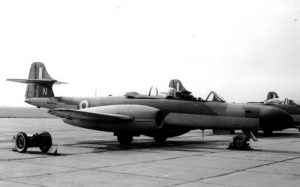
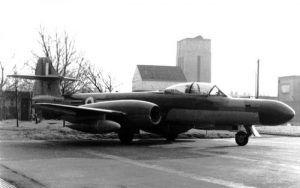
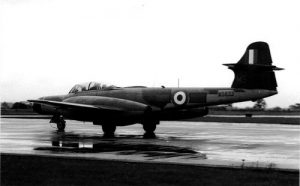
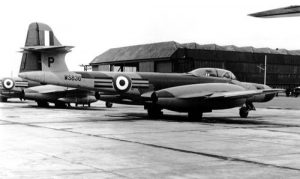
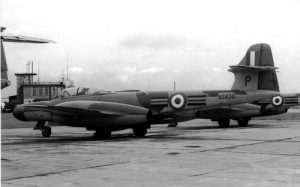
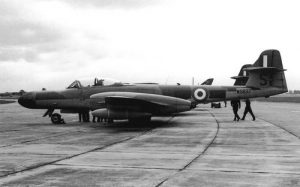
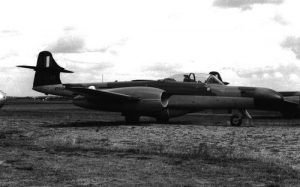
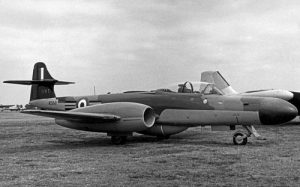
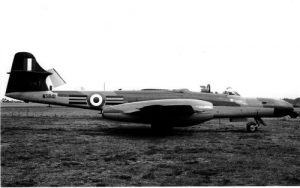
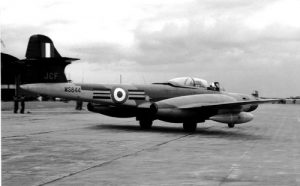
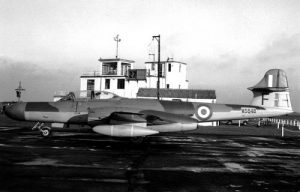
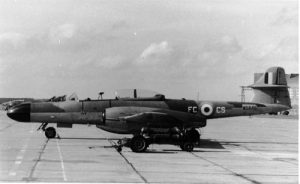
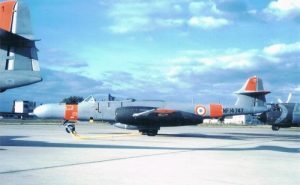
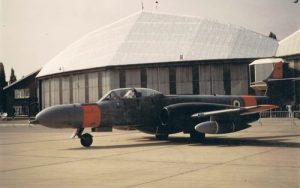
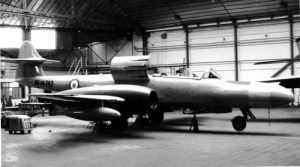
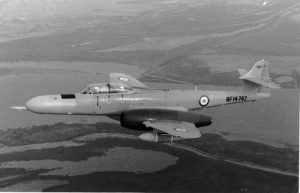
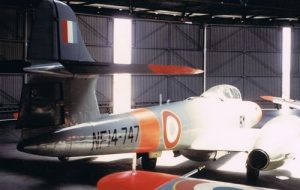
November 2019 : Gloster Meteor NF.14 – 47 photos

Each photograph is offered at a 300dpi res/13x8cm size making them available for a very good quality digital print, but also for Iphone/IPad, smartphone or computer screen (but should convert the image into a jpeg format for doing so)


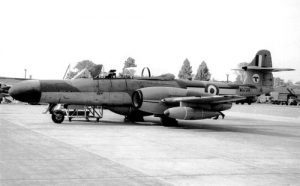
Gloster Meteor NF.14 – 01: Meteor NF.14 WS726/H, No. 25 Squadron


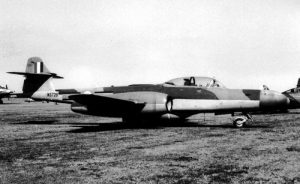
Gloster Meteor NF.14 – 02: Meteor NF.14 WS729/A, No. 25 Squadron


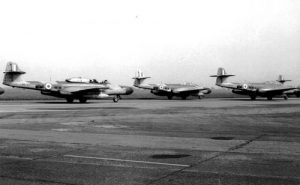
Gloster Meteor NF.14 – 03: Meteor NF.14s of 85 Squadron taxiing with WS734/H in the rear


Gloster Meteor NF.14 – 04: Meteor NF.14 WS735/A, No. 152 Squadron (derelick)


Gloster Meteor NF.14 – 05: Meteor NF.14 WS740, No. 85 Squadron


Gloster Meteor NF.14 – 06: Meteor NF.14 WS743/M, No. 85 Squadron


Gloster Meteor NF.14 – 07: Meteor NF.14 WS744/A, 1 ANS


Gloster Meteor NF.14 – 08: see above


Gloster Meteor NF.14 – 09: Meteor NF.14 WS745/J, AWDS


Gloster Meteor NF.14 – 10: Meteor NF.14 WS750/W, No. 25 Squadron


Gloster Meteor NF.14 – 11: Meteor NF.14 WS754/D, No. 60 Squadron


Gloster Meteor NF.14 – 12: Meteor NF.14 WS759/B, No. 60 Squadron


Gloster Meteor NF.14 – 13: Meteor NF.14 WS759/Y, No. 33 Squadron


Gloster Meteor NF.14 – 14: Meteor NF.14 WS760/P, 1 ANS


Gloster Meteor NF.14 – 15: Meteor NF.14 WS774/D, 1 ANS


Gloster Meteor NF.14 – 16: Meteor NF.14 WS774


Gloster Meteor NF.14 – 17: Meteor NF.14 WS775, No. 85 Squadron


Gloster Meteor NF.14 – 18: See above


Gloster Meteor NF.14 – 19: Meteor NF.14 WS777, No. 85 Squadron


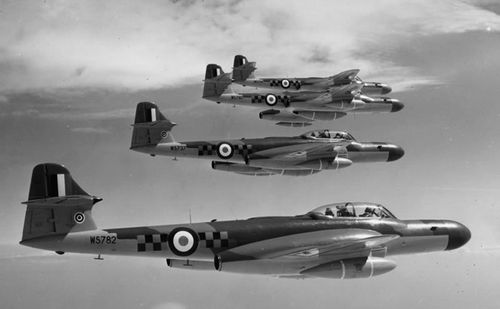
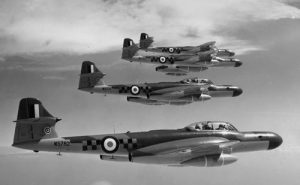
Gloster Meteor NF.14 – 20: Meteor NF.14s of No. 85 Squadron flying in formation


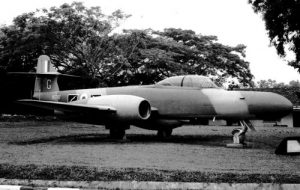
Gloster Meteor NF.14 – 21: Meteor NF.14 WS787/G, No. 60 Squadron (gate guard)


Gloster Meteor NF.14 – 22: Meteor NF.14 WS790/H, No. 33 Squadron


Gloster Meteor NF.14 – 23: Meteor NF.14 WS791/B, No. 33 Squadron


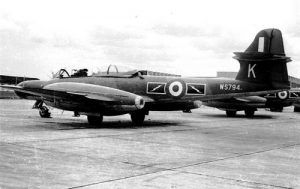
Gloster Meteor NF.14 – 24: Meteor NF.14 WS794/K, No. 60 Squadron


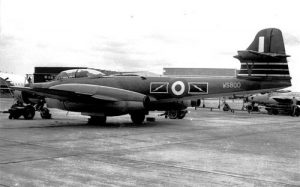
Gloster Meteor NF.14 – 25: Meteor NF.14 WS800/V, No. 60 Squadron


Gloster Meteor NF.14 – 26: Meteor NF.14 WS807/J, 1 ANS


Gloster Meteor NF.14 – 27: Meteor NF.14 WS809/E, No. 264 Squadron


Gloster Meteor NF.14 – 28: Meteor NF.14 WS810/B, No. 264 Squadron


Gloster Meteor NF.14 – 29: Meteor NF.14 WS828/C, No. 264 Squadron

Gloster Meteor NF.14 – 30: Meteor NF.14 WS832/N, AWOCU


Gloster Meteor NF.14 – 31: Meteor NF.14 WS831/X, No. 264 Squadron


Gloster Meteor NF.14 – 32: Meteor NF.14 WS833/MS, No. 72 Squadron


Gloster Meteor NF.14 – 33: Meteor NF.14 WS836/P, No. 264 Squadron


Gloster Meteor NF.14 – 34: See above


Gloster Meteor NF.14 – 35: Meteor NF.14 WS837/S, No. 72 Squadron


Gloster Meteor NF.14 – 36: Meteor NF.14 WS841/HMT, No. 264 Squadron


Gloster Meteor NF.14 – 37: See above


Gloster Meteor NF.14 – 38: See above


Gloster Meteor NF.14 – 39: Meteor NF.14 WS844/JCF, No. 264 Squadron


Gloster Meteor NF.14 – 40: Meteor NF.14 WS848/F, CFE


Gloster Meteor NF.14 – 41: Meteor NF.14 WS848, FCCS


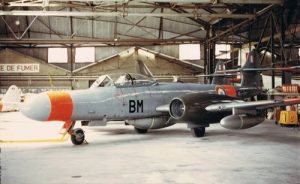
French Gloster Meteor NF.14 – 101: Meteor NF.14 NF14-747


French Gloster Meteor NF.14 – 102: Meteor NF.14 NF14-747/BM


French Gloster Meteor NF.14 – 103: See photo 101


French Gloster Meteor NF.14 – 104: Meteor NF.14 NF14-747


French Gloster Meteor NF.14 – 105: Meteor NF.14 NF14-747


French Gloster Meteor NF.14 – 106: Meteor NF.14 NF14-747 (see photo 102 for opposite side)

October 2019: Bristol Sycamore – 23 photos

Each photograph is offered at a 300dpi res/13x8cm size making them available for a very good quality digital print, but also for Iphone/IPad, smartphone or computer screen (but should convert the image into a jpeg format for doing so)


Sycamore 01:  Prototype Bristol Sycamore VL958 in September 1958


Sycamore 11: Bristol Sycamore HR.12 WV781, ASWDU/F-Z (Air-Sea Warfare Development Unit)


Sycamore 12: Bristol Sycamore HR.12 WV784


Sycamore 21: Bristol Sycamore HR.14 XE306 of the A&AEE during the test programme


Sycamore 22: Bristol Sycamore HR.14 XF269/S-G, CFS (Central Flying School) – – see also photo 38 for a different markings


Sycamore 23: Bristol Sycamore HR.14 XG504, MCS (Metropolitan Communications Squadron)


Sycamore 24: Bristol Sycamore HR.14 XG504, No. 32 Squadron


Sycamore 25: Another view of Bristol Sycamore HR.14 XG504, MCS (Metropolitan Communications Squadron)


Sycamore 26: Another view Bristol Sycamore HR.14 XG504, MCS (Metropolitan Communications Squadron)


Sycamore 27: Bristol Sycamore HR.14 XG508, No. 275 Squadron, Sep 58


Sycamore 28: Bristol Sycamore HR.14 XG514/D, CFS (Central Flying School)


Sycamore 29: Bristol Sycamore HR.14 XG521, No. 275 Squadron


Sycamore 30: Bristol Sycamore HR.14 XG547/S-T, CFS (Central Flying School)


Sycamore 31: Bristol Sycamore HR.14 XJ364


Sycamore 32: Bristol Sycamore HR.14 XJ385/J, CFS (Central Flying School)


Sycamore 33: Bristol Sycamore HR.14 XJ897/S-S, CFS (Central Flying School)


Sycamore 34: Bristol Sycamore HR.14 XJ915, No. 275 Squadron, Oct 57


Sycamore 35: Bristol Sycamore HR.14 XJ918, No. 275 Squadron, May 1958


Sycamore 36: Bristol Sycamore HR.14 XJ918, MCS (Metropolitan Communications Squadron)


Sycamore 37: Bristol Sycamore HR.14 XJ919, No. 275 Squadron


Sycamore 38: Bristol Sycamore HR.14 XF269/G, CFS (Central Flying School) – – see also photo 22 for a different markings


Sycamore 51: Bristol Sycamore HR.51 XN448, Royal Australian Navy


Sycamore 37: Bristol Sycamore Mk. 52s of the Federal German Navy

September 2019: Hawker Hunter FR.10 – 48 photos


Each photograph is offered at a 300dpi res/13x8cm size making them available for a very good quality digital print, but also for Iphone/IPad, smartphone or computer screen (but should convert the image into a jpeg format for doing so)

Hunter FR.10 – 01: Hunter FR.10 WW594/11, 229 OCU
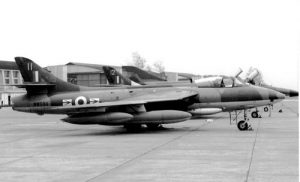
 

Hunter FR.10 – 02: Hunter FR.10 WW594/11, 229 OCU (with shadow squadron markings)
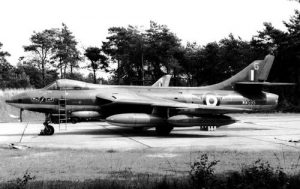
 

Hunter FR.10 – 03: Hunter FR.10 WW595/G, 4 Squadron
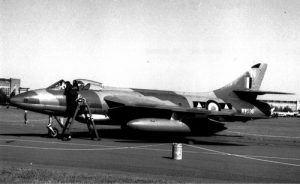
 

Hunter FR.10 – 04: Hunter FR.10 WW596/N, 2 Squadron
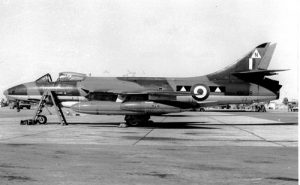
 

Hunter FR.10 – 05: Hunter FR.10 WW596/N, 2 Squadron (marking variant)
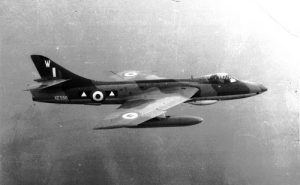
 

Hunter FR.10 – 06: Hunter FR.10 XE556/W, 2 Squadron
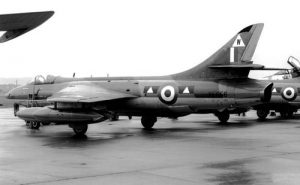
 

Hunter FR.10 – 07: Hunter FR.10 XE556/W, 2 Squadron (markings variant)
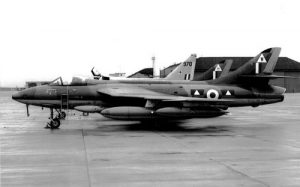
 

Hunter FR.10 – 08: Hunter FR.10 XE556/W, 2 Squadron
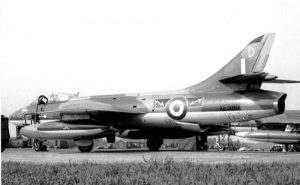
 

Hunter FR.10 – 09: Hunter FR.10 XE580/D, 4 Squadron
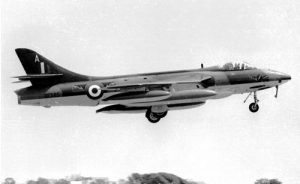
 

Hunter FR.10 – 10: Hunter FR.10 XE585/A, 4 Squadron
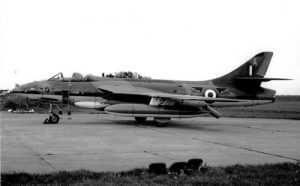
 

Hunter FR.10 – 11: Hunter FR.10 XE585/A, 4 Squadron
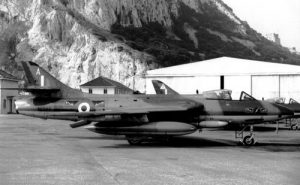
 

Hunter FR.10 – 12: Hunter FR.10 XE585/A, 4 Squadron
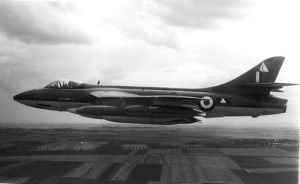
 

Hunter FR.10 – 13: Hunter FR.10 XE585/E, 2 Squadron
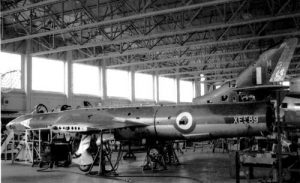
 

Hunter FR.10 – 14: Hunter FR.10 XE589/JM, 1417 Flt
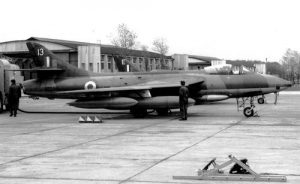
 

Hunter FR.10 – 15: Hunter FR.10 XE589/13, 229 OCU
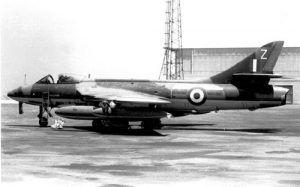
 

Hunter FR.10 – 16: Hunter FR.10 XE599/Z, 8 Squadron
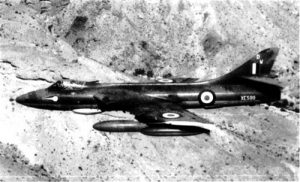
 

Hunter FR.10 – 17: Hunter FR.10 XE589/DW, 1417 Flt
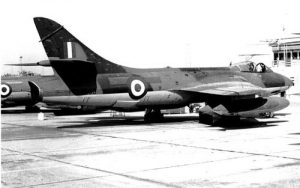
 

Hunter FR.10 – 18: Hunter FR.10 XE599, 8 Squadron
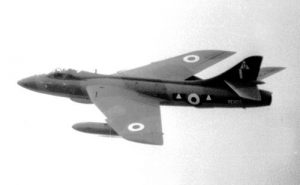
 

Hunter FR.10 – 19: Hunter FR.10 XE605/O, 2 Squadron
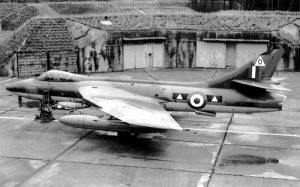
 

Hunter FR.10 – 20: Hunter FR.10 XE605/O, 2 Squadron
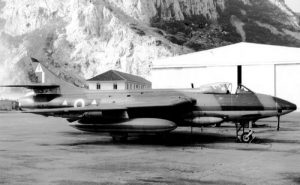
 

Hunter FR.10 – 21: Hunter FR.10 XE625/I, 2 Squadron
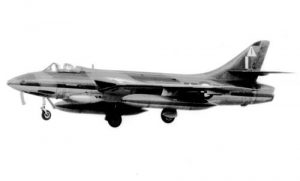
 

Hunter FR.10 – 22: Hunter FR.10 XE625/I, 2 Squadron
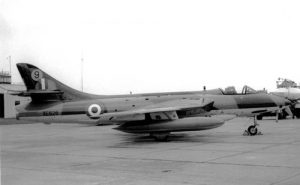
 

Hunter FR.10 – 23: Hunter FR.10 XE626/9, 229 OCU
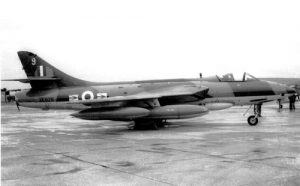
 

Hunter FR.10 – 24: Hunter FR.10 XE626/9, 229 OCU (with shadow squadron markings)
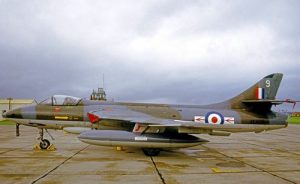
 

Hunter FR.10 – 25: Hunter FR.10 XE626/9, 229 OCU (with shadow squadron markings)
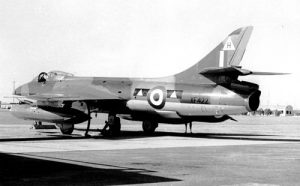
 

Hunter FR.10 – 26: Hunter FR.10 XF422/H, 2 Squadron
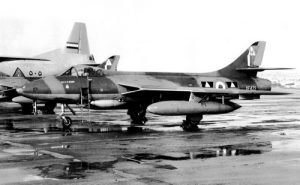
 

Hunter FR.10 – 27: Hunter FR.10 XF422/H, 2 Squadron
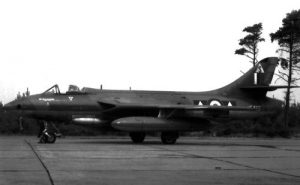
 

Hunter FR.10 – 28: Hunter FR.10 XF432/S, 2 Squadron
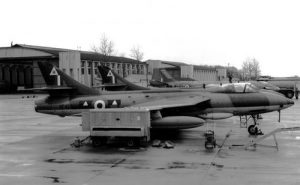
 

Hunter FR.10 – 29: Hunter FR.10 XF422/H, 2 Squadron
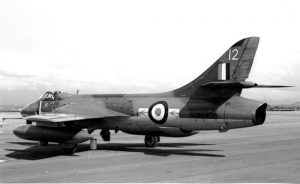
 

Hunter FR.10 – 30: Hunter FR.10 XF426/12, 229 OCU
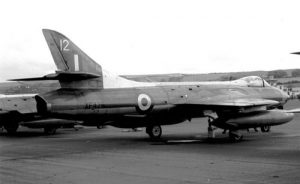
 

Hunter FR.10 – 31: Hunter FR.10 XF426/12, 229 OCU (initial markings)
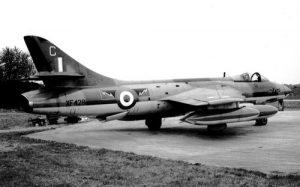
Hunter FR.10 – 32: Hunter FR.10 XF428/C, 4 Squadron
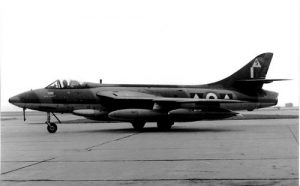
 

Hunter FR.10 – 33: Hunter FR.10 XF432/S, 2 Squadron
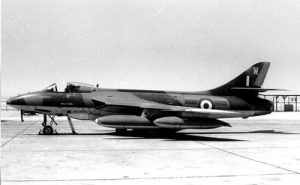
 

Hunter FR.10 – 34: Hunter FR.10 XF436/W, 8 Squadron
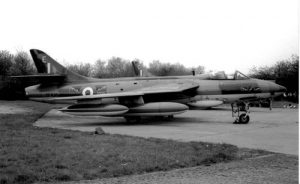
 

Hunter FR.10 – 35: Hunter FR.10 XF438/E, 4 Squadron
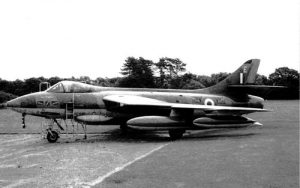
 

Hunter FR.10 – 36: Hunter FR.10 XF438/E, 4 Squadron
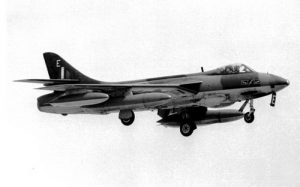
 

Hunter FR.10 – 37: Hunter FR.10 XF438/E, 4 Squadron
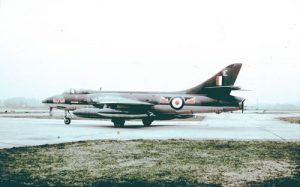
 

Hunter FR.10 – 38: Hunter FR.10 XF438/E, 4 Squadron
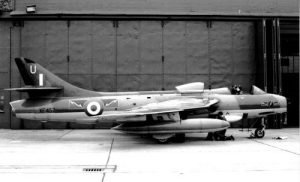
 

Hunter FR.10 – 39: Hunter FR.10 XF457/U, 4 Squadron
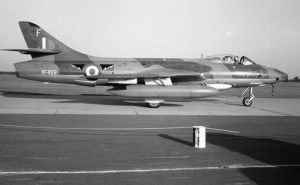
 

Hunter FR.10 – 40: Hunter FR.10 XF459/F, 4 Squadron
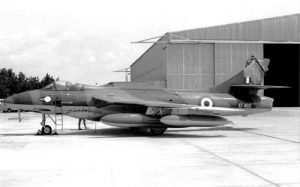
 

Hunter FR.10 – 41: Hunter FR.10 XF460/RB, 1417 Flight
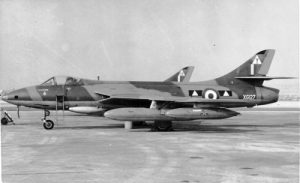
 

Hunter FR.10 – 42: Hunter FR.10 XG127/Y, 2 Squadron
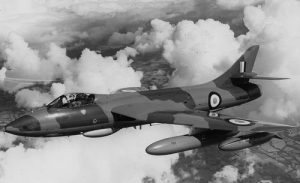
 

Hunter FR.10 – 43: Hunter FR.10 XG168
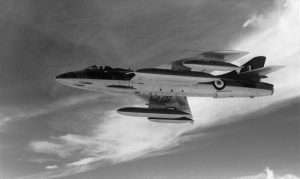
Hunter FR.10 – 44: Hunter FR.10 XG168
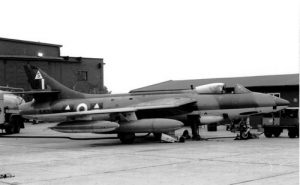
Hunter FR.10 – 45: Hunter FR.10 XJ633/S, 2 Squadron
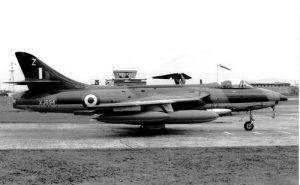
 

Hunter FR.10 – 46: Hunter FR.10 XJ694/Z, 4 Squadron
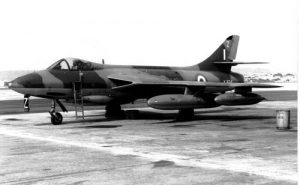
 

Hunter FR.10 – 47: Hunter FR.10 XJ694/Z, 4 Squadron
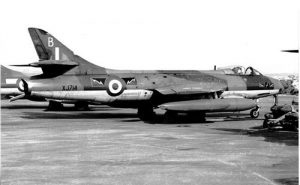
 

Hunter FR.10 – 48: Hunter FR.10 XJ714/B, 4 Squadron
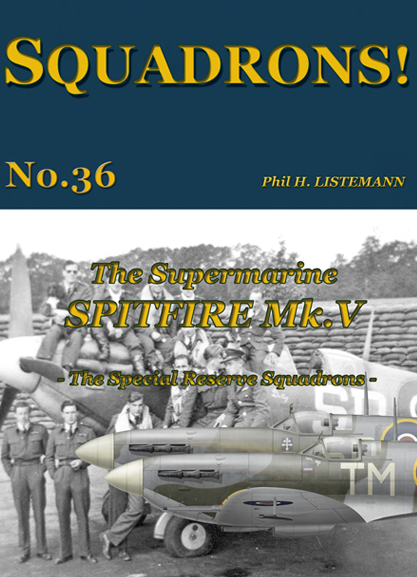
SQUADRONS! No.36: The Supermarine Spitfire Mk V – The Special Reserve squadrons

Paradoxically, the Mk.V, which ended up being the most numerous variant of the famous fighter built, was not even an intended development of the design. Indeed, it was only considered because of the abandonment of the Spitfire Mk.III. As the Luftwaffe was continually improving its formidable Messerschmitt Bf 109, the latest version of which, the Bf 109F, clearly outclassed the Spitfire Mk.II, the British had no other option but to rapidly find a successor to the latter. At this time, at the end of 1940, the British did not know what the Germans’ were planning and expected them to carry on undertaking daylight raids upon the return of nicer weather. The RAF, therefore, wanted to be ready to counter the new German fighter developments. A solution was soon found by mounting a Merlin 45 (former Merlin III), a simplified version of the Merlin XX, on a slightly strengthened Spitfire Mk.I or Mk.II airframe. Several Spitfires were thus modified, with either a Merlin 45 or Merlin 46, during the first weeks of 1941. The resulting feedback was good and the Air Ministry requested that Supermarine modify, as early as possible, Spitfires already on the assembly lines so they could be put into service as rapidly as possible. This is how the Spitfire Mk.V came to be. In 1941, the Spitfire Mk V progressively became the backbone of the Fighter Command while new squadrons were formed or coverted that year. Two pre-war squadrons, initially formed as Special Reserve squadrons, Nos. 501 and 504, converted to the type in 1941 and the book, made of 36 pages with about 25 photographs and five colour profiles, narrates their operational usage of the Spitfire Mk V.

Profiles:

W3846/SD-Z – 501 Sqn

W3457/SD-P – 501 Sqn

EN899/SD-P – 501 Sqn

EE624/TM-R – 504 Sqn

AA742/IRG – Ibsley Wing (Gleed)


ISBN: 979-1096490-56-1

**********************

HOW TO ORDER:

Send your mailing address  with your phone number in using ‘contact’ button and we will respond with a Paypal request with the following amount:

EU, UK and USA: 12.50 Euros postage included

Rest of the World: 15.00 Euros postage included

Multiple purchases with combined postage possible.

********************

Pdf version is available as 979-1096490-57-8

(new pdf downloaded September 2023)

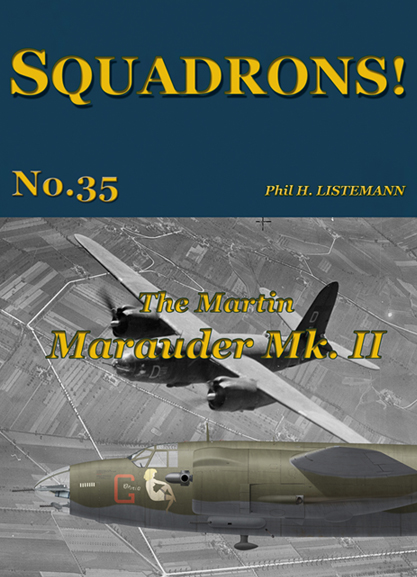
SQUADRONS! No.35: The Martin Marauder Mk II

In March 1941 the Lend-Lease agreement was approved by Congress and this breathed new life into the Commonwealth war effort. The RAF was able to study new types and the Martin Marauder was chosen to serve in the Middle East. After a first batch of Marauder Mk Is (see SQUADRONS! 13), a batch of Marauder Mk IIs (B-26C) followed. If the Marauder Mk I was used for anti-shipping ops, the Marauder Mk II would be mainly used as a conventional medium bomber in 1944. Two South African squadrons, 12 and 24, became the major Marauder Mk II operators generating a close link between the SAAF and the type but also with Belgium as some Belgian aircrew served with 12 and 24 Squadrons SAAF in 1944. The operational usage of the Marauder Mk II is here fully described in about 30 pages. Six colour profiles are also included.

Available as a paper version with ISBN 979-1096490-54-7

**********************

HOW TO ORDER:

Send your mailing address  with your phone number in using ‘contact’ button and we will respond with a Paypal request with the following amount:

EU, UK and USA: 14.00 Euros postage included

Rest of the World: 16.00 Euros postage included

Multiple purchases with combined postage possible.

********************

Pdf is available as 979-1096490-55-4

New PDF uploaded January 2024

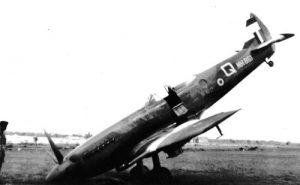
August 2019: Supermarine Spitfire XIV (Far East) – 26 photos

Each photograph is offered at a 300dpi res/13x8cm size making them available for a very good quality digital print, but also for Iphone/IPad, smartphone or computer screen (but should convert the image into a jpeg format for doing so)


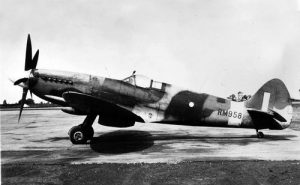
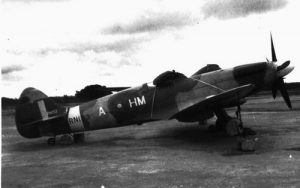
Spitfire XIV – 01: Spitfire XIV RM958 on its way to the Far East


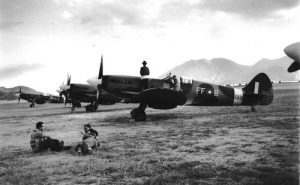
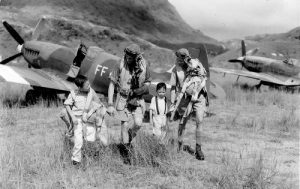
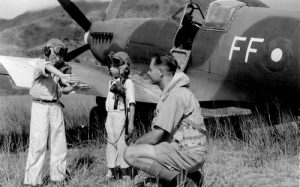
Spitfire XIV – 02: Spitfire XIV RN133/FF-B, 132 Sqn


Spitfire XIV – 03: Scenes in the Far East after 132 Sqn’s arrival


Spitfire XIV – 04: Scenes in the Far East after 132 Sqn’s arrival


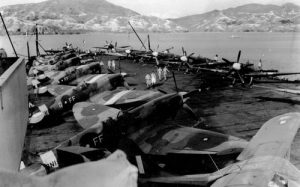
Spitfire XIV – 05: Spitfire XIVs of 132 Sqn awaiting to be disembarked. In the forefront RN156


Spitfire XIV – 06: Spitfire XIV RN193/A, 136 Sqn


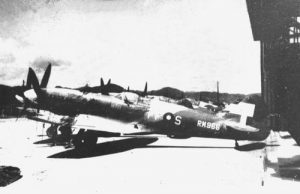
Spitfire XIV – 07: Spitfire XIV RM966/FF-S, 132 Sqn

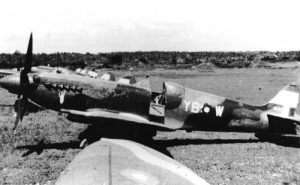
Spitfire XIV – 08: Spitfire XIV RN150/YB-W, 17 Sqn


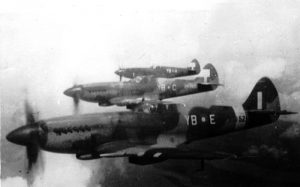
Spitfire XIV – 09: Spitfire XIV RN152/YB-E, 17 Sqn


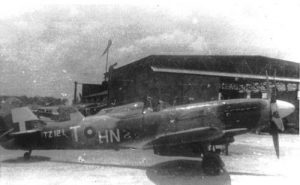
Spitfire XIV – 10: Spitfire XIV TZ121/HN-T, 20 Sqn


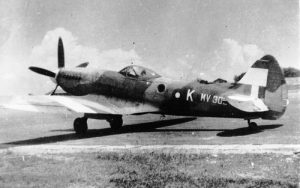
Spitfire XIV – 11: Spitfire XIV MV300/K, 28 Sqn


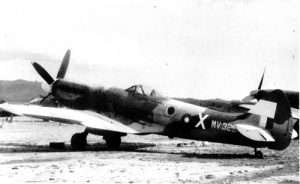
Spitfire XIV – 12: Spitfire XIV MV320/X, 28 Sqn


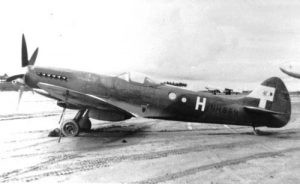
Spitfire XIV – 13: Spitfire XIV NH869/H, 28 Sqn


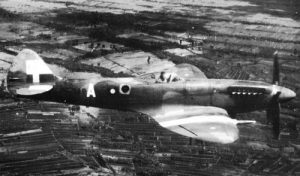
Spitfire XIV – 14: Spitfire XIV MV349/A, 28 Sqn


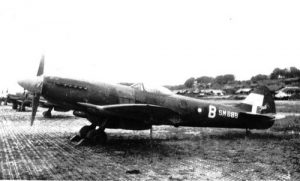
Spitfire XIV – 15: Spitfire XIV SM888/B, 28 Sqn

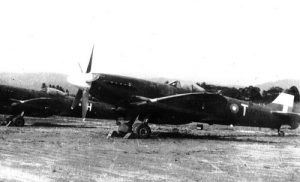
Spitfire XIV – 16: Spitfire XIV SM883/T, 28 Sqn

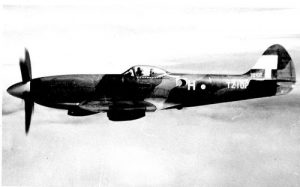
Spitfire XIV – 17: Spitfire XIV TZ102/H, 11 Sqn


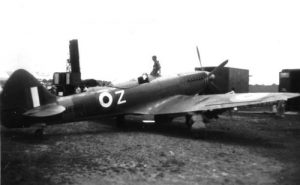
Spitfire XIV – 18: Spitfire XIV NH50/Z, 60 Sqn


Spitfire XIV – 19: Spitfire XIV NH851/Q, 60 Sqn


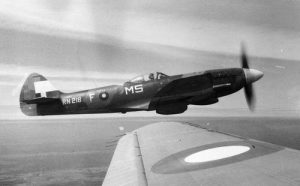
Spitfire XIV – 20: Spitfire XIV RN218/MS-F, 273 Sqn


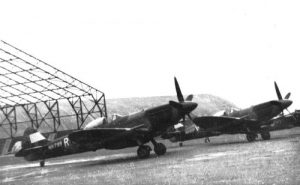
Spitfire XIV – 21: Spitfire XIV NH799/R & NH802/V, 9 Sqn RIAF


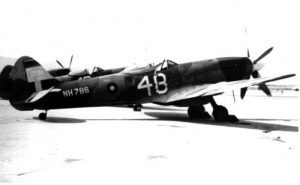
Spitfire XIV – 22: Spitfire XIV NH786/48 of 1 SFTS


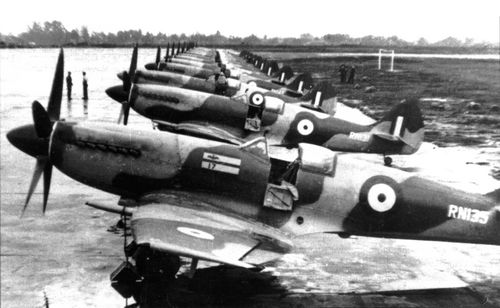
Spitfire XIV – 23: Spitfire XIV RN135, No. 17 Sqn (S/L Lacey’s mount)


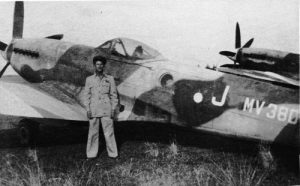
Spitfire XIV – 24: Spitfire XIV MV380/J  of No. 11 Sqn


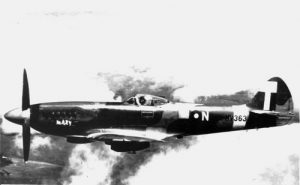
Spitfire XIV – 25: Spitfire XIV MV363/N, No. 11 Sqn


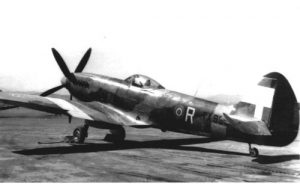
Spitfire XIV – 26: Spitfire XIV TX991/R, No. 8 Sqn RIAF


Volume VII

This Volume 7 contains 50 names:

J.H. Arkwright (NZ), G.D. Atherton (Aus), D.R.S. Bader (UK), T. Balmforth (UK), K.M. Barclay (Aus), J.R. Beirnes (Can), H.A.C. Bird-Wilson (UK), G.D.M. Blackwood (UK), H.P. Blatchford (Can), B.J.L. Boyle (SA), P.M. Brothers (UK), J.M. Bryan (UK), B.O. Budd (UK), K.L. Charney (UK), W.C. Connell (Can), P.P. Devendish (SA), B.A. Dupérier (Fr), C.A. Golding (SA), M. Gran (Nor), R.H. Harries (UK), W.J. Hibbert (UK), J. Himr (Cz), P.H. Hugo (SA), P.G. Jameson (NZ), H.C. Kennard (UK), R.H.C. Kershaw (SA), J.N. Mackenzie (NZ), I.D. McLachlan (Aus), G.A.L. Manton (UK), C.A. Masterman (UK), S.T. Meares (UK), R. Miller (UK), G.W. Northcott (Can), P.L. Parrott (UK), M. Pisarek (Pol), G.D. Robertson (Can), W.E. Schrader (NZ), F.D.S. Scott-Malden (UK), J.D. Sommerville (Can), A.C. Stewart (UK), P.D. Thompson (UK), A.A. van de Velde (Bel), J.W. Villa (UK), L.C. Wade (USA), J.E. Walker (Can), P.R. Walker (UK), H.E. Walmsley (UK), R.S. Woodward (UK), E.W. Wooten (UK), J. Zumbach (Pol)

with seven colour profiles


representing 15 DSOs, 68 DFCs


papaperback version available as ISBN:

979-1096490-46-2 (standard) 

*******************

HOW TO ORDER:

Send your mailing address  with your phone number in using ‘contact’ button and we will respond with a Paypal request with the following amount:

EU, UK and USA: 18.00 Euros (standard) postage included

Rest of the World: 20.00 Euros (standard) postage included

*******************

Pdf , epub and kindle formats are now available as 979-1096490-47-9