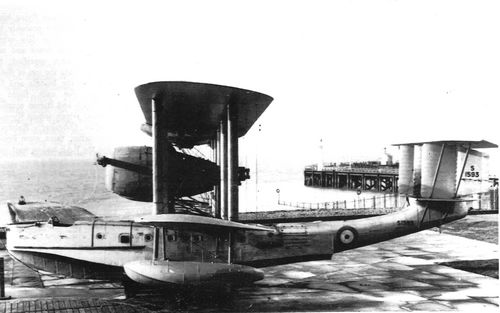
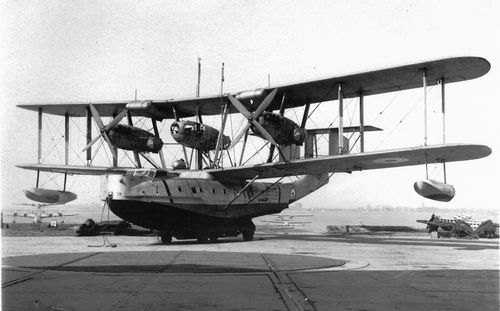
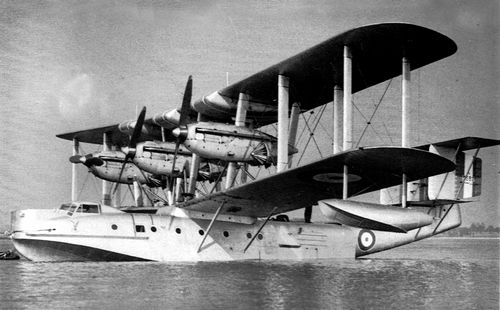
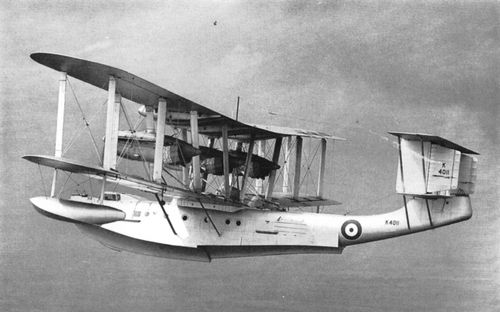
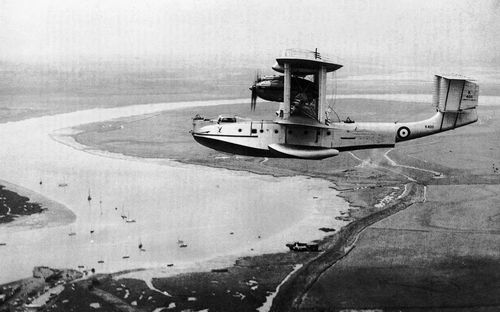
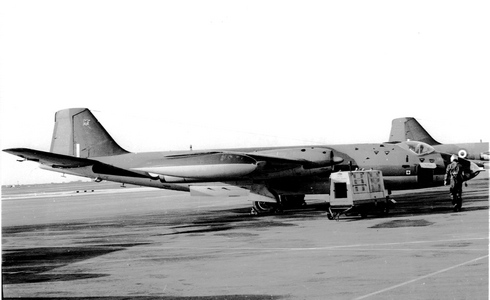
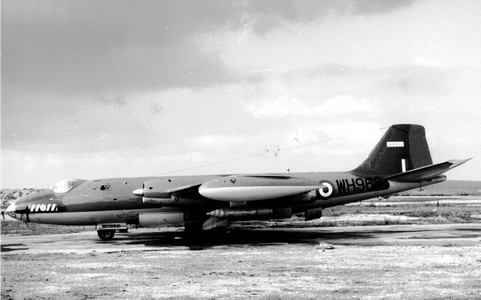
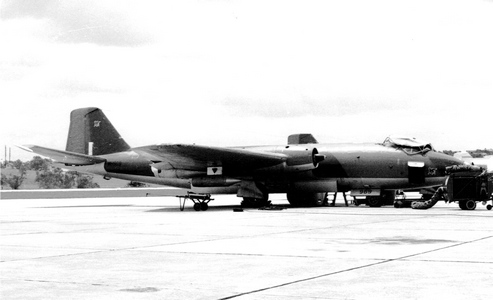
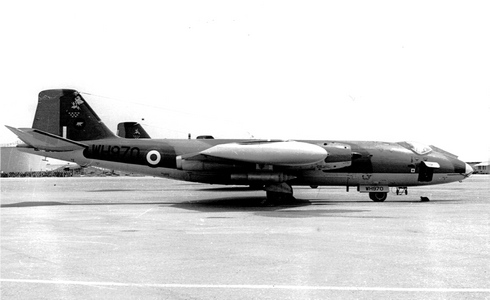
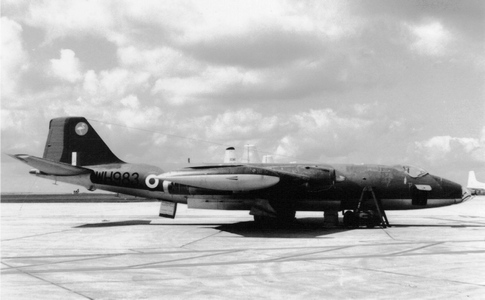
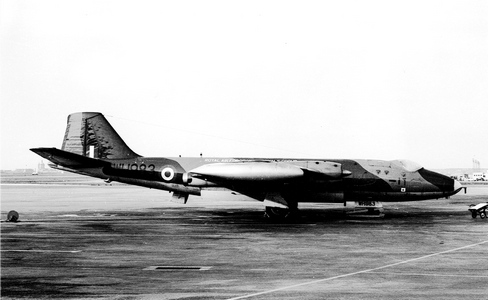
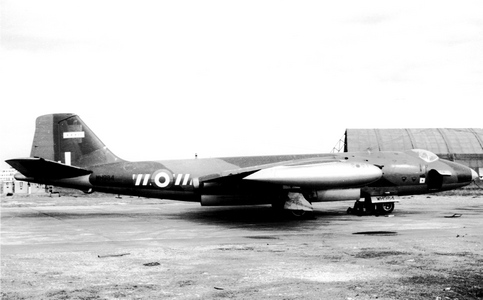
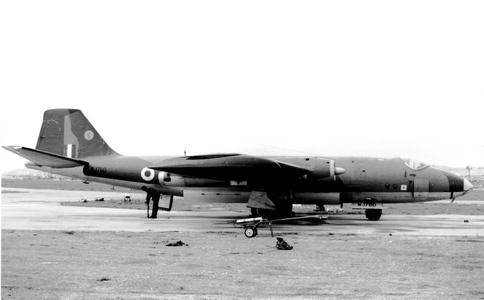
Each photograph is offered at a 300dpi res/13x8cm size making them available for a very good quality digital print, but also for Iphone/IPad, smartphone or computer screen (but should convert the image into a jpeg format for doing so)
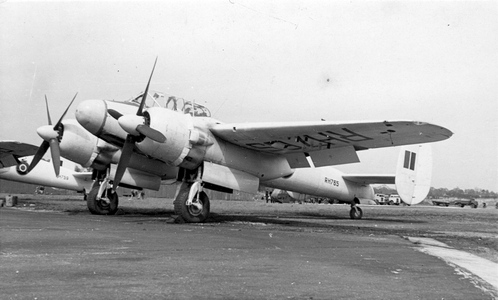

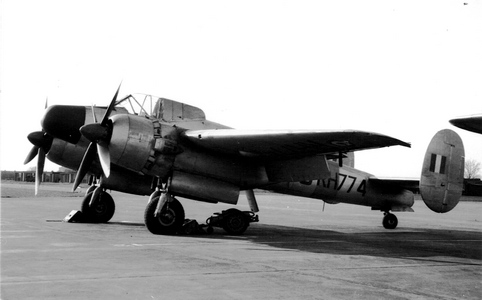
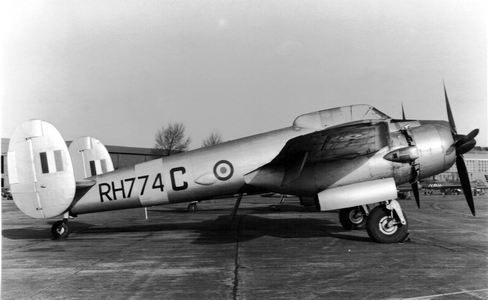
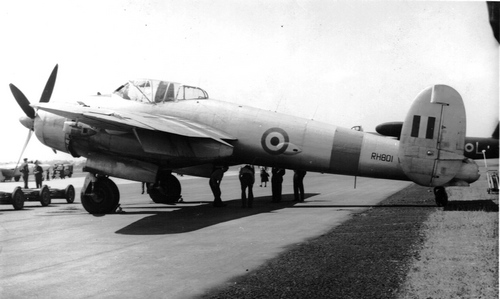
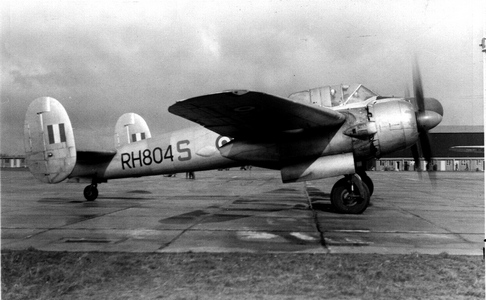
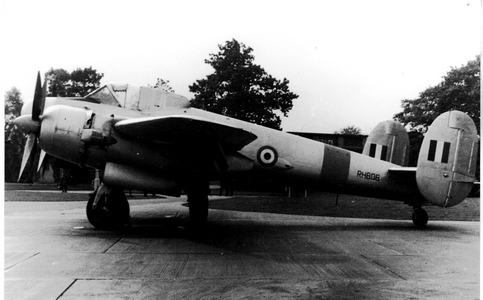
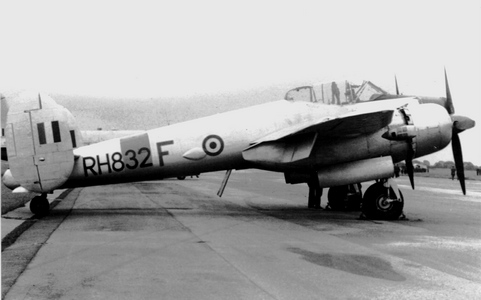
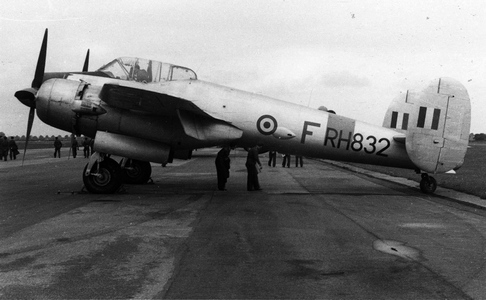
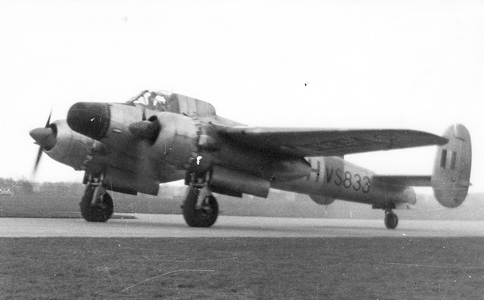
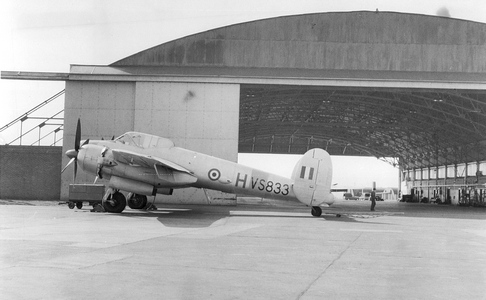
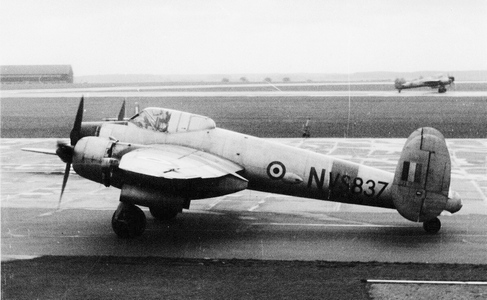

Each photograph is offered at a 300dpi res/13x8cm size making them available for a very good quality digital print, but also for Iphone/IPad, smartphone or computer screen (but should convert the image into a jpeg format for doing so)
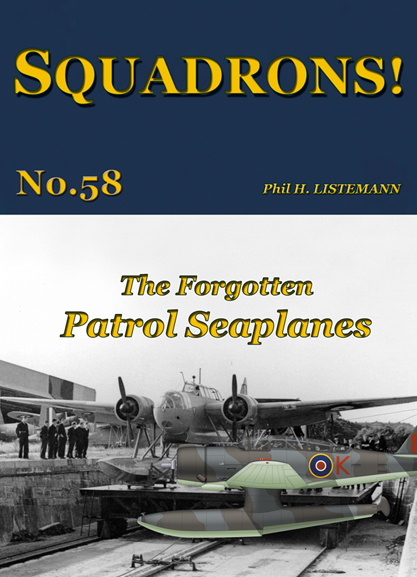
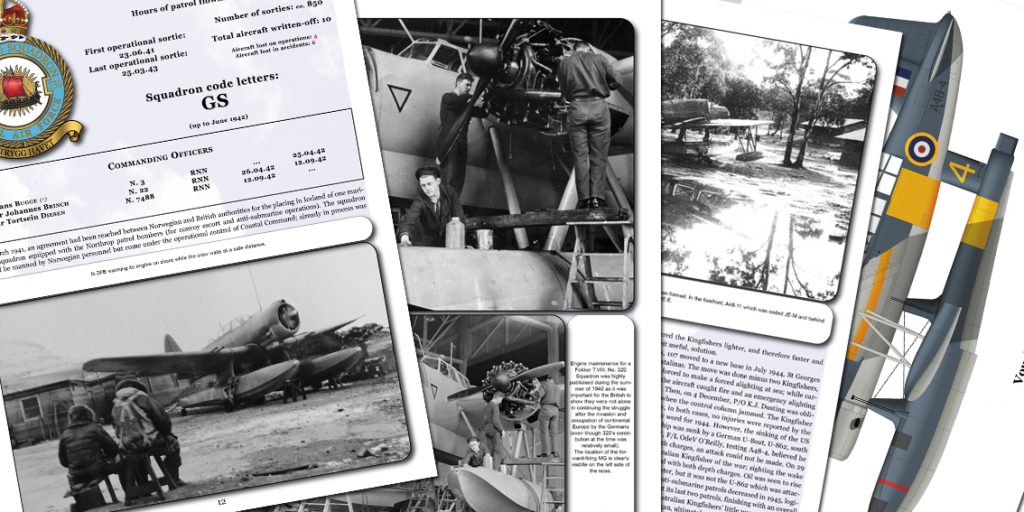
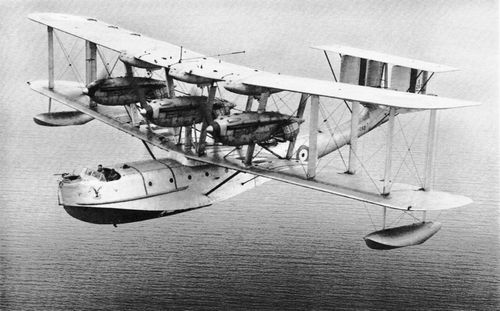
The fortunes of war gave the opportunity for some aircraft types to play a role or fly in markings other than originally intended. With the invasion of many European countries in the first months of the war, only the British Empire remained in the fight with bases relatively safe to operate from. Many defeated airmen, often with their aircraft, found asylum at these bases. Among the aircraft which fled their original countries were patrol seaplanes. In some cases, the numbers of certain aircraft, or the fact they were simply in the right place at the right time, were enough to for the RAF to consider their use. This was certainly true for the Dutch Fokker T.VIIIs, Yugoslavian Dornier 22s and the Rogožarski SIM-XIV. Alternatively, it was often simply an order of aircraft not delivered before the destination country fell to the enemy. That was the case for the Norwegians’ Northrop N-3PBs and the Netherlands’ Vought OS2U Kingfishers. Those types entered RAF and RAAF service respectively but, because of the small quantities involved, they did not see widespread use; that doesn’t mean they were useless though. 35 photos.
ISBN: 979-1096490-99-8
************************
HOW TO ORDER:
Send your mailing address with your phone number in using ‘contact’ button and we will respond with a Paypal request with the following amount:
EU, UK and USA: 13.50 Euros postage included
Rest of the World: 15.50 Euros postage included
Multiple purchases with combined postage possible.
********************
PDF version is also available as 978-2-494471-05-4
(see below)
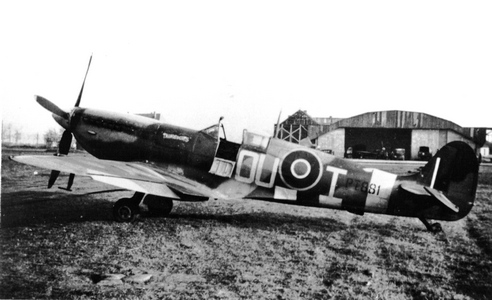
Each photograph is offered at a 300dpi res/13x8cm size making them available for a very good quality digital print, but also for Iphone/IPad, smartphone or computer screen (but should convert the image into a jpeg format for doing so)
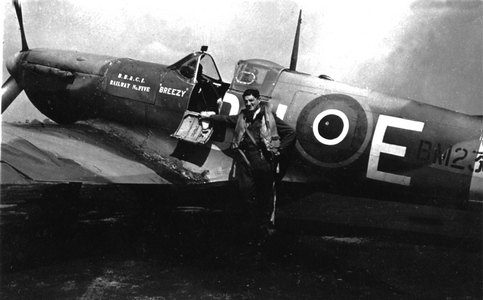
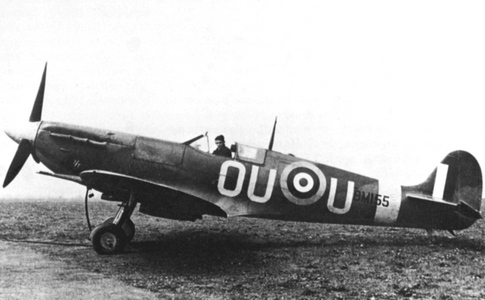
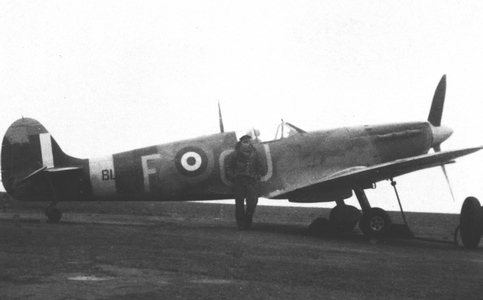
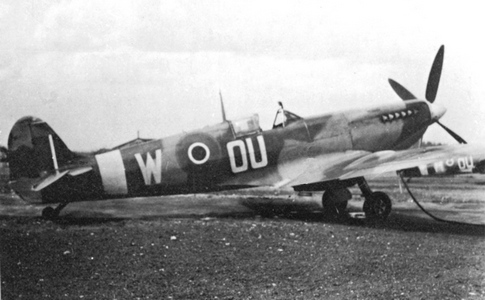
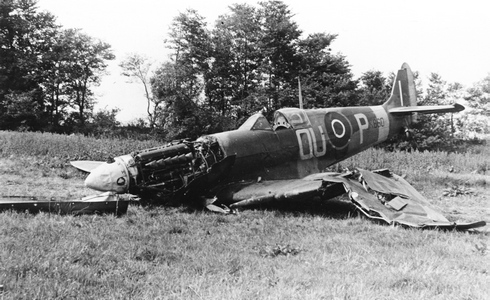
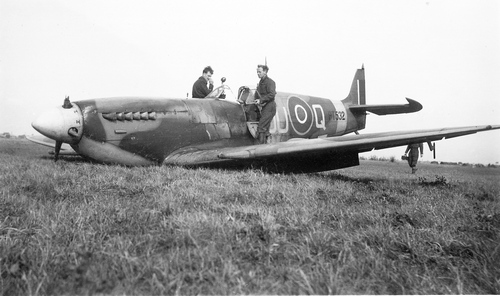
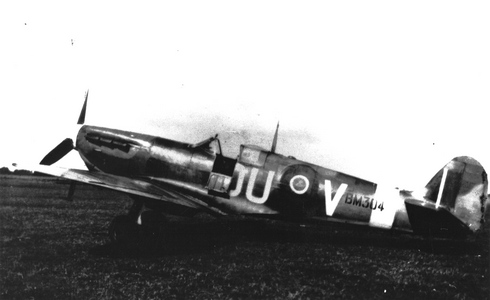
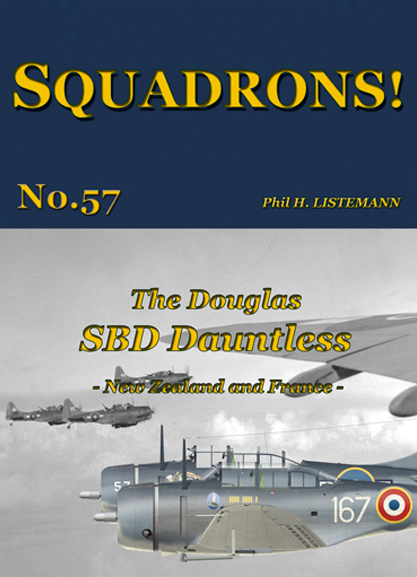
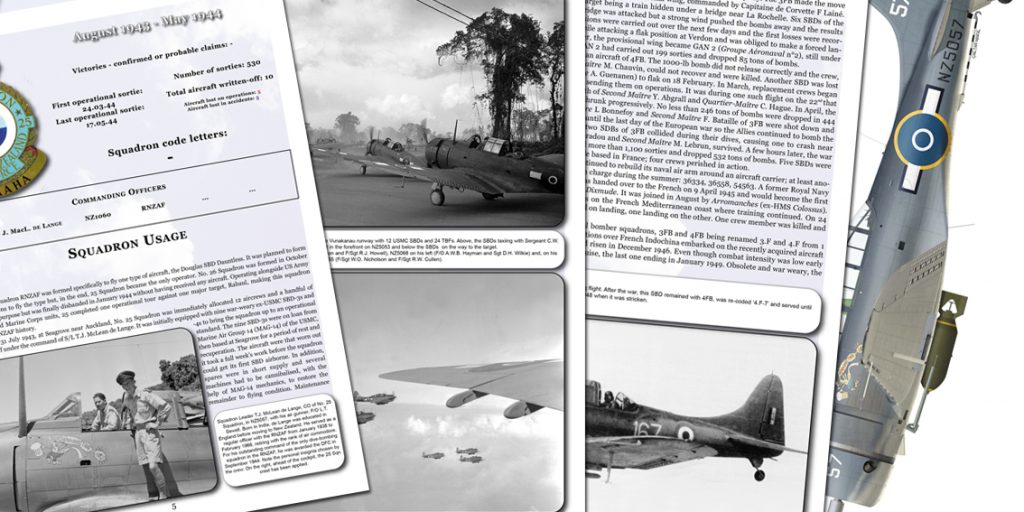
Conceived in 1939 from the BT-1, the Douglas SBD Dauntless was almost obsolescent by the time the USA went into war in December 1941. However, in the absence of a suitable replacement, it became the backbone of the Pacific air war and rendered excellent service as a bomber, dive bomber, scout and reconnaissance aircraft until 1945. Even if close to 6,000 aircraft were produced during the war until the summer of 1944, very few were eventually supplied to the Allies. A single RNZAF squadron, No. 25, completed a tour in the Solomons in 1944, while the French Navy used the SBD against German strongholds on the French Atlantic coast in 1944-1945. Illustrated with about 50 photos.
ISBN: 979-1096490-98-1
************************
HOW TO ORDER:
Send your mailing address with your phone number in using ‘contact’ button and we will respond with a Paypal request with the following amount:
EU, UK and USA: 13.50 Euros postage included
Rest of the World: 15.50 Euros postage included
Multiple purchases with combined postage possible.
******************
PDF version is also available as 978-2-494471-04-7
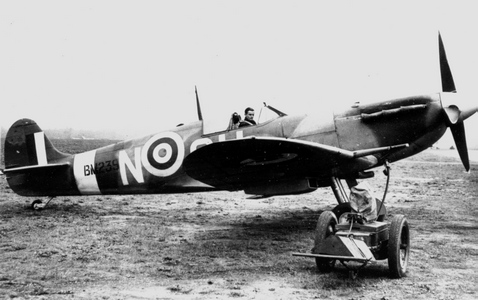
Each photograph is offered at a 300dpi res/13x8cm size making them available for a very good quality digital print, but also for Iphone/IPad, smartphone or computer screen (but should convert the image into a jpeg format for doing so)
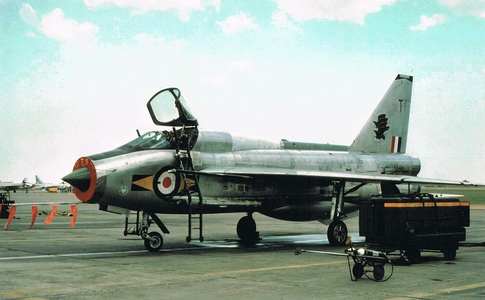
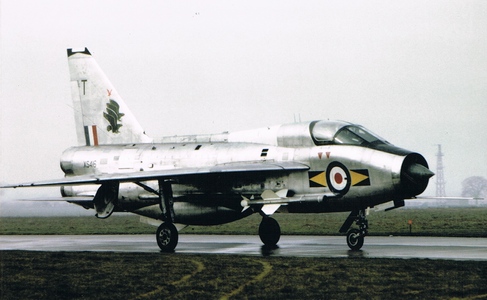
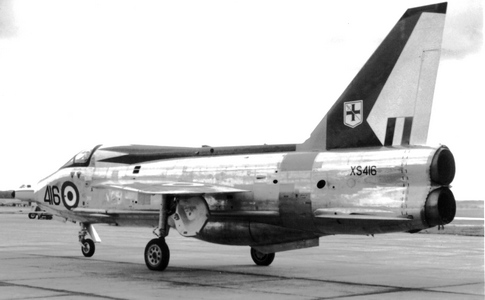

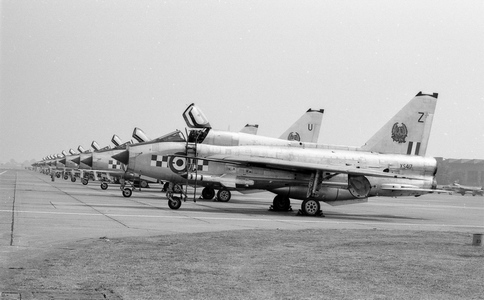
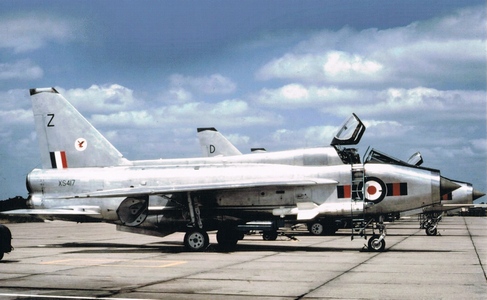
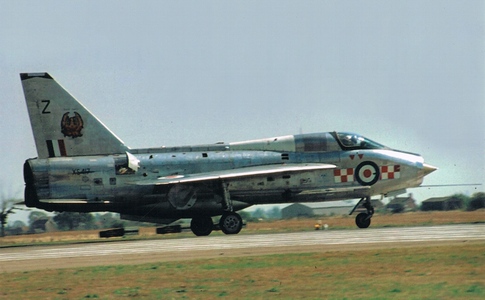
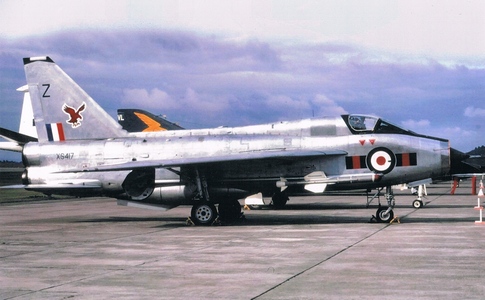
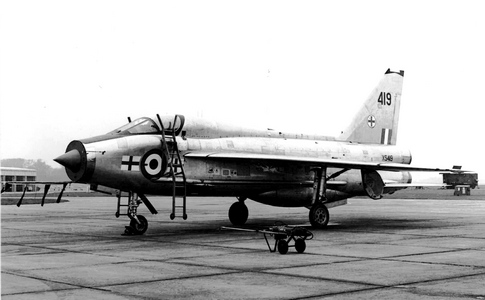
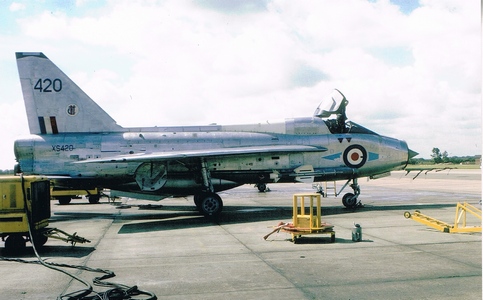
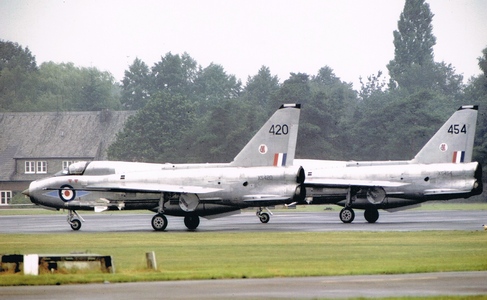
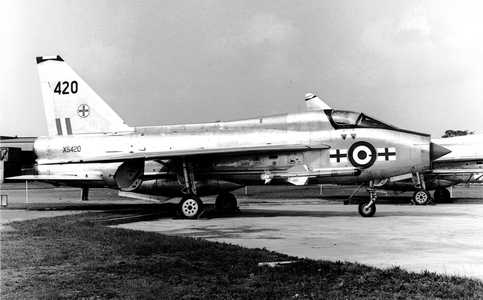
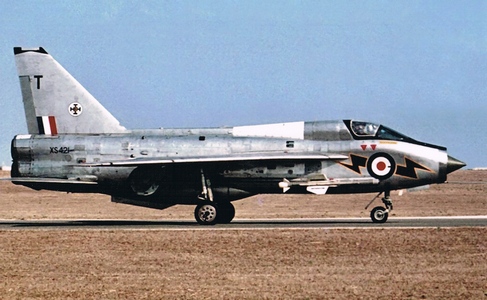
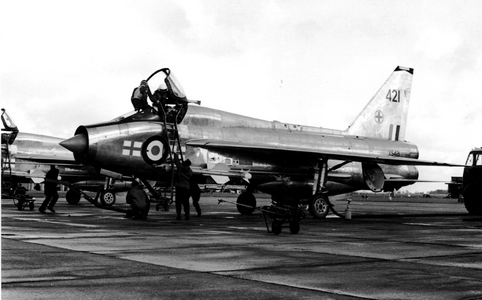
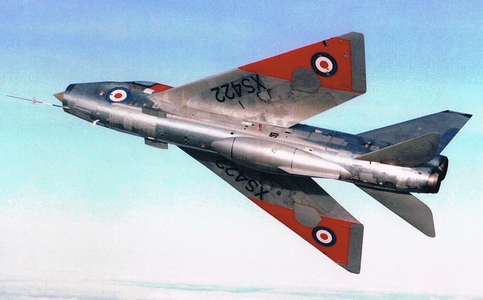
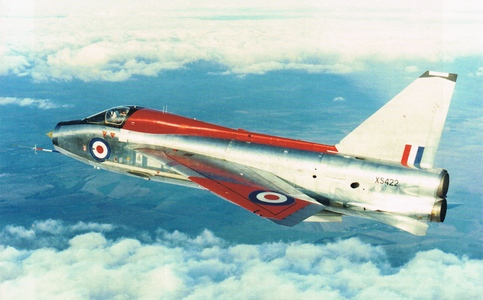
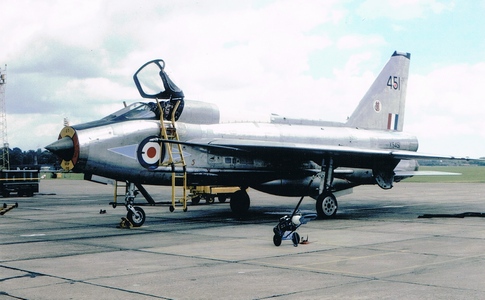
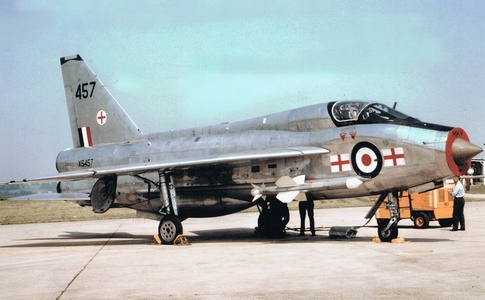

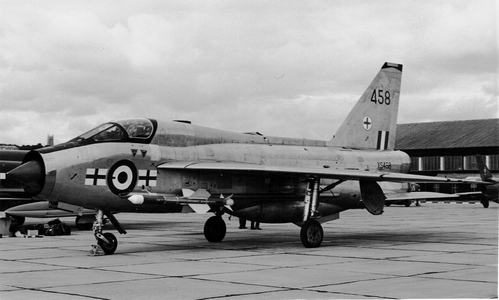
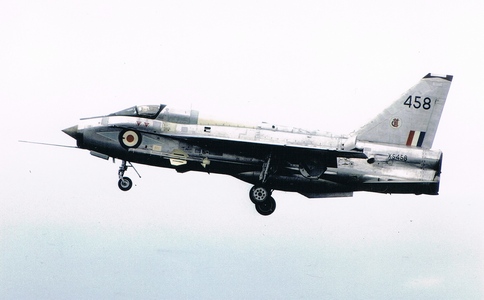
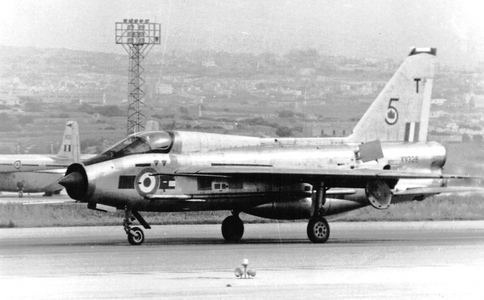
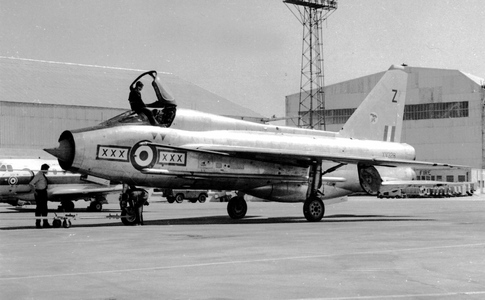
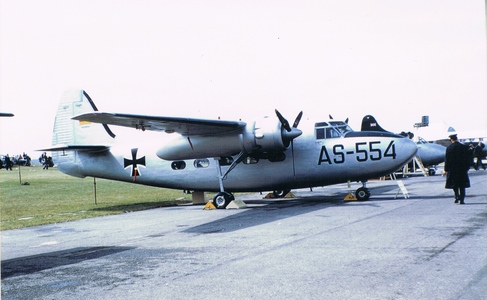
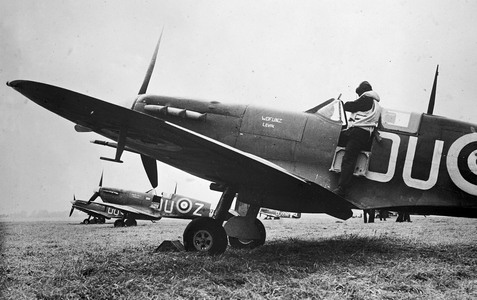
Each photograph is offered at a 300dpi res/13x8cm size making them available for a very good quality digital print, but also for Iphone/IPad, smartphone or computer screen (but should convert the image into a jpeg format for doing so)
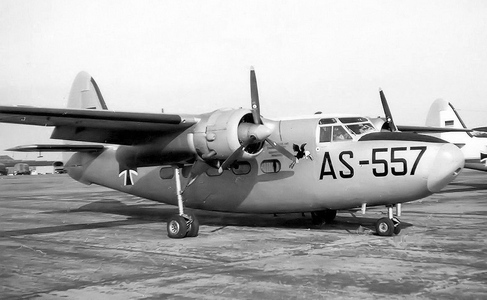
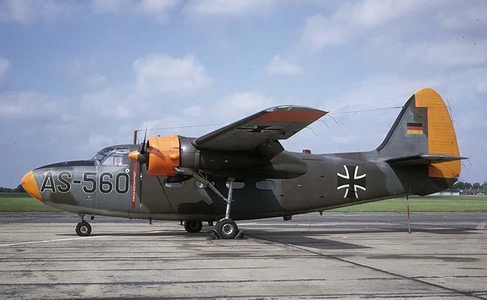
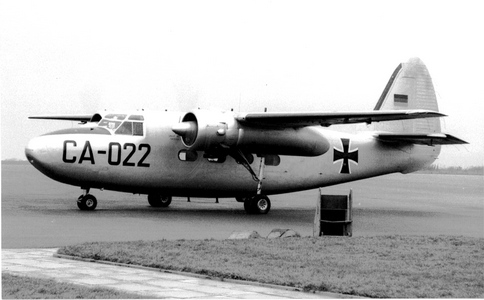
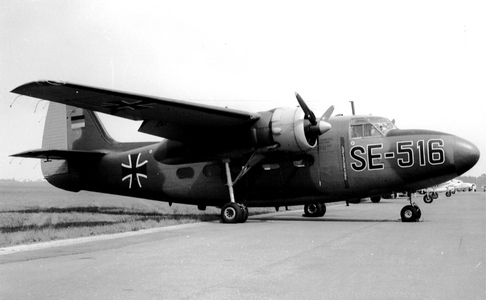

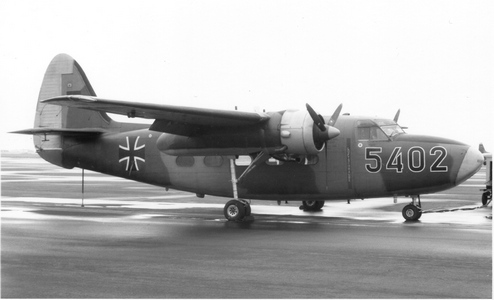
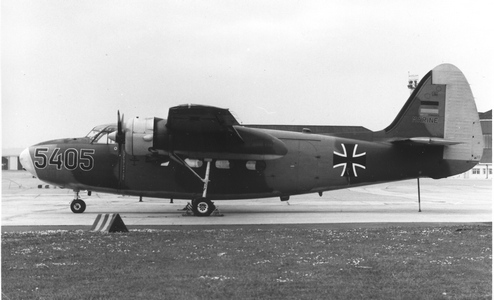
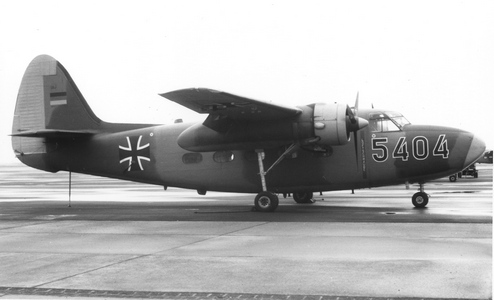
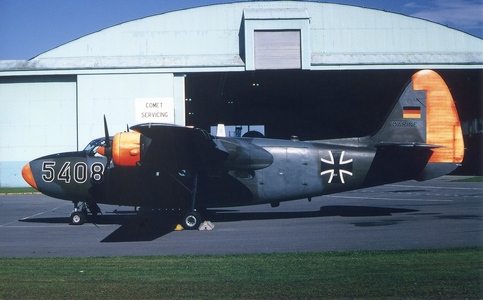
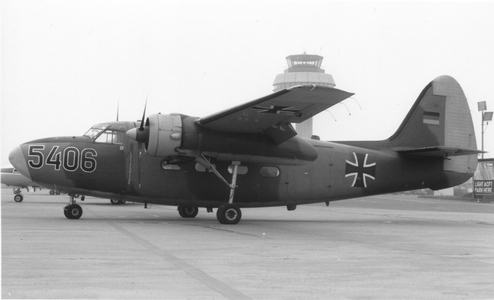
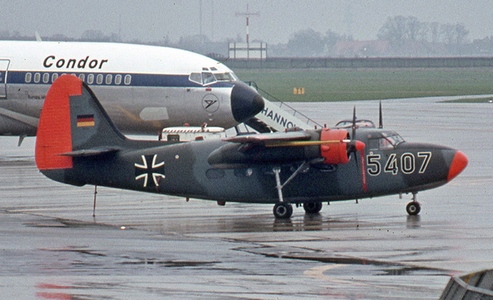
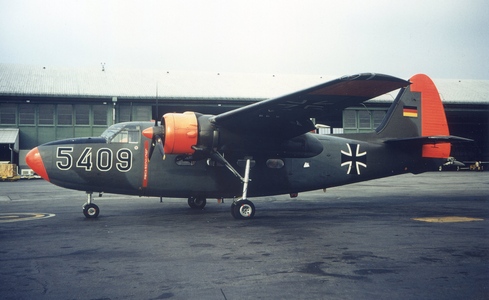
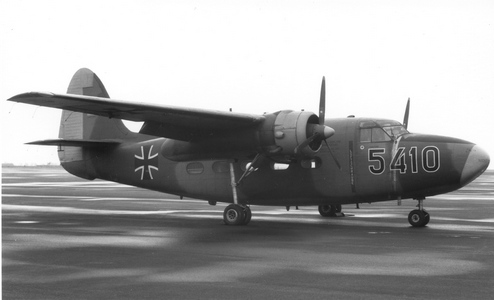
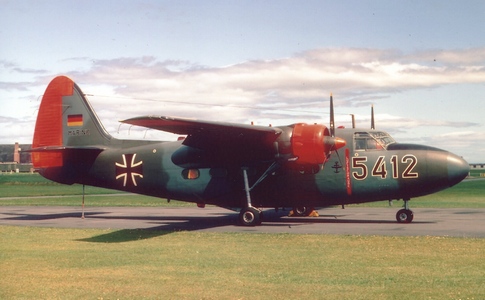
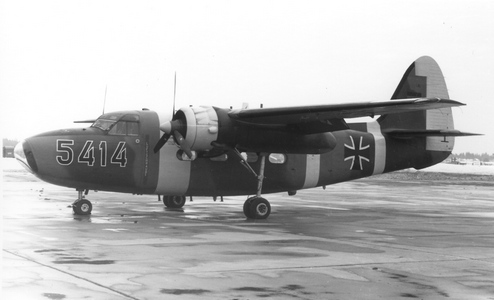
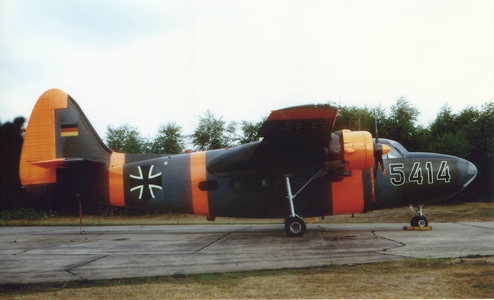

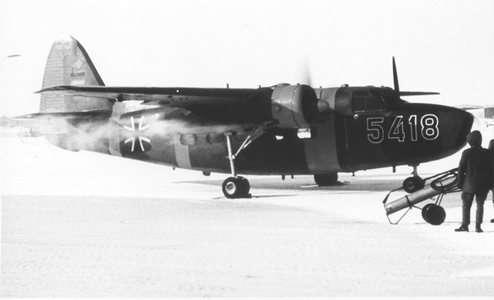
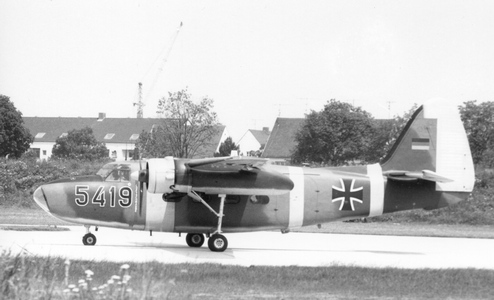
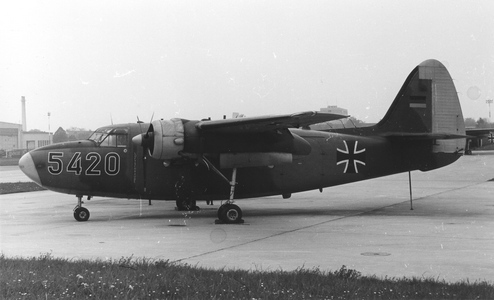
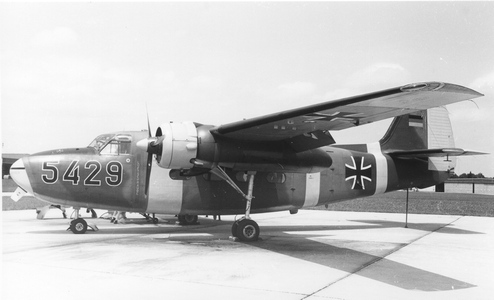

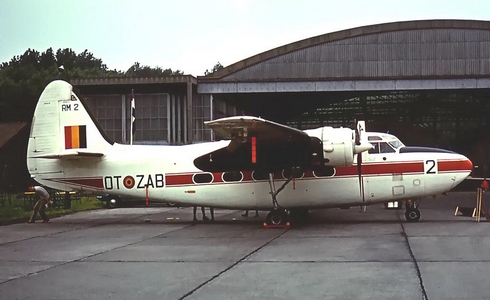
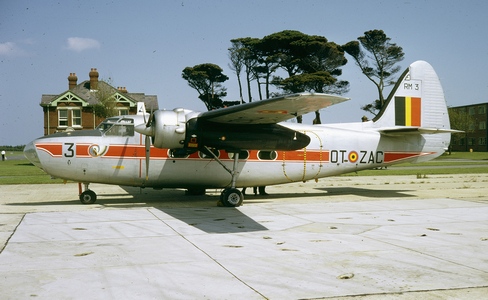
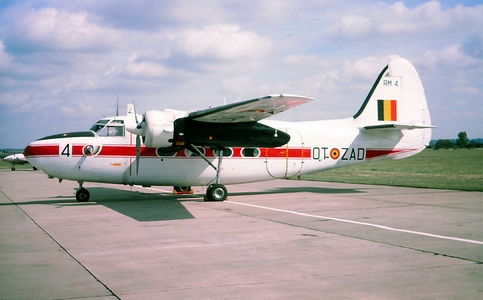
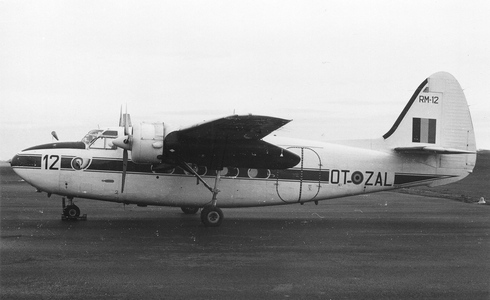
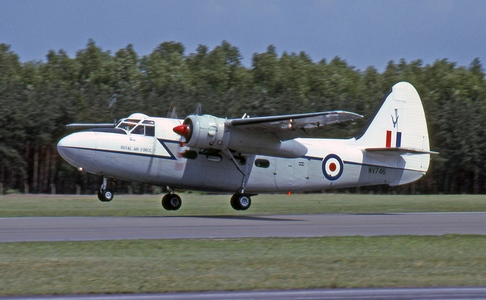
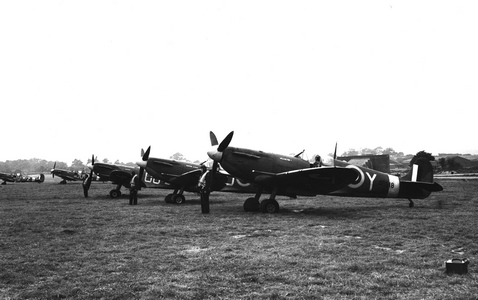
Each photograph is offered at a 300dpi res/13x8cm size making them available for a very good quality digital print, but also for Iphone/IPad, smartphone or computer screen (but should convert the image into a jpeg format for doing so)
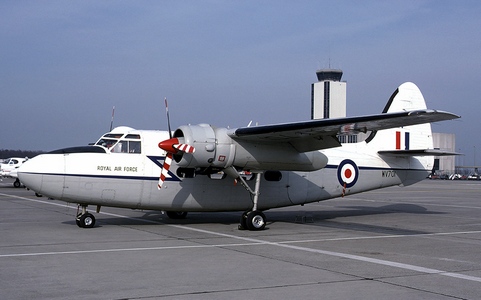
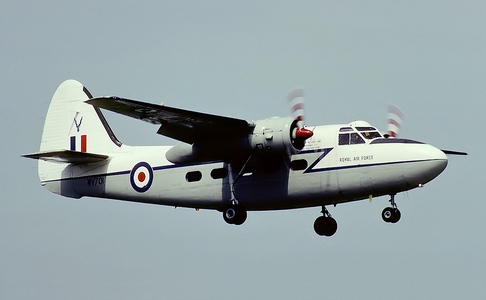
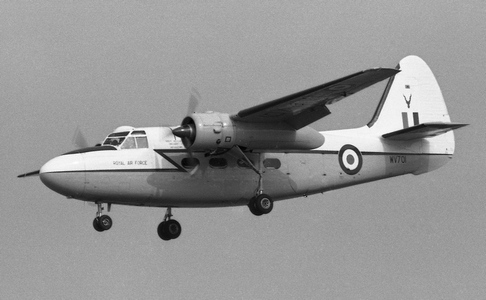
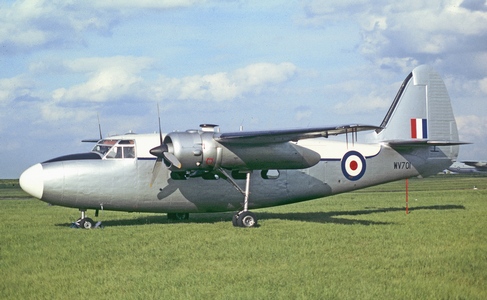
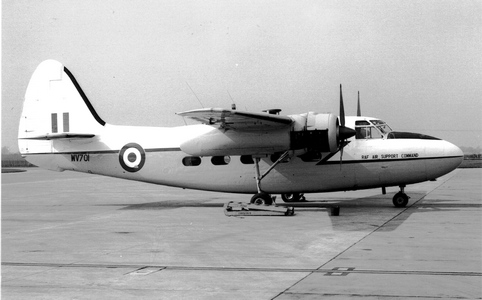
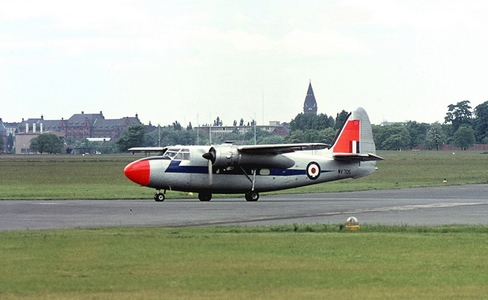
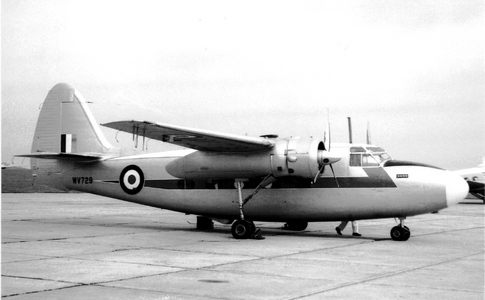

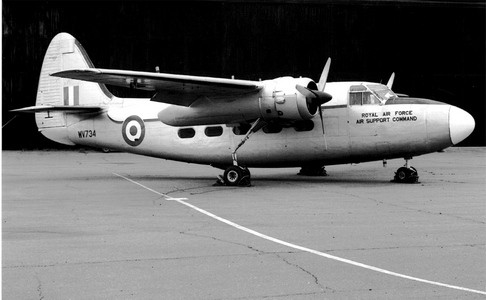
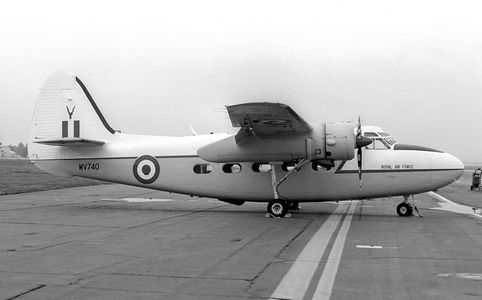
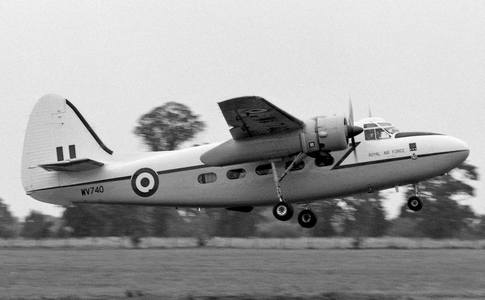
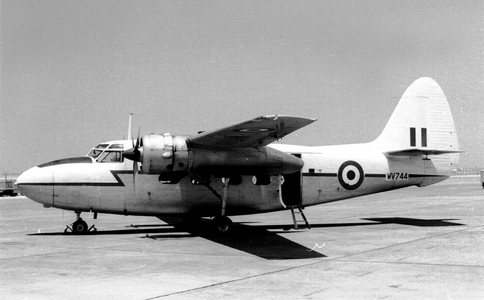
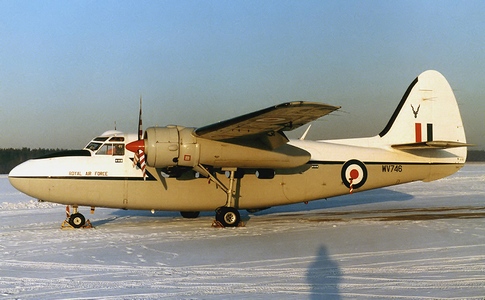
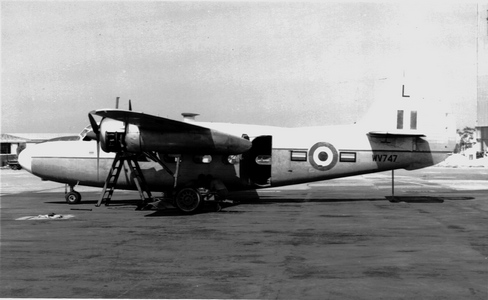
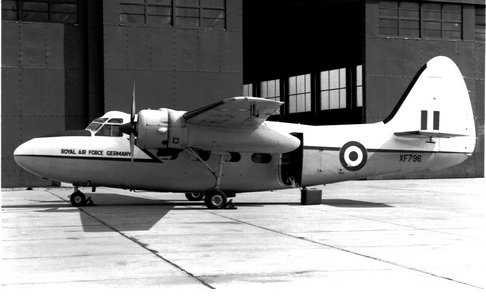
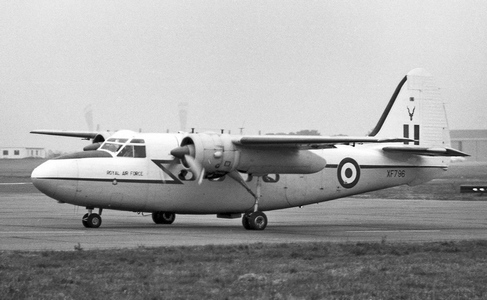
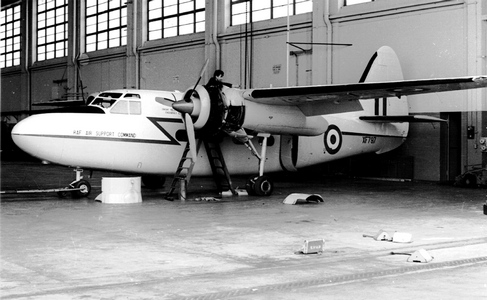
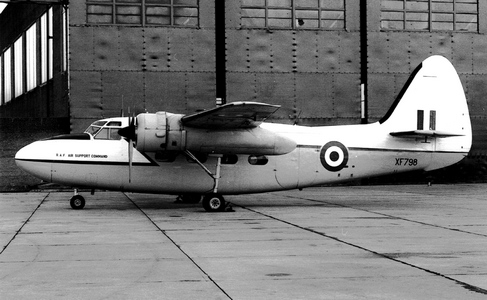
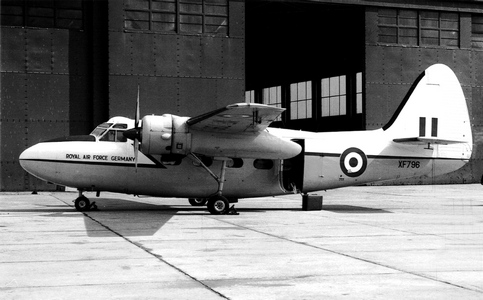
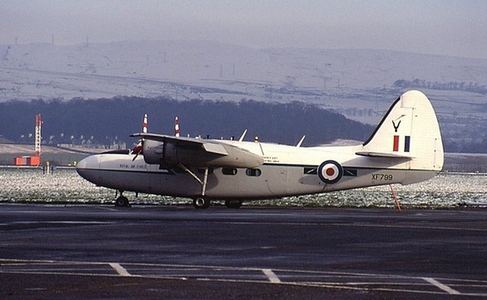
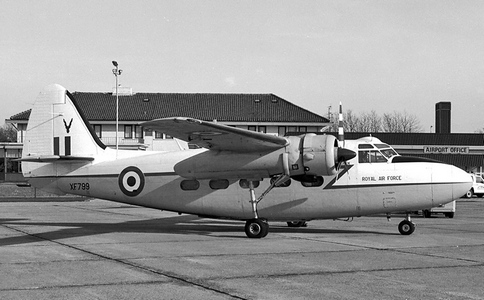
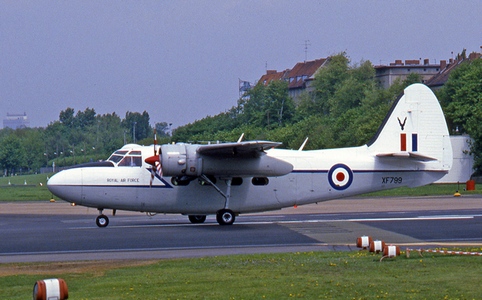
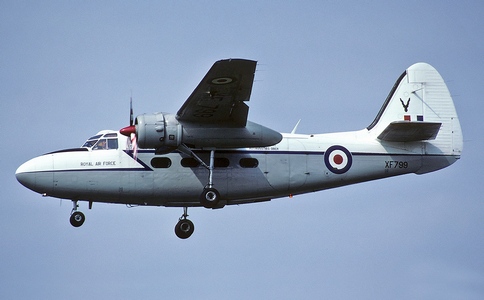
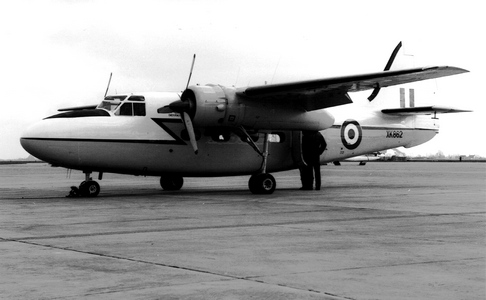
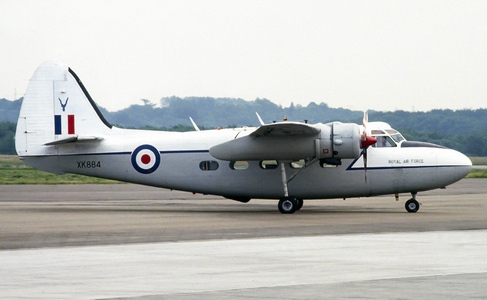
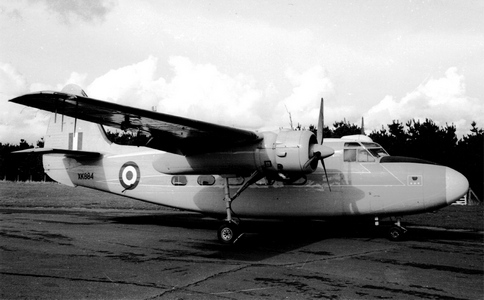
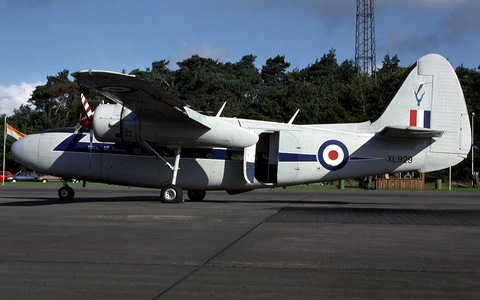
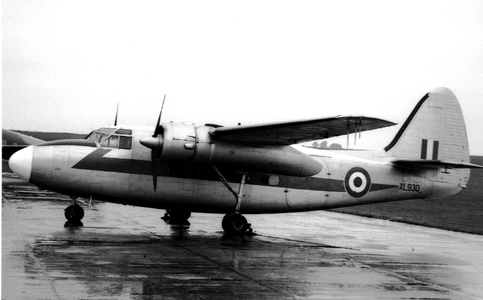

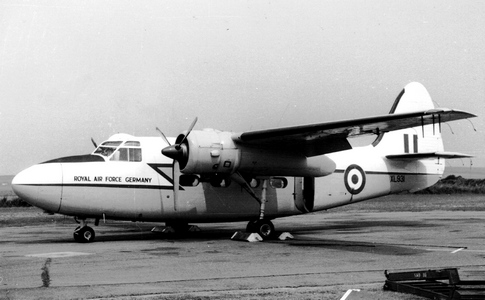
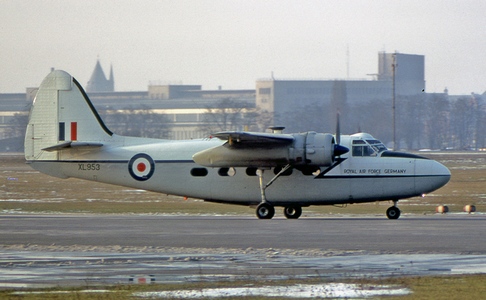
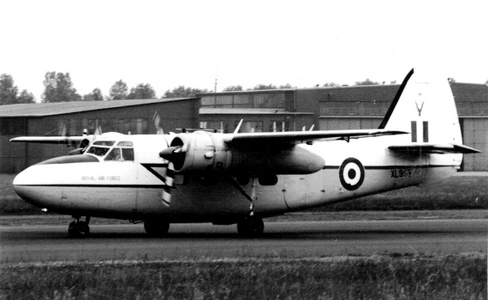
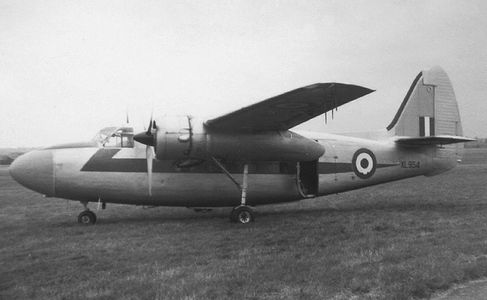
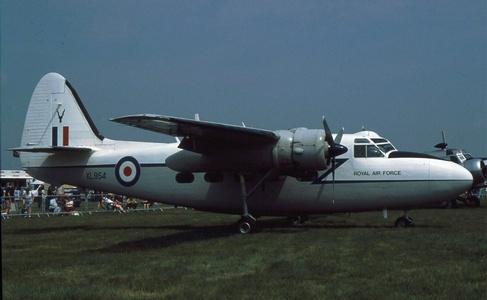
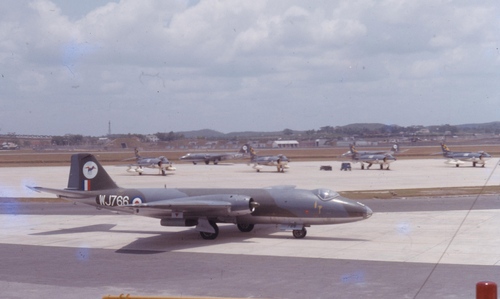
Each photograph is offered at a 300dpi res/13x8cm size making them available for a very good quality digital print, but also for Iphone/IPad, smartphone or computer screen (but should convert the image into a jpeg format for doing so)
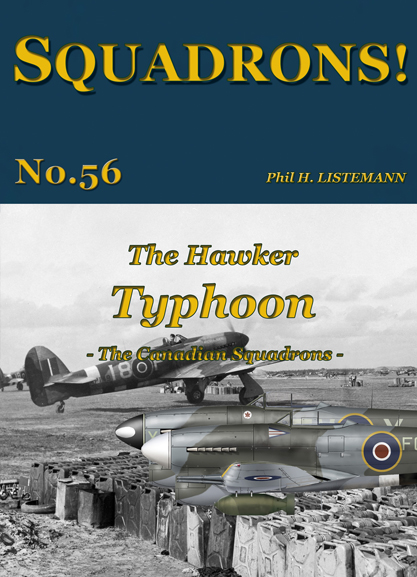
The Hawker Typhoon was designed to Air Ministry specification F.18/37 which sought to take advantage of the new generation of 2000hp engines and satisfy the latest requirements in armament. This major step up demanded a larger and more advanced airframe than that of the company’s then current Hurricane and by March 1938 work had commenced on the first two prototypes; one with the Napier Sabre, soon called ‘Typhoon’ and the other with a Rolls-Royce Vulture, later to be named the ‘Tornado’; this latter machine was the first to fly, on 6 October 1939. The Vulture did not give too many problems in the Hawker fighter but by the end of 1940 it was experiencing serious trouble with its installation in the Avro Manchester bomber, and as a result the project was abandoned. With the third engine (Bristol Centaurus) of the new generation still some way off, the Air Ministry had little option but to concentrate on the Typhoon, which had made its first flight on 24 February 1940. The new aircraft encountered teething problems and was also delayed by production priorities for other Hawker types during the Battle of Britain. During its early operational life the Typhoon had to overcome problems that threatened to end its service, but these were eventually remedied so that, by the last quarter of 1943, the Typhoon had become a reliable aircraft. Improvements included the introduction of the new single piece ‘blown’ hood, a four-bladed propeller and an enlarged tailplane, but there was no change in designation. When production ceased in November 1945, 3317 Typhoons had been built. At first pure fighters were produced, but, by the spring of 1943, only the fighter-bomber version was coming off the production line and by the end of the year all the Typhoon squadrons were undertaking some form of ground attack role. On the eve of D-Day the Typhoon had become the backbone of the 2TAF fighter-bomber force with no less than eighteen squadrons active. This book narrates the operational usage of the three RCAF squadrons, Nos. 438, 439 & 440. Illustrated with 48 photos and 9 colour plates.
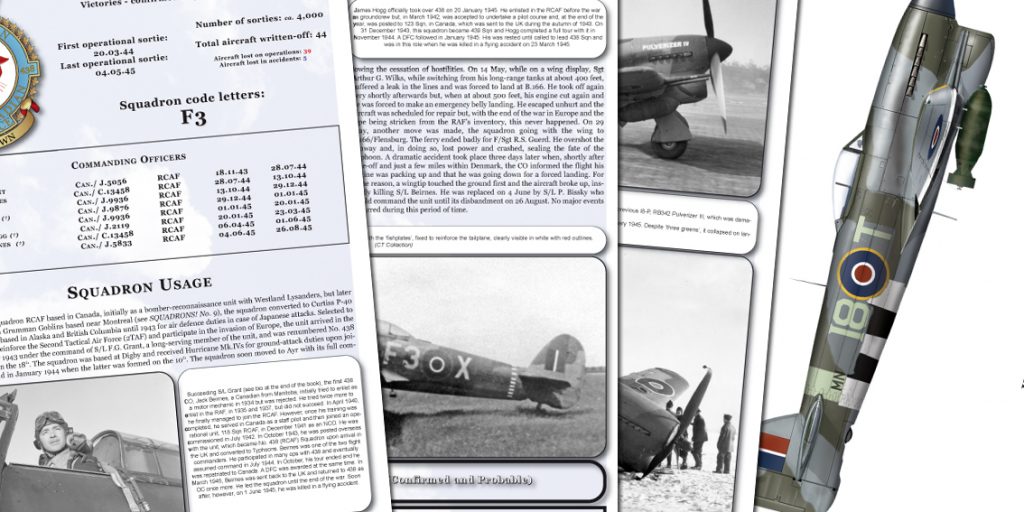
Available as a paperpack version with ISBN 979-1096490-96-7
**********************
HOW TO ORDER:
Send your mailing address with your phone number in using ‘contact’ button and we will respond with a Paypal request with the following amount:
EU, UK and USA: 14.50 Euros postage included
Rest of the World: 16.00 Euros postage included
Multiple purchases with combined postage possible.
********************
PDF version is also available as 9791096490-97-4
Each photograph is offered at a 300dpi res/13x8cm size making them available for a very good quality digital print, but also for Iphone/IPad, smartphone or computer screen (but should convert the image into a jpeg format for doing so)