Archives

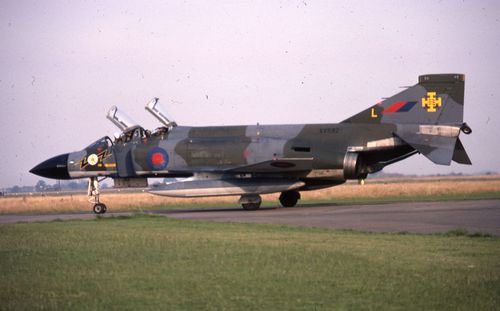
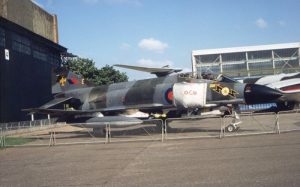
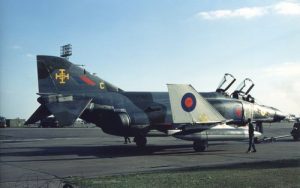
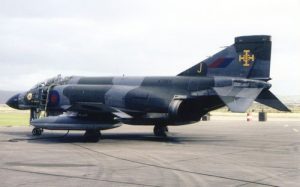
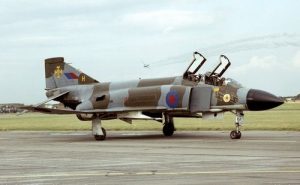
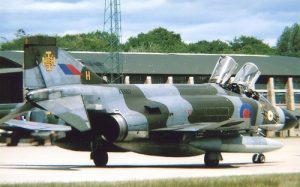
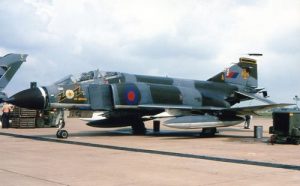
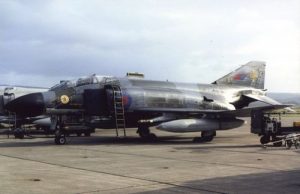
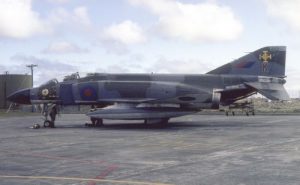
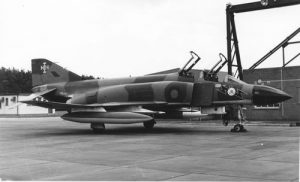
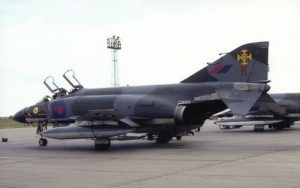
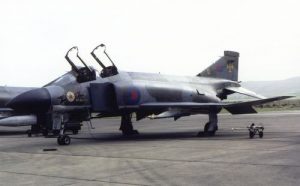
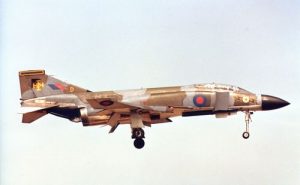
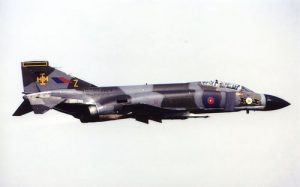
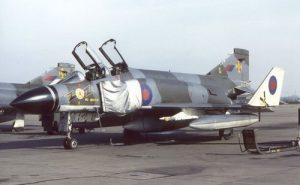
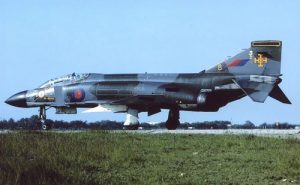
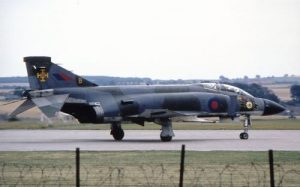
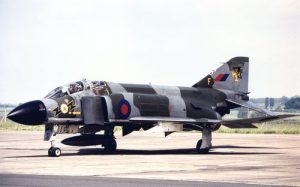
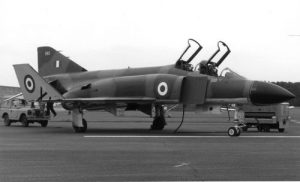
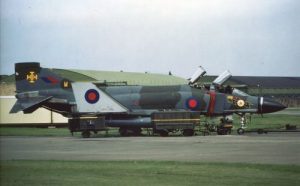
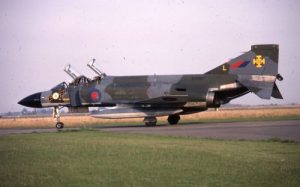
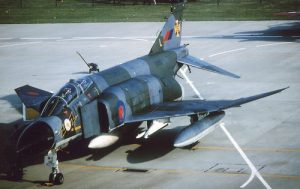
July 2019: Phantom FG.1 (111 Sqn) – 25 photos

Each photograph is offered at a 300dpi res/13x8cm size making them available for a very good quality digital print, but also for Iphone/IPad, smartphone or computer screen (but should convert the image into a jpeg format for doing so)

This first part is dedicated to No. 111 Squadron Phantom FG.1s with the initial camouflage (and a few other non-111 Sqn photos).


Phantom  FG.1  – 101: Phantom FG.1 XT597, A&AEE


Phantom  FG.1  – 102: Phantom FG.1 XT597, A&AEE


Phantom  FG.1  – 103: Phantom FG.1 XT597, A&AEE


Phantom  FG.1  – 104: Phantom FG.1 XT598/E, No. 111 Sqn


Phantom  FG.1  – 105: Phantom FG.1 XT857/C, No. 111 Sqn


Phantom  FG.1  – 106: Phantom FG.1 XT864/J, No. 111 Sqn


Phantom  FG.1  – 107: Phantom FG.1 XT867/H, No. 111 Sqn


Phantom  FG.1  – 108: Phantom FG.1 XT867/H, No. 111 Sqn (from another angle)


Phantom  FG.1  – 109: Phantom FG.1 XT873/A, No. 111 Sqn


Phantom  FG.1  – 110: Phantom FG.1 XT874/E, No. 111 Sqn


Phantom  FG.1  – 111: Phantom FG.1 XT892/K, No. 111 Sqn


Phantom  FG.1  – 112: Phantom FG.1 XT895/D, No. 111 Sqn


Phantom  FG.1  – 113: Phantom FG.1 XT912/K, No. 111 Sqn


Phantom  FG.1  – 114: Phantom FG.1 XV569/Q, No. 111 Sqn


Phantom  FG.1  – 115: Phantom FG.1 XV570/N, No. 111 Sqn


Phantom  FG.1  – 116: Phantom FG.1 XV573/D, No. 111 Sqn


Phantom  FG.1  – 117: Phantom FG.1 XV574/Z, No. 111 Sqn


Phantom  FG.1  – 118: Phantom FG.1 XV575/G, No. 111 Sqn


Phantom  FG.1  – 119: Phantom FG.1 XV582/B, No. 111 Sqn


Phantom  FG.1  – 120: Phantom FG.1 XV583/B, No. 111 Sqn


Phantom  FG.1  – 121: Phantom FG.1 XV584/F, No. 111 Sqn


Phantom  FG.1  – 122: Phantom FG.1 XV585 after its transfer to the RAF


Phantom  FG.1  – 123: Phantom FG.1 XV591/M, No. 111 Sqn


Phantom  FG.1  – 124: Phantom FG.1 XV592/L, No. 111 Sqn


Phantom  FG.1  – 125: Phantom FG.1 XV592/L, No. 111 Sqn (from another angle)


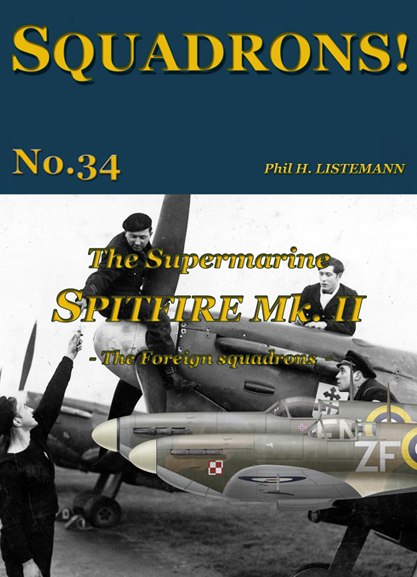
SQUADRONS! No.34: The Supermarine Spitfie Mk II – The Foreign squadrons

Once production of the Spitfire Mk.I was underway, an improved version was looked at based around the 1175hp Merlin XII. The Spitfire Mk.II, or Supermarine 329 as its constructor named it, was born. Great hopes were placed in this new version as an order for 1000 aircraft was placed on 12 April 1939, before the mark’s first flight, for serials P7280 – P8799. This production run was launched at Castle Bromwich in Birmingham, the new Supermarine production line. The first aircraft were delivered in June 1940 and the Spitfire Mk.II included all improvements and refine¬ments added to the Spitfire Mk.I. Deliveries continued up to July 1941. The Mk.II entered service, in the midst of the Battle of Britain, first with 66 Squadron and progressively, the Spitfire Mk.II became standard equipment across Fighter Command with no less than 56 squadrons known to have been equipped, fully or partially, with the mark. Peak usage was reached during the summer of 1941, but, from the autumn of that year, it began to be withdrawn from first line units in favour of the Mk.V. Among the squadrons equipped with the Spitfire Mk II, there were the squadrons manned by men coming from the occupied Europe, the Poles, Czechoslovaks, French, Belgians and Norwegians. The Poles made an intensive usage of their Spitfire Mk IIs and encountered considerable success during the summer of 1941. Illustrated with over 40 photographs and seven colour profiles. 48 pages.


Available as a paperback version with ISBN 979-1096490-44-8

*******************

HOW TO ORDER:

Send your mailing address and your phone number in using ‘contact’ button and we will respond with a Paypal request with the following amount:

EU, UK and USA: 16.00 Euros postage included

Rest of the World: 18.50 Euros postage included

Multiple purchases with combined postage possible.

*********************

Pdf is available as 979-1096490-45-5


new pdf uploaded December 2023

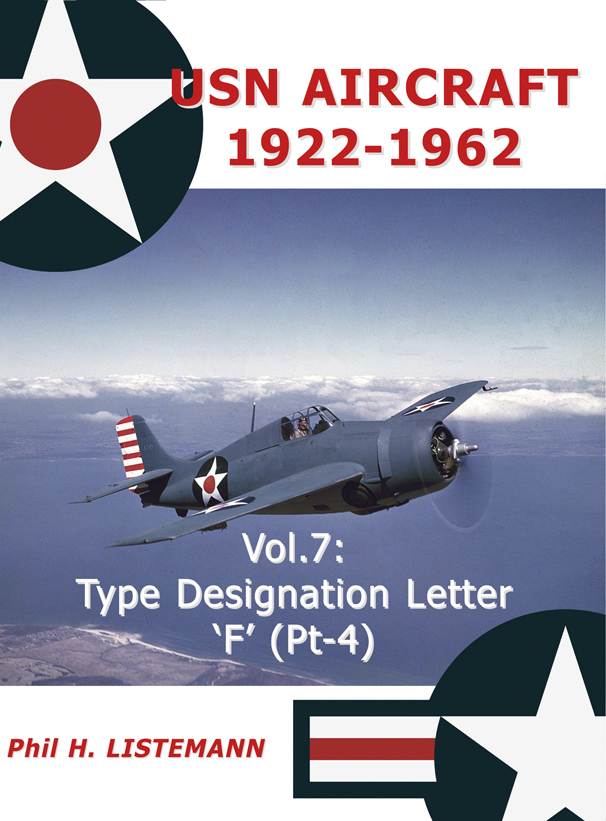
Volume 7 – Letter ‘F’ (Pt-4)

A pictorial study of the USN aircraft between 1922 and 1962. Over forty years, between 1922 and 1962, the USN and USMC used a designation system which began with biplanes and ended with jets, having been used through two major wars, WW2 and the Korean War. This system remained largely the same during that time, though it evolved with the introduction of new types and technology, and new exceptions developed as well. The purpose of this series is to explain this system using photographs. This seventh volume contains around 100 photographs and covers the fourth part of the Class F (Fighter). The aircraft described are the first Grumman types, FF, F2F, F3F, F4F Wildcat and F5F.

available as a paperback with ISBN 979-1096490-42-4

*******************

HOW TO ORDER:

Send your mailing address  with your phone number in using ‘contact’ button and we will respond with a Paypal request with the following amount:

EU, UK and USA: 18.00 Euros postage included

Rest of the World: 20.00 Euros postage included

Multiple purchases with combined postage possible.

pdf, epub and Kindle versions are now available as 979-1096490-43-1

June 2019 : Hawker Osprey – 26 photos

Each photograph is offered at a 300dpi res/13x8cm size making them available for a very good quality digital print, but also for Iphone/IPad, smartphone or computer screen (but should convert the image into a jpeg format for doing so)


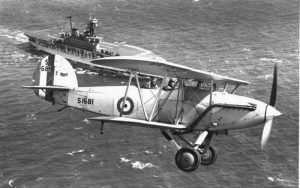
Hawker Osprey photo 01: Osprey Mk I S1681 of ‘C’ Flight of RAF Base Gosport


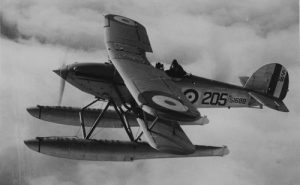
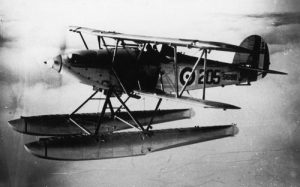
Hawker Osprey photo 02: Osprey MK I S1688 coded ‘205’ of No. 407 Flt


Hawker Osprey photo 03: another view of S1688 (see above)


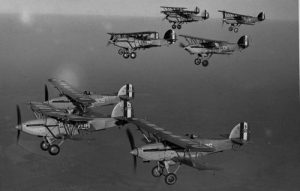
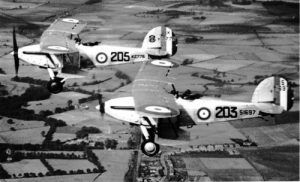
Hawker Osprey photo 04: Osprey Mk Is S1697 coded ‘203’ and K2776 coded ‘205’ of No. 407 Flt flying in formation

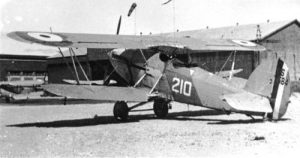
Hawker Osprey photo 05: Osprey Mk I S1684 coded ‘210’ of No. 404 Flt


Hawker Osprey photo 06: see above


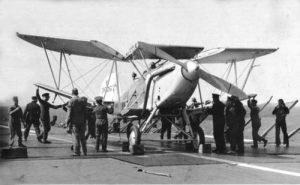
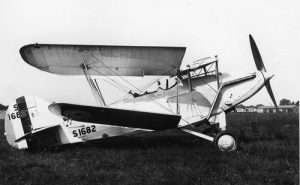
Hawker Osprey photo 07: Osprey Mk I S1682 with wings folded


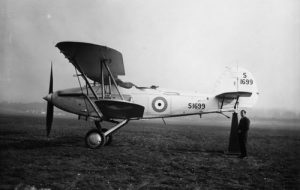
Hawker Osprey photo 08: Osprey Mk III S1699 seen during its performance and handling trials.


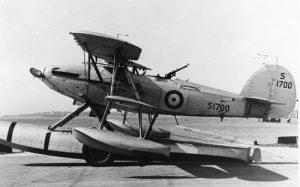
Hawker Osprey photo 09: Osprey Mk III S1700 during trials with floats


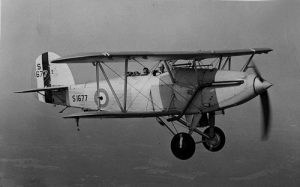
Hawker Osprey photo 10: Osprey S1677, one of the two Osprey Fighter reconnaissance aircraft.


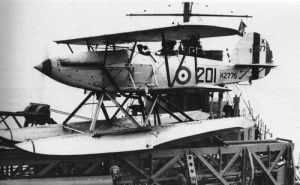
Hawker Osprey photo 12: Osprey Mk I K2775 coded ‘201’ of No. 407 Flt


Hawker Osprey photo 13: Osprey Mk I K2780 coded ‘287’ of No. 405 Flt


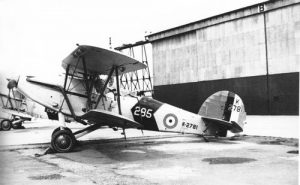
Hawker Osprey photo 14: Osprey Mk I K2781 coded ‘285’ of No. 405 Flt


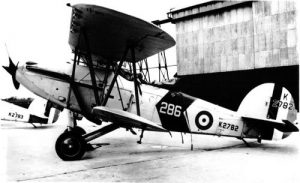
Hawker Osprey photo 15: Osprey Mk I K2782 coded ‘286’ of No. 405 Flt


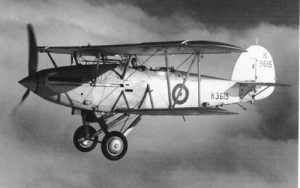
Hawker Osprey photo 16: Osprey Mk III K3615 while tested at the A&AEE in 1934


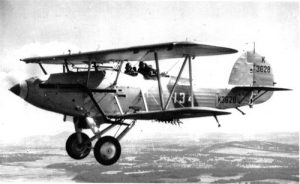
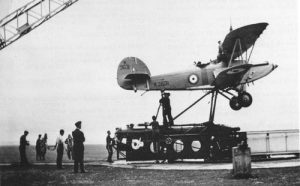
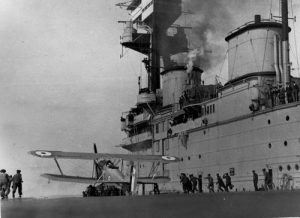
Hawker Osprey photo 17: Osprey Mk III K3626 coded ‘236’ of No. 801 squadron on HMS Furious


Hawker Osprey photo 18: Osprey Mk. III K3628 coded ‘134’ of No. 801 Squadron


Hawker Osprey photo 19: Osprey Mk III K3631 of No. FTS in 1936


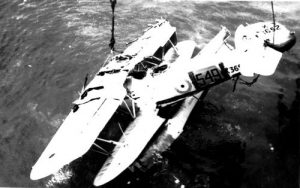
Hawker Osprey photo 20: Osprey Mk III K3652 coded ‘549’ of No. 802 Sqn after its accident 29.07.38


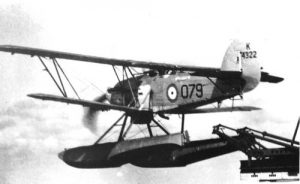
Hawker Osprey photo 21: Osprey Mk III K4322 coded ‘079’ of No. 445 Flt


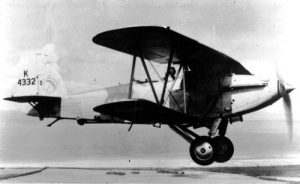
Hawker Osprey photo 22: Osprey Mk III K4332 coded ‘135’ of No. 801 Sqn


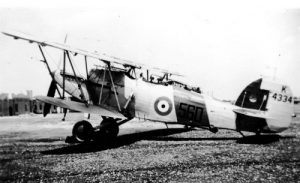
Hawker Osprey photo 23: Osprey MK III K4334 coded ‘560’ of No. 802 Sqn


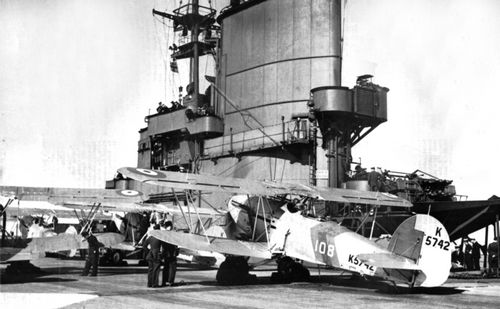
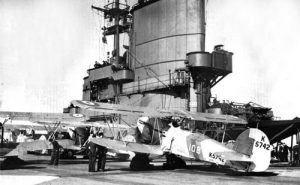
Hawker Osprey photo 24: Osprey Mk III K5742 coded ‘108’ of No. 800 Sqn


Hawker Osprey photo 25: Osprey Mk III K5766 coded ‘105’ of No. 800 Sqn


Hawker Osprey photo 66: Osprey Mk I S1681 of N. 407 Flt


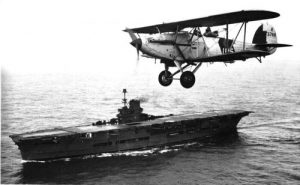
Hawker Osprey photo 27: Hawker Osprey Mk III K2779 coded ‘208’ of No. 800 Sqn escorted by Hawker Nimrods. Behind another Osprey is being escorted by Nimrods.

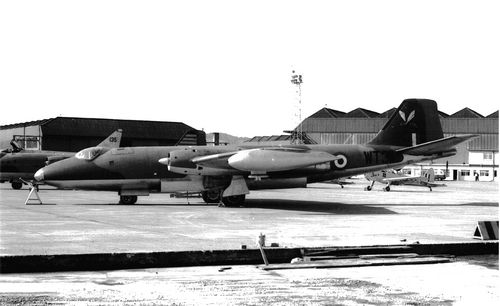
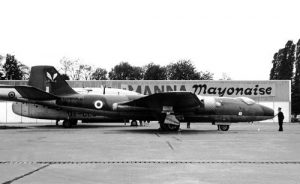
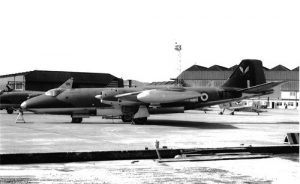
May 2019 : English Electric Canberra B(I) 6 – 12 photos


Each photograph is offered at a 300dpi res/13x8cm size making them available for a very good quality digital print, but also for Iphone/IPad, smartphone or computer screen (but should convert the image into a jpeg format for doing so)

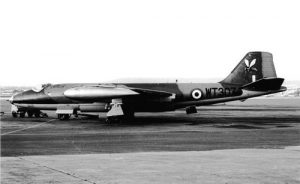
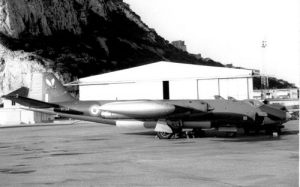
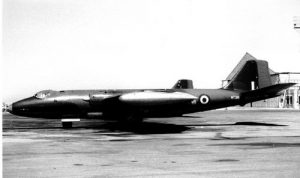
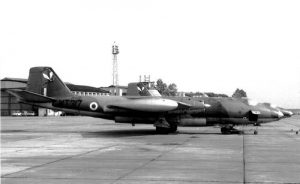
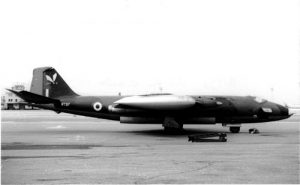
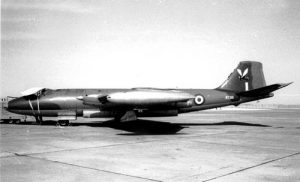
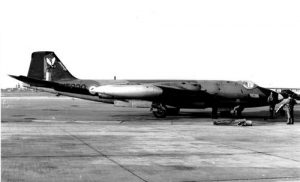
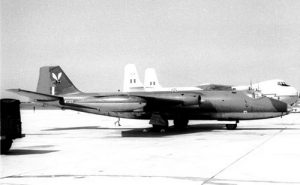
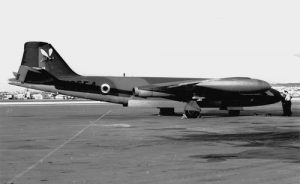
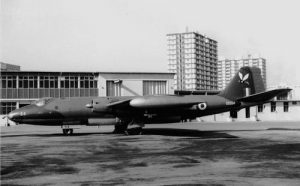
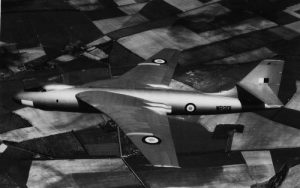
Photo Canberra B(I) 6 – 01 : Canberra WT307 of No. 213 Sqn


Photo Canberra B(I) 6 – 01 : Canberra WT311 of No. 213 Sqn, right side


Photo Canberra B(I) 6 – 03 : Canberra WT311 of No. 213 Sqn, left side


Photo Canberra B(I) 6 – 04 : Canberra WT314 of No. 213 Sqn


Photo Canberra B(I) 6 – 05 : Canberra WT316 of SF Bruggen


Photo Canberra B(I) 6 – 06 : Canberra WT317 of No. 213 Sqn


Photo Canberra B(I) 6 – 07 : Canberra WT317 of No. 213 Sqn (with white serial)


Photo Canberra B(I) 6 – 08 : Canberra WT318 of No. 213 Sqn


Photo Canberra B(I) 6 – 09 : Canberra WT320 of No. 213 Sqn


Photo Canberra B(I) 6 – 10 : Canberra WT323 of No. 213 Sqn

Photo Canberra B(I) 6 – 11 : Canberra XG554 of No. 213 Sqn

Photo Canberra B(I) 6 – 12 : Canberra XG554 of No. 213 Sqn (with white serial)


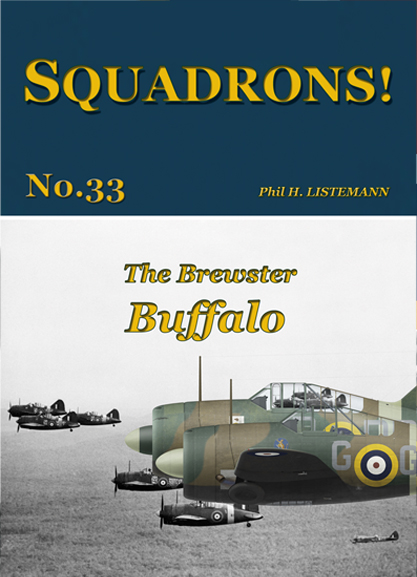
SQUADRONS! No.33: The Brewster Buffalo

The Brewster Buffalo was born as the Brewster F2A for the United States Navy. It was the first monoplane fighter to be introduced into USN service. At the end of the thirties, with war approaching, many European countries were seeking new equipment, particularly modern fighters, and the Brewster looked promising and when war was declared in September 1939, requirements were drastically accelerated and the UK was among the first to place an order. For the British, the Buffalo was not an obvious option as they were already producing two excellent fighters, the Hawker Hurricane and the Supermarine Spitfire, that were far superior to the American design. The Brewster fighter was initially rejected by the British Purchase Commission for this reason. However, the Air Ministry soon realised that production of both Hurricanes and Spitfires would not be enough to meet the RAF’s increasing demands and the acquisition of foreign fighters was therefore seriously considered. By the end of 1939, all American manufacturers were overloaded and delivery delays repeatedly extended. Large orders could only be placed with the manufacturers not yet overloaded. The Brewster Corporation was one such manufacturer. Therefore, the Brewster 339 was the only suitable option and appeared to be a good alternative that left Hurricanes or Spitfires to theatres where the RAF was already engaged, like the Far East. When Japan invaded Malaya and Burma in December 1941, the Buffalo was the backbone of the RAF fighter force in the Far East. They faced to very experienced Japanese fighter pilots who gave no chance to the young pilots freshly graduated from advanced training schools. The sacrifice of those young Commonwealth pilots, most coming from Australia and NZ would be in vain Burma and Singapore would be lost. About seventy photos and eight colour profiles. 64 pages


UPDATED DECEMBER 2020


Available as a paper version with ISBN 979-1096490-40-0

**********************

HOW TO ORDER:

Send your mailing address  with your phone number in using ‘contact’ button and we will respond with a Paypal request with the following amount:

EU, UK and USA: 16.50 Euros postage included

Rest of the World: 19.50 Euros postage included

Multiple purchases with combined postage possible.

********************

Pdf version is available as 979-1096490-41-7


New PDF uploaded October 2023

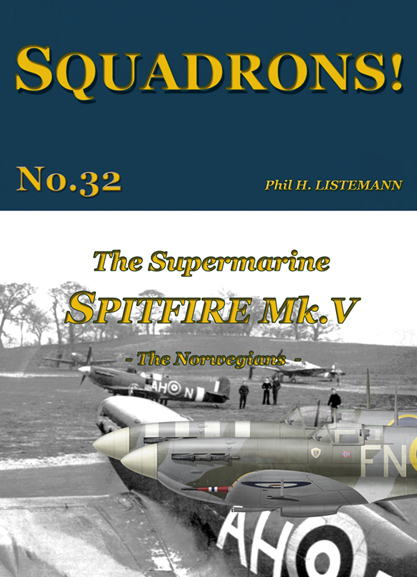
SQUADRONS! No.32: The Supermarine Spitfire Mk V – The Norwegians

Paradoxically, the Mk.V, which ended up being the most numerous variant of the famous fighter built, was not even an intended development of the design. Indeed, it was only considered because of the abandonment of the Spitfire Mk.III. As the Luftwaffe was continually improving its formidable Messerschmitt Bf 109, the latest version of which, the Bf 109F, clearly outclassed the Spitfire Mk.II, the British had no other option but to rapidly find a successor to the latter. At this time, at the end of 1940, the British did not know what the Germans’ were planning and expected them to carry on undertaking daylight raids upon the return of nicer weather. The RAF, therefore, wanted to be ready to counter the new German fighter developments. A solution was soon found by mounting a Merlin 45 (former Merlin III), a simplified version of the Merlin XX, on a slightly strengthened Spitfire Mk.I or Mk.II airframe. Several Spitfires were thus modified, with either a Merlin 45 or Merlin 46, during the first weeks of 1941. The resulting feedback was good and the Air Ministry requested that Supermarine modify, as early as possible, Spitfires already on the assembly lines so they could be put into service as rapidly as possible. This is how the Spitfire Mk.V came to be. In 1941, the Spitfire Mk V progressively became the backbone of the Fighter Command and among the squadrons that switched onto the Spitfire Mk V, there were the two Norwegian fighter squadrons, Nos. 331 and 332. The operational usage of the Spitfire Mk V by those two squadrons is here described in 40 pages, 35 photos and illustrated with nine colour profiles.

(updated December 2023, September 2025)

Available as a paper version with ISBN 979-1096490-38-7

**********************

HOW TO ORDER:

Send your mailing address  with your phone number in using ‘contact’ button and we will respond with a Paypal request with the following amount:

EU, UK and USA: 13.00 Euros postage included

Rest of the World: 15.50 Euros postage included

Multiple purchases with combined postage possible.

********************

Pdf is now available as 979-1096490-39-4 (see below)

new PDF uploaded September 2025

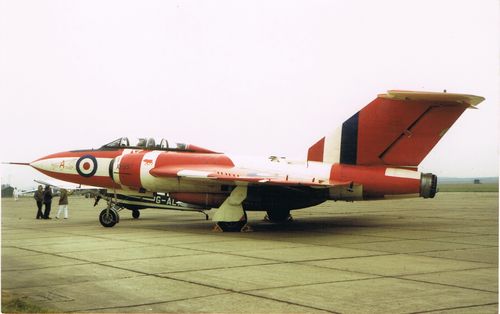
April 2019: Gloster Javelin FAW. 9 – 91 photos

Each photograph is offered at a 300dpi res/13x8cm size making them available for a very good quality digital print, but also for Iphone/IPad, smartphone or computer screen (but should convert the image into a jpeg format for doing so
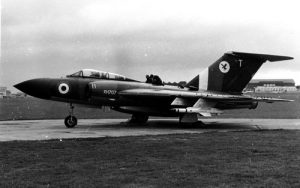
Javelin FAW.9 – 101: Gloster Javelin FAW.9 XH707/T of No. 23 Sqn.
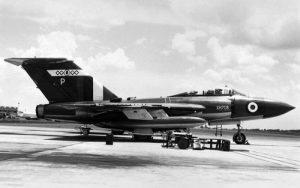
 

Javelin FAW.9 – 102: Gloster Javelin FAW.9 XH708/P of No. 64 Sqn.
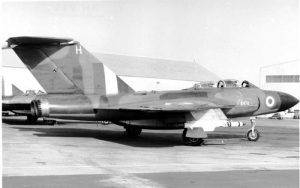
 

Javelin FAW.9 – 103: Gloster Javelin FAW.9 XH707/H
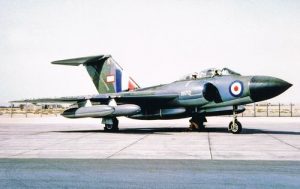
 

Javelin FAW.9 – 104: Gloster Javelin FAW.9 XH712/K of No. 29 Sqn
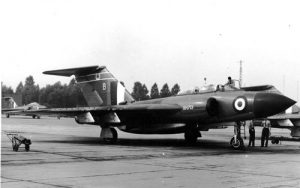
 

Javelin FAW.9 – 105: Gloster Javelin FAW.9 XH713/B of No. 5 Sqn
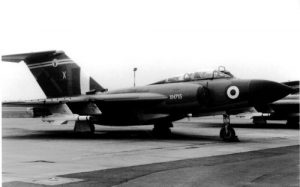
 

Javelin FAW.9 – 106: Gloster Javelin FAW.9 XH715/X of No. 33 Sqn
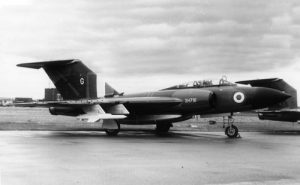
 

Javelin FAW.9 – 107: Gloster Javelin FAW.9 XH716/G of No. 25 Sqn
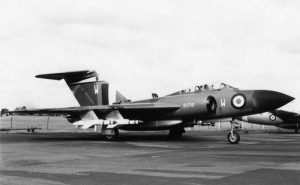
 

Javelin FAW.9 – 108: Gloster Javelin FAW.9 XH716/W of No. 11 Sqn
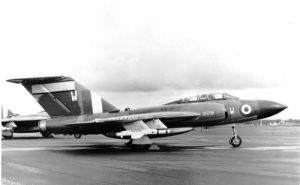
Javelin FAW.9 – 109: see above
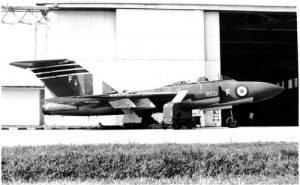
 

Javelin FAW.9 – 110: Gloster Javelin FAW.9 XH722/F of No. 60 Sqn
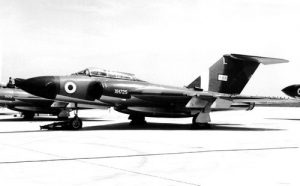
 

Javelin FAW.9 – 111: Gloster Javelin FAW.9 XH725/L of No. 29 Sqn
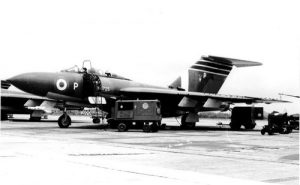
 

Javelin FAW.9 – 112: Gloster Javelin FAW.9 XH725/P of No. 60 Sqn
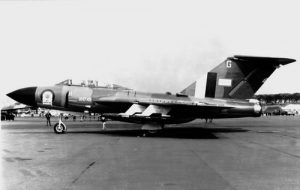
 

Javelin FAW.9 – 113: Gloster Javelin FAW.9 XH749/G of No. 29 Sqn
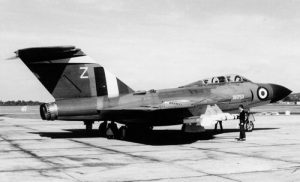
 

Javelin FAW.9 – 114: Gloster Javelin FAW.9 XH753/Z of No. 11 Sqn
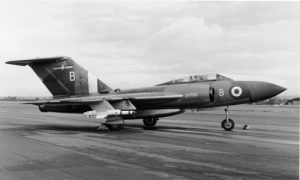
 

Javelin FAW.9 – 115: Gloster Javelin FAW.9 XH760/B of No. 11 Sqn
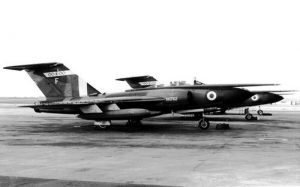
 

Javelin FAW.9 – 116: Gloster Javelin FAW.9 XH762/F of No. 64 Sqn
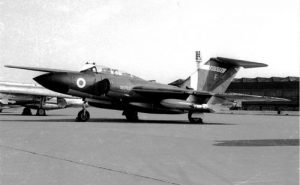
 

Javelin FAW.9 – 117: see above
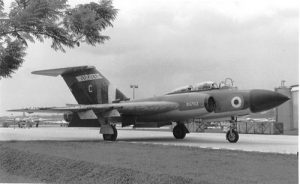
 

Javelin FAW.9 – 118: Gloster Javelin FAW.9 XH763/C of No. 64 Sqn
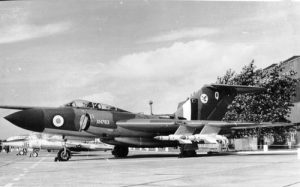
 

Javelin FAW.9 – 119: Gloster Javelin FAW.9 XH763/Q of No. 23 Sqn
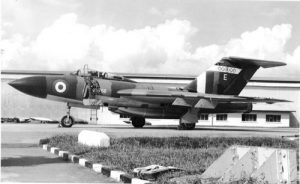
 

Javelin FAW.9 – 120: Gloster Javelin FAW.9 XH766/E of No. 64 Sqn
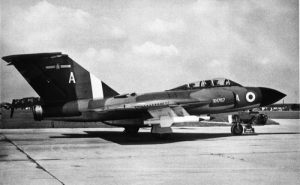
 

Javelin FAW.9 – 121: Gloster Javelin FAW.9 XH767/A of No. 11 Sqn
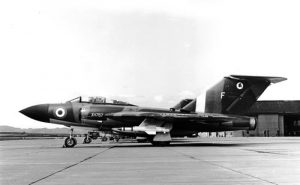
 

Javelin FAW.9 – 122: Gloster Javelin FAW.9 XH767/F of No. 11 Sqn
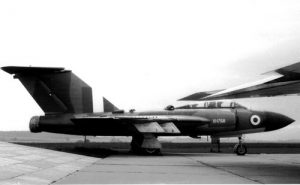
 

Javelin FAW.9 – 123: Gloster Javelin FAW.9 XH768
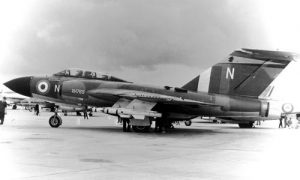
 

Javelin FAW.9 – 124: Gloster Javelin FAW.9 XH769/N of No. 11 Sqn
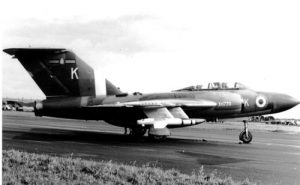
 

Javelin FAW.9 – 125: Gloster Javelin FAW.9 XH770/K of No. 11 Sqn
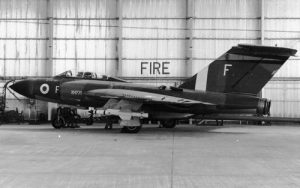
 

Javelin FAW.9 – 126: Gloster Javelin FAW.9 XH771/F of No. 11 Sqn
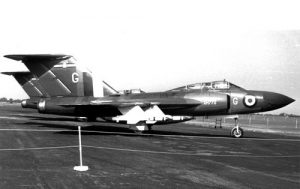
 

Javelin FAW.9 – 127: Gloster Javelin FAW.9 XH772/G of No. 11 Sqn
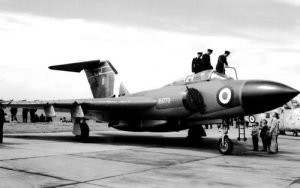
 

Javelin FAW.9 – 128: Gloster Javelin FAW.9 XH773/D of No. 5 Sqn
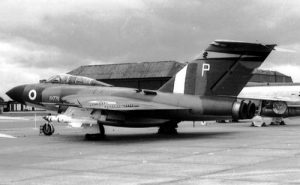
 

Javelin FAW.9 – 129: Gloster Javelin FAW.9 XH776/P of No. 11 Sqn
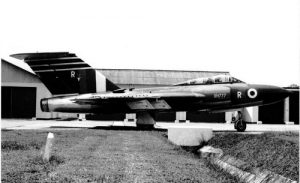
 

Javelin FAW.9 – 130: Gloster Javelin FAW.9 XH777/R of No. 60 Sqn
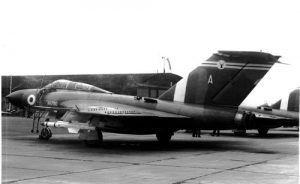
 

Javelin FAW.9 – 131: Gloster Javelin FAW.9 XH780/A of No. 60 Sqn
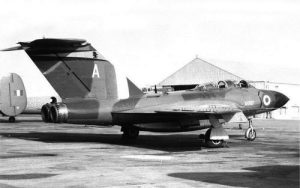
 

Javelin FAW.9 – 133: Gloster Javelin FAW.9 XH783/A of No. 11 Sqn
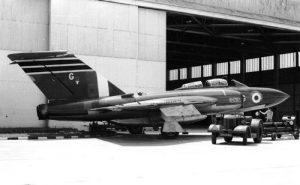
 

Javelin FAW.9 – 134: Gloster Javelin FAW.9 XH787/G of No. 60 Sqn
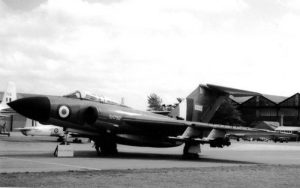
 

Javelin FAW.9 – 135: Gloster Javelin FAW.9 XH792/A of No. 29 Sqn
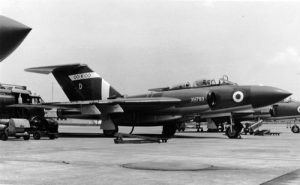
 

Javelin FAW.9 – 136: Gloster Javelin FAW.9 XH793/D of No. 64 Sqn
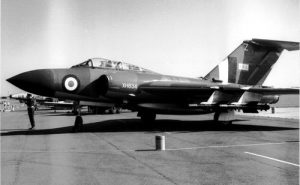
 

Javelin FAW.9 – 137: Gloster Javelin FAW.9 XH834/Z of No. 29 Sqn
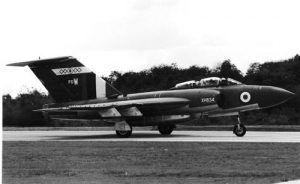
 

Javelin FAW.9 – 138: Gloster Javelin FAW.9 XH7834/PDW of No. 64 Sqn
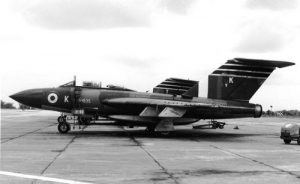
 

Javelin FAW.9 – 139: Gloster Javelin FAW.9 XH835/K of No. 60 Sqn
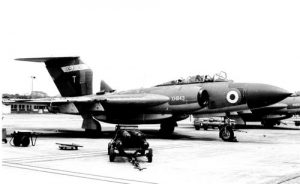
 

Javelin FAW.9 – 140: Gloster Javelin FAW.9 XH843/T of No. 64 Sqn
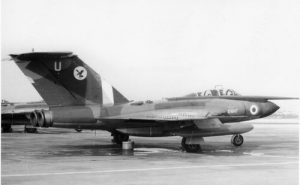
 

Javelin FAW.9 – 141: Gloster Javelin FAW.9 XH847/U of No. 23 Sqn
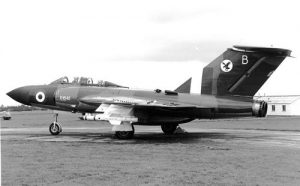
 

Javelin FAW.9 – 142: Gloster Javelin FAW.9 XH848/B of No. 23 Sqn
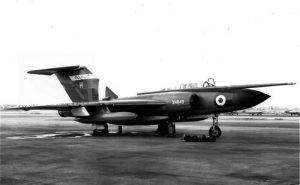
 

Javelin FAW.9 – 143: Gloster Javelin FAW.9 XH849/H of No. 64 Sqn
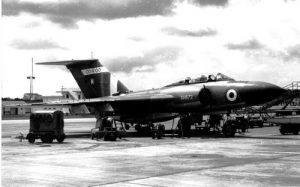
 

Javelin FAW.9 – 144: Gloster Javelin FAW.9 XH872/M of No. 64 Sqn
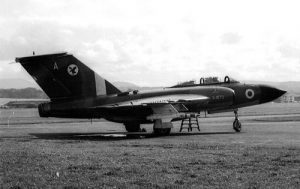
 

Javelin FAW.9 – 145: Gloster Javelin FAW.9 XH873/A of No. 23 Sqn
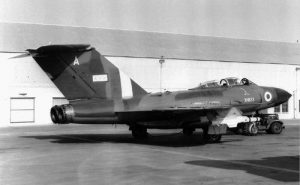
 

Javelin FAW.9 – 146: See above
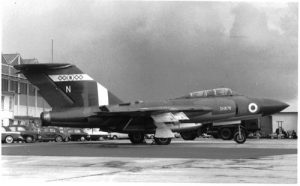
 

Javelin FAW.9 – 147: Gloster Javelin FAW.9 XH876/N of No. 64 Sqn
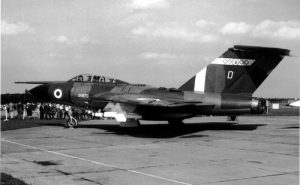
 

Javelin FAW.9 – 148: Gloster Javelin FAW.9 XH879/D of No. 64 Sqn
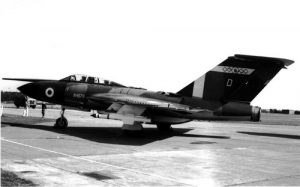
 

Javelin FAW.9 – 149: See above
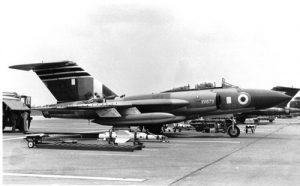
 

Javelin FAW.9 – 150: See above
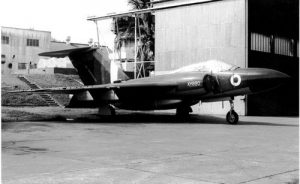
 

Javelin FAW.9 – 151: Gloster Javelin FAW.9 XH880 in the Far East
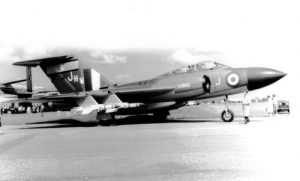
 

Javelin FAW.9 – 152: Gloster Javelin FAW.9 XH880/JHW
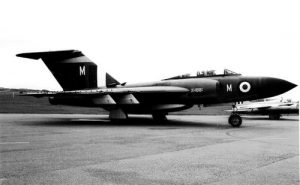
 

Javelin FAW.9 – 153: Gloster Javelin FAW.9 XH881/M of No. 11 Sqn
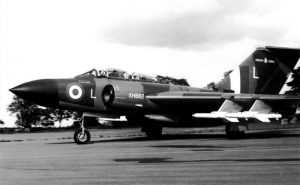
 

Javelin FAW.9 – 154: Gloster Javelin FAW.9 XH882/L of No. 11 Sqn
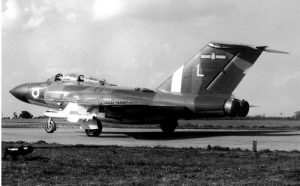
 

Javelin FAW.9 – 155: See above
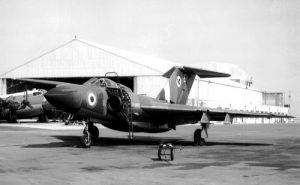
 

Javelin FAW.9 – 156: Gloster Javelin FAW.9 XH885/E of No. 23 Sqn
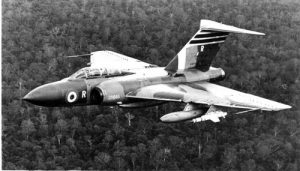
 

Javelin FAW.9 – 157: Gloster Javelin FAW.9 XH885/R of No. 60 Sqn
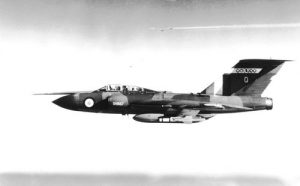
 

Javelin FAW.9 – 158: Gloster Javelin FAW.9 XH887/Q of No. 64 Sqn
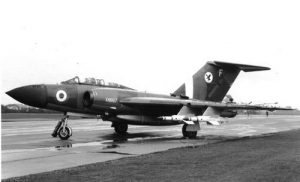
 

Javelin FAW.9 – 159: Gloster Javelin FAW.9 XH887/F of No. 23 Sqn
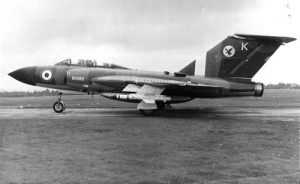
 

Javelin FAW.9 – 160: Gloster Javelin FAW.9 XH888/K of No. 23 Sqn
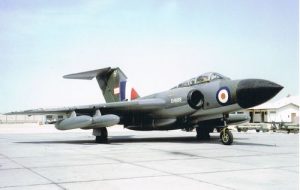
 

Javelin FAW.9 – 161: Gloster Javelin FAW.9 XH889/H of No. 29 Sqn
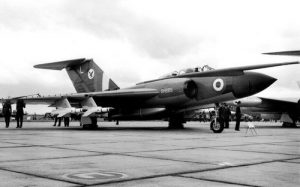
Javelin FAW.9 – 162: Gloster Javelin FAW.9 XH889/L of No. 23 Sqn
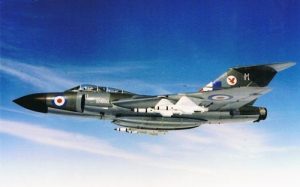
 

Javelin FAW.9 – 163: Gloster Javelin FAW.9 XH890/M of No. 23 Sqn
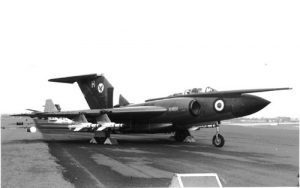
 

Javelin FAW.9 – 164: Gloster Javelin FAW.9 XH891/H of No. 23 Sqn
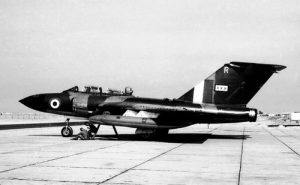
 

Javelin FAW.9 – 165: Gloster Javelin FAW.9 XH891/R of No. 29 Sqn
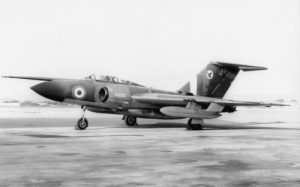
 

Javelin FAW.9 – 166: Gloster Javelin FAW.9 XH892/J of No. 23 Sqn
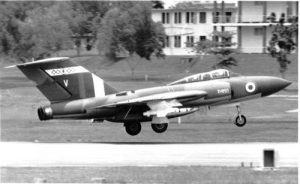
 

Javelin FAW.9 – 167: Gloster Javelin FAW.9 XH893/V of No. 64 Sqn
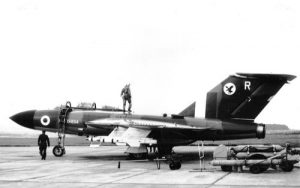
 

Javelin FAW.9 – 168: Gloster Javelin FAW.9 XH894/R of No. 23 Sqn
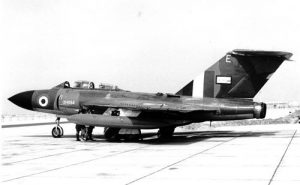
 

Javelin FAW.9 – 169: Gloster Javelin FAW.9 XH894/E of No. 29 Sqn
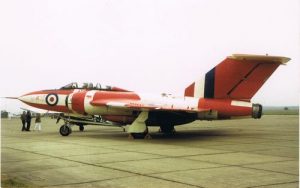
 

Javelin FAW.9 – 170: Gloster Javelin FAW.9 XH897
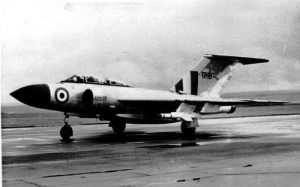
 

Javelin FAW.9 – 171: Gloster Javelin FAW.9 XH898/GHB
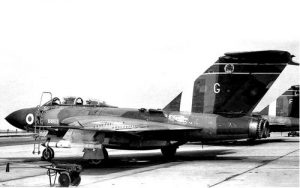
 

Javelin FAW.9 – 172: Gloster Javelin FAW.9 XH903/G of No. 5 Sqn
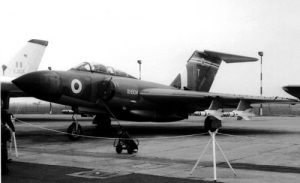
 

Javelin FAW.9 – 173: Gloster Javelin FAW.9 XH904/T of No. 33 Sqn
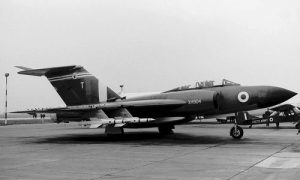
 

Javelin FAW.9 – 174: See above
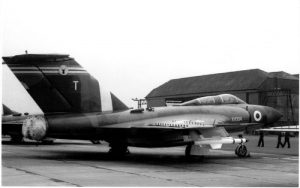
 

Javelin FAW.9 – 175: See above
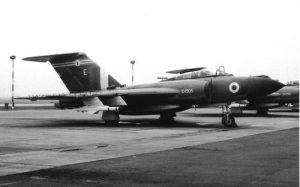
 

Javelin FAW.9 – 176: Gloster Javelin FAW.9 XH905/E of No. 33 Sqn
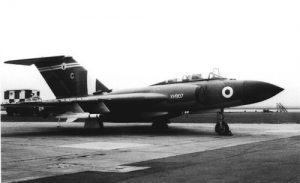
Javelin FAW.9 – 177: Gloster Javelin FAW.9 XH907/C of No. 33 Sqn
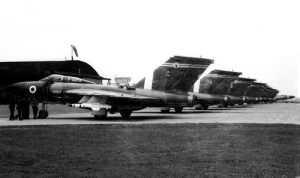
 

Javelin FAW.9 – 178: See above
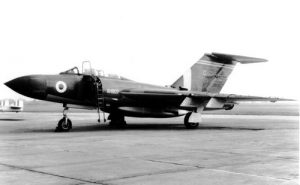
 

Javelin FAW.9 – 179: Gloster Javelin FAW.9 XH907/C of No. 33 Sqn
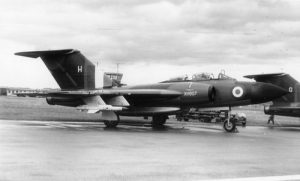
 

Javelin FAW.9 – 180: Gloster Javelin FAW.9 XH907/H of No. 228 OCU
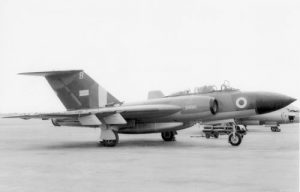
 

Javelin FAW.9 – 181: Gloster Javelin FAW.9 XH910/B of No. 29 Sqn
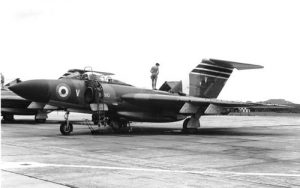
 

Javelin FAW.9 – 182: Gloster Javelin FAW.9 XH910/V of No. 60 Sqn
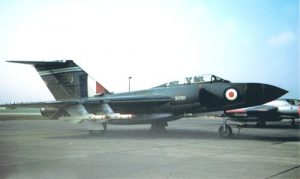
 

Javelin FAW.9 – 183: Gloster Javelin FAW.9 XH911/J of No. 33 Sqn
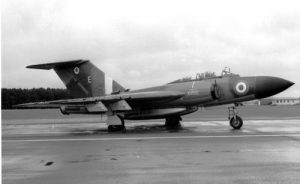
 

Javelin FAW.9 – 184: Gloster Javelin FAW.9 XH912/E of No. 25 Sqn
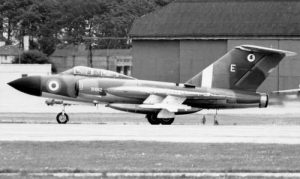
 

Javelin FAW.9 – 185: See above
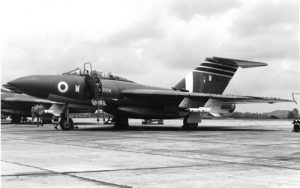
 

Javelin FAW.9 – 186: Gloster Javelin FAW.9 XH956/W of No. 60 Sqn
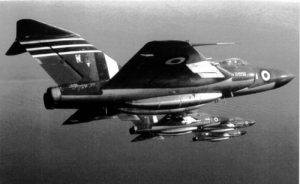
 

Javelin FAW.9 – 187: See above
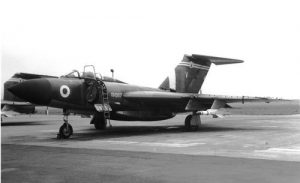
Javelin FAW.9 – 188: Gloster Javelin FAW.9 XH957/V of No. 33 Sqn
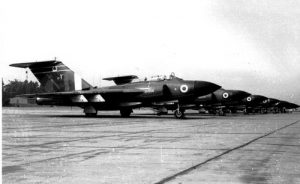


Javelin FAW.9 – 190: Gloster Javelin FAW.9 XH958/Y of No. 5 Sqn
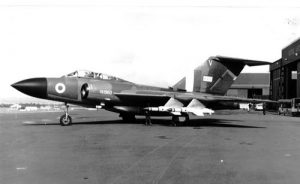
 

Javelin FAW.9 – 191: Gloster Javelin FAW.9 XH960/V of No. 29 Sqn
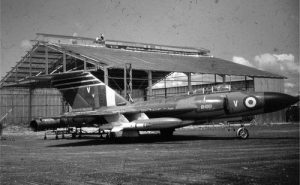
 

Javelin FAW.9 – 193: Gloster Javelin FAW.9 XH961/V of No. 60 Sqn
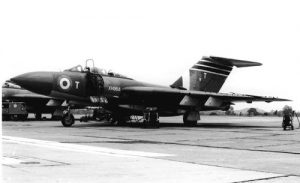
 

Javelin FAW.9 – 194: Gloster Javelin FAW.9 XH964/T of No. 60 Sqn


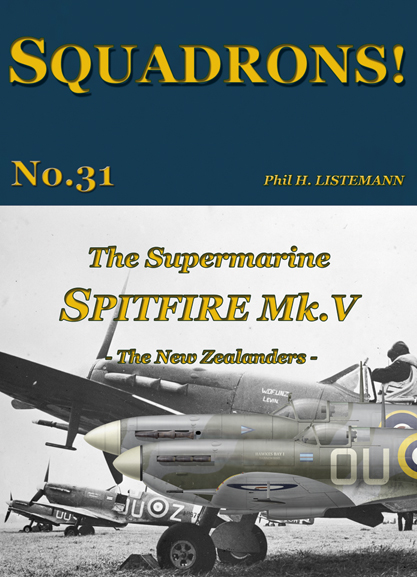
SQUADRONS! No.31: The Supermarine Spitfire Mk V – The New Zealanders

Paradoxically, the Mk.V, which ended up being the most numerous variant of the famous fighter built, was not even an intended development of the design. Indeed, it was only considered because of the abandonment of the Spitfire Mk.III. As the Luftwaffe was continually improving its formidable Messerschmitt Bf 109, the latest version of which, the Bf 109F, clearly outclassed the Spitfire Mk.II, the British had no other option but to rapidly find a successor to the latter. At this time, at the end of 1940, the British did not know what the Germans’ were planning and expected them to carry on undertaking daylight raids upon the return of nicer weather. The RAF, therefore, wanted to be ready to counter the new German fighter developments. A solution was soon found by mounting a Merlin 45 (former Merlin III), a simplified version of the Merlin XX, on a slightly strengthened Spitfire Mk.I or Mk.II airframe. Several Spitfires were thus modified, with either a Merlin 45 or Merlin 46, during the first weeks of 1941. The resulting feedback was good and the Air Ministry requested that Supermarine modify, as early as possible, Spitfires already on the assembly lines so they could be put into service as rapidly as possible. This is how the Spitfire Mk.V came to be. In 1941, the Spitfire Mk V progressively became the backbone of the Fighter Command and among the squadrons that switched onto the Spitfire Mk V, there is only one New Zelander squadron, 485. The operational usage of the Spitfire Mk V by the New Zealanders is here described in 36 pages, 30 photos and illustrated with six colour profiles.

REVISED OCTOBER 2020

Profiles:

AB870/OU-Z – 485 Sqn
W3579/OU-Q – 485 Sqn
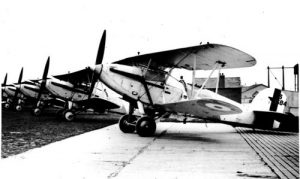
BM233/OU-E – 485 Sqn
BM316/RA – RAF Kenley (Atcherley)

W3561/MB – Portreath Wing (Blake)

AB509/JMC – 142 Wing (Checketts)


Available as a paper version with ISBN 979-1096490-36-3
**********************

HOW TO ORDER:

Send your mailing address  with your phone number in using ‘contact’ button and we will respond with a Paypal request with the following amount:

EU, UK and USA: 13.50 Euros postage included

Rest of the World: 16.00 Euros postage included

Multiple purchases with combined postage possible.

********************

Pdf is available as ISBN 979-1096490-37-0 (below)

(new PDF downloaded August 2023)

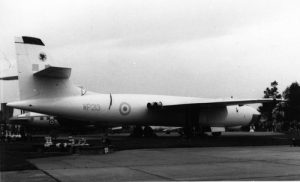
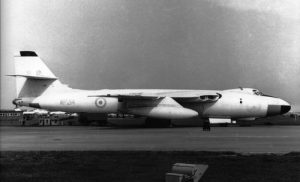
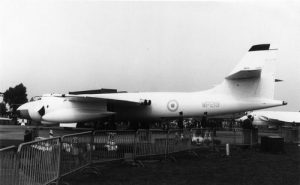
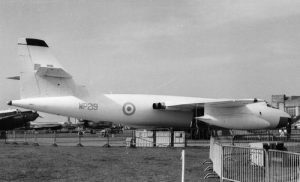
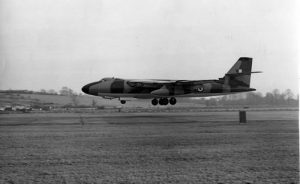
March 2019: Vickers Valiant – 30 photos (Pt-1)


Each photograph is offered at a 300dpi res/13x8cm size making them available for a very good quality digital print, but also for Iphone/IPad, smartphone or computer screen (but should convert the image into a jpeg format for doing so)

Part One:  The prototypes and WP batch

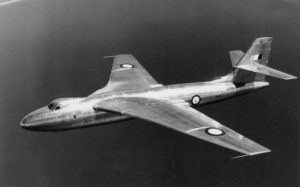
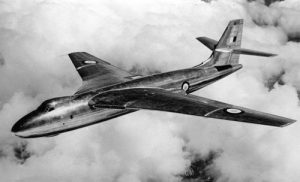
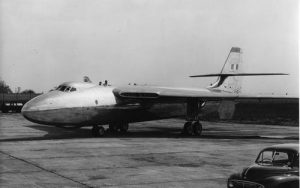
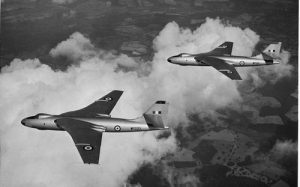
Photo Valiant 01: Vickers Valiant prototype WB210 in flight


Photo Valiant 02: Vickers Valiant prototype WB210 in flight from a different angle


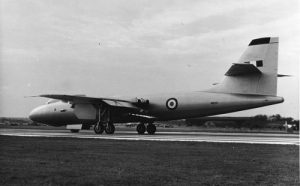
Photo Valiant 03: Vickers Valiant prototype WB215 taxiing, the seocnd prototype


Photo Valiant 04: Vickers Valiant second prototype WB215


Photo Valiant 05: Vickers Valiant second prototype WB215 on landing


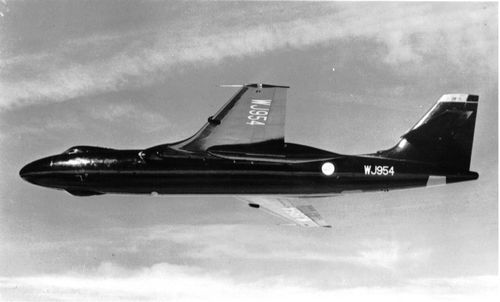
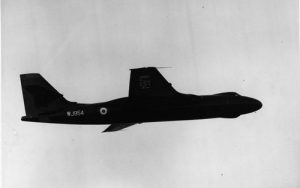
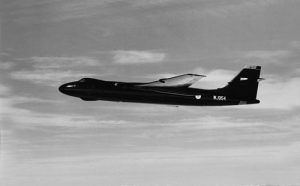
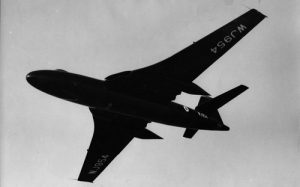
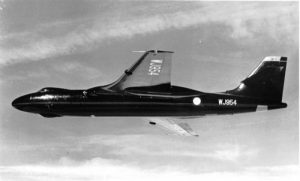
Photo Valiant 11: Vickers Valiant WJ954, prototype of the Valiant B.2


Photo Valiant 12: As above


Photo Valiant 13: As above


Photo Valiant 14: As above


Photo Valiant 15: As above


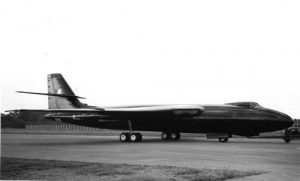
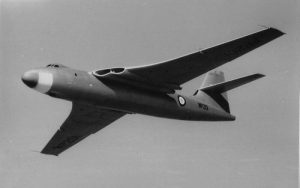
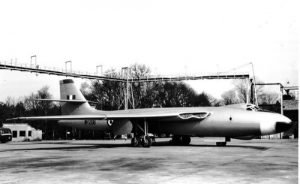
Photo Valiant 21: Vickers Valiant B.1 WP201 of the RAE


Photo Valiant 22: As above


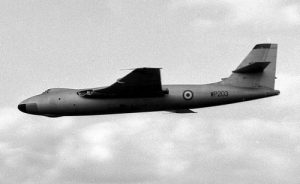
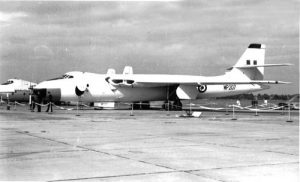
Photo Valiant 23: Vickers Valiant B.1 WP203 of the A&AEE


Photo Valiant 24: Vickers Valiant B.1 WP207

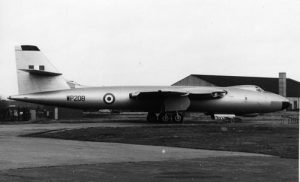
Photo Valiant 25: Vickers Valiant B.1 WP208 of the A&AEE

Photo Valiant 26: As above


Photo Valiant 27: Vickers Valiant B.1 WP210 of the A&AEE


Photo Valiant 28: Vickers Valiant B.1 WP211 of No. 18 sqn


Photo Valiant 29: Vickers Valiant B.1 WP212


Photo Valiant 30: Vickers Valiant B.1 WP213 of No. 199 Sqn
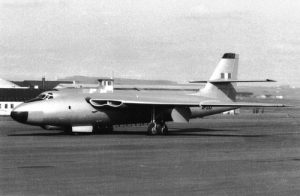
Photo Valiant 31: Vickers Valiant B.1 WP213 of No. 18 Sqn
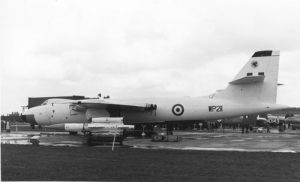
 

Photo Valiant 32: Vickers Valiant B.1 WP214 of BDCU


Photo Valiant 33: Vickers Valiant B(PR).1 WP219 of No. 543 Sqn
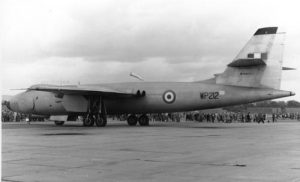
 

Photo Valiant 34: As above


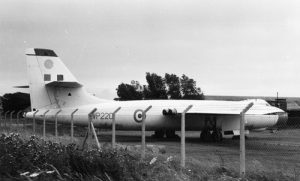
Photo Valiant 35: Vickers Valiant B.1 WP220 of No. 7 Sqn
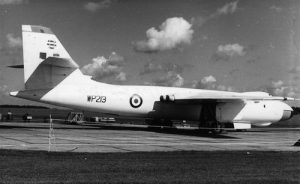
 

Photo Valiant 36: Vickers Valiant B.1 WP220 and WP213 of No. 138 Sqn


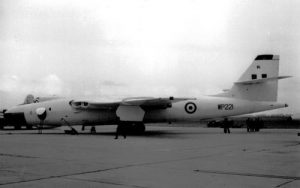
Photo Valiant 37: Vickers Valiant B(PR).1 WP221 of No. 207 Sqn


Photo Valiant 38: Vickers Valiant B(PR).1 WP221 of the Marham Wing


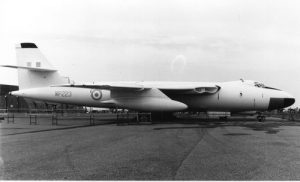
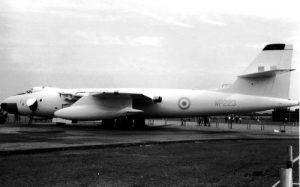
Photo Valiant 39: Vickers Valiant B(PR).1 WP223 of No. 543 Sqn

Photo Valiant 40: As above